Synchronous vs Asynchronous Learning: Pros, Cons and When to Use Each
Quick Summary
Synchronous vs asynchronous learning differs mainly in timing: synchronous training happens live with instructors and peers, while asynchronous training is self-paced and on demand. Synchronous sessions suit discussion, coaching, and immediate feedback; asynchronous courses support flexibility, repetition, and scale. Stanford Teaching Resources defines the distinction as learning together versus accessing materials independently.

synchronous vs asynchronous learning
Synchronous learning is best when students need real-time interaction, coaching, discussion, or immediate support. Asynchronous learning is best when learners need flexibility, repetition, and access anytime. In 2026, many organizations use a blended learning format that combines both approaches.
What is synchronous vs asynchronous learning?
Synchronous and asynchronous learning are two ways to organize training. The main difference is whether students learn together at a set time or complete learning independently.
Synchronous learning is real-time, instructor-led or facilitator-led training. Students and instructors meet at the same time through a classroom, virtual classroom, live workshop, coaching session, or group discussion. Learners can ask questions, practice skills, and receive feedback immediately.
Asynchronous learning is self-paced training completed on demand. Students access courses, quizzes, microlearning, recorded lessons, simulations, and practice activities when it suits their schedule. They can pause, revisit, and repeat content without waiting for an instructor or group.
Asynchronous online learning is training that students complete independently through digital materials, activities, and assessments. It is a common approach in online education because learners can start anytime and study across different schedules.
Synchronous online learning is instructor-led teaching delivered through a digital classroom at an agreed time. Tools such as Zoom, Microsoft Teams, Google Meet, and Webex support synchronous classes, group discussion, and instructor guidance.
Stanford describes synchronous learning as instructors and students gathering at the same time and interacting in real time. Asynchronous learning allows students to access materials at their own pace. (Source: Stanford Teaching Resources)
For professional learners, the choice often depends on the skill being developed. A live coaching session may work well for handling objections or practicing a presentation. An asynchronous course may work better for product knowledge, compliance training, or onboarding basics. Many teams combine both formats in a blended learning path, an approach that became especially visible when classrooms moved online during the COVID-19 pandemic (How COVID Changed Our Classrooms? A Self-Experiment Of Online Teaching).
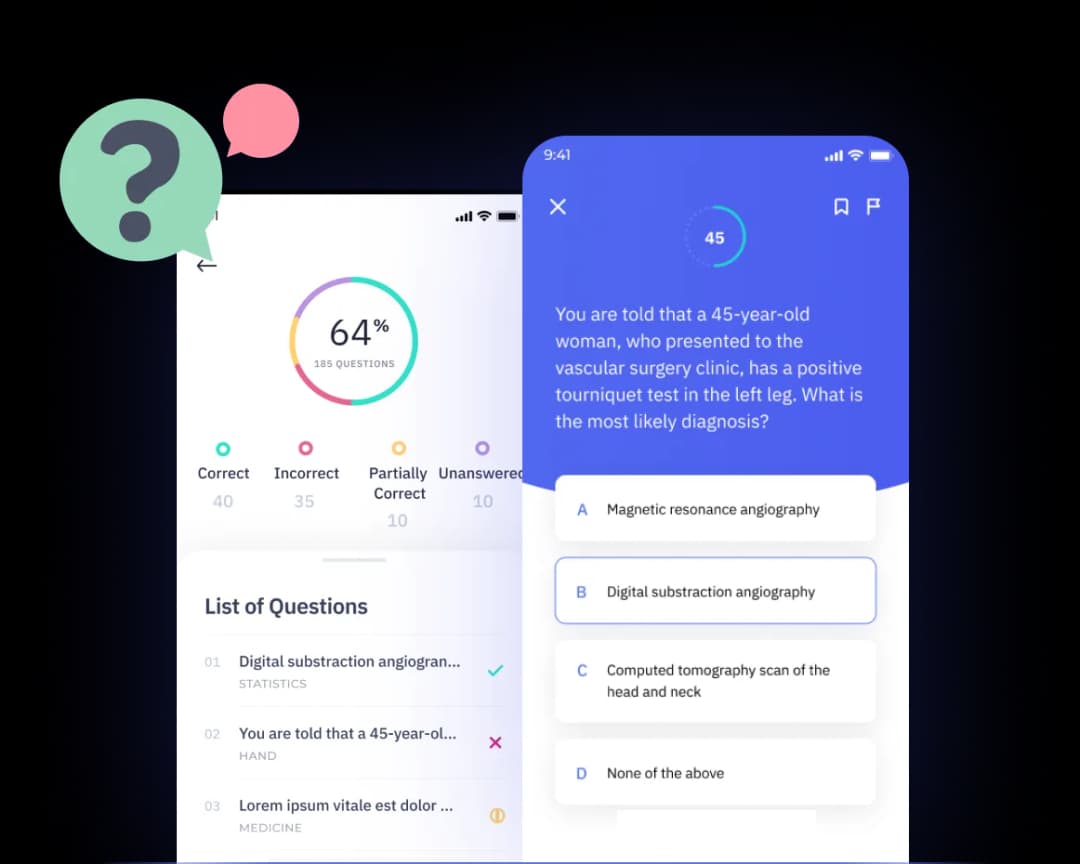
Shiken supports both approaches in one online learning platform. Teams can build interactive courses, quizzes, and microlearning for asynchronous learning. They can also use AI Roleplays & Coaching for guided practice and feedback. Analytics show how students engage, where they struggle, and which skills need more support.
This combination helps L&D teams connect learning with workplace performance. Course creators can offer flexible content while adding interactive practice where learners need it most.
The simplest difference is this: synchronous learning happens live, while asynchronous learning happens on demand.
What do synchronous and asynchronous mean in online education?
The key difference is timing: synchronous classes require shared attendance, while asynchronous classes allow independent completion. In an online class, synchronous online teaching may include a scheduled seminar, whereas asynchronous online teaching may use recordings, discussion boards, and quizzes.
The phrase synchronous asynchronous online describes the broader comparison between these two delivery models. In practice, synchronous asynchronous online programs often combine scheduled sessions with self-paced materials. This synchronous asynchronous approach gives a student both structure and flexibility.
Synchronous vs asynchronous learning: key differences
Synchronous learning happens in real time, with students and facilitators meeting together. Asynchronous learning lets students access lessons, activities, and assessments on their own schedule. Both approaches support effective online learning, but they create different experiences.
The choice between synchronous vs asynchronous learning often depends on timing, interaction, technology, scalability, and content. Synchronous sessions suit live discussion and immediate coaching. Asynchronous learning suits flexible access, repetition, and scalable delivery.
Engagement, feedback, and activity types
Live instruction creates a shared learning moment. Students can ask follow-up questions, compare ideas, and receive immediate guidance. This works well for discussion-based activities, complex demonstrations, and live roleplays. A facilitator can adjust the session when students appear confused.
However, synchronous learning requires everyone to attend at the same time. Students may also have less time to reflect before responding. Large online classes can limit participation, even when the session feels engaging.
Recorded lessons give students more control. They can pause, replay, or review difficult sections. Quizzes provide quick checks for understanding, while asynchronous discussion boards give students time to form thoughtful answers. Yet recorded content alone may feel passive. Without reminders, feedback, or clear deadlines, some students may delay their learning.
Roleplays can work in both formats. Live roleplays offer natural interaction and immediate coaching. Asynchronous roleplays let students practise repeatedly without pressure from peers. AI-powered practice can extend this model by providing feedback whenever students are ready.
Choosing the right approach

The best option depends on the learning objective, audience, subject matter, and available resources. Use synchronous learning when students need collaboration, confidence-building, or expert guidance. Use asynchronous learning when they need flexibility, repetition, or consistent access across locations.
Many strong programs combine both. For example, students might complete an asynchronous lesson and quiz before joining a live workshop. They can then practise a skill synchronously and revisit key points through short online activities.
As the University of Cincinnati explains, a live Zoom lecture supports real-time questions and discussion, while recorded lessons and discussion boards support flexible completion. The most effective learning design matches the format to the outcome.
The best synchronous vs asynchronous learning strategy uses live interaction for connection and practice, and flexible learning for access, repetition, and scale.
How do cognitive load and self-efficacy affect the choice?
Cognitive load is the amount of mental effort required to process information during a learning task. Good design manages cognitive load through clear instructions, short modules, useful examples, and appropriately timed interaction.
Synchronous asynchronous online design should reduce cognitive load by separating explanation from application. Cognitive load can rise when a student must navigate multiple platforms, listen to a fast presentation, and complete an assessment simultaneously. Cognitive load can fall when asynchronous online teaching uses concise videos and predictable navigation.
Self-efficacy is a learner’s belief that they can successfully complete a task. Self-efficacy often improves when a student receives achievable challenges, visible progress, and specific guidance. Synchronous classes can build self-efficacy through encouragement, while asynchronous classes can build self-efficacy through repetition.
A useful design review asks whether cognitive load is appropriate, whether self-efficacy is increasing, and whether the learning outcomes are visible. The student should know what to do, why it matters, and how success will be measured.
In 2026, instructional designers should review cognitive load and self-efficacy across every learning format. A hybrid synchronous class may introduce a difficult concept, while asynchronous online activities can provide lower-pressure repetition. This combination supports cognitive load management and stronger self-efficacy.
Key insight: Use synchronous time for decisions, discussion, and coaching; use asynchronous online materials for explanation, recall, and repetition.
The following design checks help teams manage cognitive load and develop self-efficacy:
- Reduce cognitive load by presenting one concept at a time.
- Build self-efficacy with early wins and practical examples.
- Monitor cognitive load when platforms, instructions, or assessments become complex.
- Improve self-efficacy with clear rubrics and visible progress.
- Use synchronous online teaching when cognitive load requires immediate clarification.
- Use asynchronous online teaching when students need control over pace and repetition.
Cognitive load should be considered when choosing a learning format. Self-efficacy should be considered when choosing the amount of challenge. Cognitive load affects attention, while self-efficacy affects persistence.
A short asynchronous online class can lower cognitive load before a synchronous class. A synchronous online class can then address questions and strengthen self-efficacy. This is one reason hybrid learning works well for complex subjects.
When should teams choose live or self-paced training?
L&D teams often struggle to choose between synchronous and asynchronous learning. Live sessions create focus, discussion, and shared practice. However, they require calendars, facilitators, and reliable online attendance. Asynchronous learning offers flexibility and scale, but students may lose motivation without structure or feedback. The right choice depends on the learning goal, audience, and level of interaction required.
The short answer is simple: choose synchronous learning when people need to discuss, practise, decide, or connect in real time. Choose asynchronous learning when students need consistent information, flexible access, or repeatable practice. In many cases, the strongest approach combines both formats. This blended model gives students live support and self-paced learning resources.
Synchronous learning works best when interaction changes the outcome. Choose live training for:
- Complex discussions that need questions and shared interpretation
- Collaborative workshops and problem-solving activities
- Coaching with real-time feedback
- Onboarding events that build relationships and team alignment
- Sensitive conversations, such as leadership, conduct, or workplace issues
- Active practice where students need immediate guidance
Live online learning usually works best for active practice, real-time feedback, and team alignment. (Source: Synchronous vs Asynchronous Training for Remote Teams)
When asynchronous learning is the better choice
Asynchronous learning works best when the content is stable, repeatable, or easy to practise independently. Choose self-paced learning for:
- Compliance training and policy updates
- Product knowledge and feature education
- Skills refreshers after a live workshop
- Distributed teams working across time zones
- Repeatable onboarding content
- Pre-work and post-training assessments
Asynchronous learning means students access training on their own schedule. They do not need to be online with an instructor or peers. (Source: Asynchronous vs Synchronous Learning: Choosing the Right Model)
Asynchronous classes are often easier for shift workers, caregivers, and global teams because they remove fixed attendance requirements. However, asynchronous classes still need deadlines, reminders, and clear support. Online classes asynchronous by design should not mean unsupported or unstructured.
Shiken supports both synchronous and asynchronous learning without treating them as separate systems. AI Roleplays & Coaching lets students practise realistic customer, patient, or workplace conversations. They receive feedback without requiring a live facilitator for every session. Multi-participant scenarios can also simulate buyer committees or complex professional conversations.
After a live session, the Meeting Recorder can capture the conversation and score it against shared skill rubrics. Shiken Agents can then turn meeting insights into follow-up learning, quizzes, reminders, or targeted practice. This connects synchronous discussion with asynchronous reinforcement.
Use synchronous learning for connection and complexity. Use asynchronous learning for scale and continuity. The best learning strategy combines live interaction with flexible, self-paced practice.
How do online college classes work?
Online college classes work through a mixture of scheduled instruction, digital coursework, assessments, and independent study. Some online college classes use synchronous classes through Zoom, while others use asynchronous online modules in an LMS such as Canvas, Moodle, or Blackboard.
The best learning format works when the course design matches the subject. Students may need synchronous online teaching for laboratory demonstrations or seminars, but asynchronous online teaching may suit readings, quizzes, and research assignments.
As of 2026, online education commonly uses a hybrid model. A student may start anytime with an introductory module, attend a synchronous class for discussion, and complete asynchronous classes for assessment preparation.
Building a blended learning strategy that works
TL;DR: A strong blended learning strategy combines asynchronous preparation, synchronous practice, and ongoing reinforcement. This approach gives students flexibility while protecting valuable live time for discussion, coaching, and feedback.
The best synchronous vs asynchronous learning strategy does not choose one format. It connects both formats around a clear performance goal. Asynchronous learning works well for individual study, while synchronous learning works best for collaboration and live feedback. (Source: Blending Synchronous and Asynchronous)
A practical blended learning journey
A simple learning journey can move students through four stages:
- Prepare with microlearning: Learners review short videos, slides, flashcards, or quizzes online. This gives everyone the same foundation before a workshop.
- Attend a live session: Students use synchronous time for questions, group discussion, demonstrations, and coaching.
- Practice with AI roleplays: Learners apply new skills in realistic conversations. They can repeat scenarios until their confidence improves.
- Reinforce with quizzes: Short asynchronous quizzes test recall over time. Spaced practice helps learners retain knowledge after the session.
This sequence makes each learning activity serve a purpose. Preparation builds knowledge, live sessions develop judgment, roleplays build skill, and quizzes strengthen memory. A learning path can deliver these activities through online channels such as Teams, Slack, SMS, or WhatsApp.
Pre-work also makes synchronous workshops more useful. Instead of explaining basic concepts, facilitators can focus on difficult decisions and real examples. Students arrive with shared context, while trainers gain more time for feedback and discussion.
Post-session activities extend the value of a live event. A learner might complete a quiz, practice a challenging customer conversation, or answer a reflection prompt. These asynchronous activities show whether students can apply the learning without immediate support.
Research on blended course design recommends explaining how each format supports the wider learning plan. Students engage more effectively when they understand why one activity happens live and another happens independently. (Source: 6 Models for Blended Synchronous and Asynchronous Online Course Delivery)
Synchronous asynchronous online programs can use a flipped sequence: asynchronous online preparation first, followed by a hybrid synchronous class. This approach protects facilitator time and gives students more opportunities to prepare.
The learning outcomes should determine the format. If the outcome is recall, an asynchronous online activity may be sufficient. If the outcome is judgment, collaboration, or communication, a synchronous online class may be more effective.
Examples across the organization
For sales onboarding, new hires can complete product microlearning before a synchronous discovery-call workshop. They then use AI roleplays to practise objections and finish with quizzes on messaging, pricing, and qualification.
For manager development, students can study a short lesson on feedback before a live coaching circle. Afterward, they can practise difficult conversations with an AI coach and review their performance.
For customer service training, asynchronous learning can introduce policies and escalation rules. A live session can focus on empathy and judgment, followed by roleplays for upset customers.
For a product launch, teams can complete online product training before a live briefing. Quizzes can confirm knowledge, while roleplays help sales and support teams answer realistic questions.
Analytics should guide the next step. Skill-gap insights can show who needs more coaching, which topics need review, and where additional practice will have the greatest impact. Real conversation data can also reveal whether students apply skills on the job.
The most scalable approach to synchronous vs asynchronous learning is a connected journey: learn independently, practise together, apply repeatedly, and use data to target support.
What are the benefits of a hybrid learning format?
The benefits of a hybrid learning format include flexibility, interaction, scalability, and better alignment between instruction and performance. A hybrid synchronous model uses scheduled sessions for complex discussion and asynchronous materials for preparation and reinforcement.
A hybrid synchronous class can also improve access for students who cannot attend every session. Recordings, transcripts, and asynchronous online activities provide another route to the same learning outcomes.
Synchronous vs asynchronous learning for sales enablement
Sales teams need more than product knowledge. Reps must apply that knowledge during discovery calls, demos, negotiations, and follow-ups. The right blend of live and self-paced learning builds both confidence and consistency.
Synchronous learning happens in real time, while asynchronous learning lets students learn on demand. A strong enablement program uses both formats, based on the skill, urgency, and coaching required.
Where live practice makes the biggest difference
The synchronous vs asynchronous learning decision depends on the outcome. Live sales training works well when reps need immediate guidance. Deal coaching can uncover risks in an active opportunity. Team workshops can align students around new messaging, pricing, or sales processes.
Research from D2L identifies sales roleplay and interpersonal skills as strong uses for live instruction. Real-time learning also helps students ask questions and resolve confusion quickly. (Source: Asynchronous vs Synchronous Learning: Choosing the Right Model)
However, live sessions are difficult to schedule across regions and time zones. They also give each student limited practice time. Voice-enabled AI Roleplays & Coaching solve this gap. Reps can practise discovery calls, objections, pitches, and negotiations whenever they are ready. They can repeat difficult scenarios until their responses improve.
AI roleplays can also simulate different buyer personalities and multiple stakeholders. This gives students more realistic practice than a single scripted exercise. Managers can reserve live coaching for the moments that need judgment and human support.
Turning conversations into targeted learning
Asynchronous learning becomes more valuable when it connects to real sales conversations. Shiken’s Meeting Recorder can capture sales and coaching discussions. Teams can review conversations against the same skill rubrics used in practice roleplays.
That creates a continuous learning cycle:
- A rep completes a roleplay or joins a customer meeting.
- The conversation reveals strengths and skill gaps.
- The rep receives targeted follow-up learning.
- Managers track progress through performance signals.
- Enablement teams export analytics for wider reporting.
This approach helps students move beyond course completion. Enablement leaders can compare learning activity with call quality, objection handling, and other performance indicators. Skill-gap reports show where coaching is needed most.
The best synchronous vs asynchronous learning strategy combines live coaching with flexible practice, real call insights, and measurable follow-up.
Which synchronous learning tools support sales teams?
Synchronous learning tools include Zoom, Microsoft Teams, Google Meet, Miro, and interactive polling platforms. These tools support synchronous classes, workshops, breakout rooms, and coaching.
Asynchronous online teaching tools include Shiken, Moodle, Canvas, Blackboard, Thinkific, and TalentLMS. These platforms support courses, quizzes, reminders, analytics, and learning paths.
How Shiken supports interactive learning at scale
Synchronous vs asynchronous learning is a flexible approach that combines live interaction with self-paced study. Synchronous learning happens in real time, while asynchronous learning fits each learner’s schedule. Students can move between both formats as their needs change. (Source: University of Cincinnati)
Create learning content faster
Shiken helps teams create online learning content without starting from scratch. Its AI-powered tools can turn expertise, documents, and training goals into:
- Courses and learning paths
- Quizzes and assessments
- Microlearning activities
- Voice-powered roleplays
- Coaching workflows
- Interactive training slides
This can reduce production time by up to 70%, helping learning teams publish useful content faster. Teams can also update asynchronous learning materials as products, policies, or processes change.
The platform supports different learning styles in one workflow. Students might study a short lesson asynchronously, practise a customer conversation with an AI roleplay, then join a synchronous coaching session. Voice interaction makes practice feel more natural than selecting answers alone.
Shiken also supports microlearning, learning paths, and spaced repetition. These tools help students revisit key ideas across online learning journeys. Learners can receive activities through channels such as Teams, Slack, SMS, or WhatsApp.
Add practice, feedback, and expert support
Live learning creates connection, but it can be difficult to scale. Shiken extends synchronous learning with voice practice and personalised feedback. Students can practise sales conversations, medical scenarios, presentations, or business English whenever they are ready.
Shiken Agents help learning teams build expert prompts, content workflows, and guided practice. A Knowledge Assistant can support students inside the learning experience. It can answer questions using approved company information and direct learners toward relevant activities.
This creates a stronger link between synchronous and asynchronous learning. Students do not need to wait for the next live session to ask a question or practise a skill.
Measure performance across every format
Shiken brings learning delivery, practice, and measurement together. Real-time analytics show participation, progress, assessment results, and practice performance. Skill-gap insights help teams identify where students need more support.
Teams can export data and connect Shiken with existing LMS and LXP systems. They can compare asynchronous learning activity with synchronous participation and real-world performance. The Meeting Recorder can also capture and score real conversations against the same skill rubrics used in practice.
Shiken makes synchronous vs asynchronous learning measurable by connecting content, practice, feedback, and performance data in one platform.
As of 2026, Shiken can support synchronous asynchronous online pathways that combine AI coaching, interactive assessments, and performance analytics. This lets an L&D team measure both participation and application rather than relying only on completion rates.
Key Takeaways
- Synchronous learning happens at a scheduled time and supports discussion, coaching, and immediate guidance.
- Asynchronous online learning lets students study independently and revisit content at their own pace.
- Synchronous classes are useful for collaboration, complex decisions, and interpersonal skills.
- Asynchronous classes are useful for compliance, product knowledge, onboarding, and distributed teams.
- The key difference is whether learners need shared time or flexible access.
- Cognitive load should guide the amount, pace, and complexity of content.
- Self-efficacy improves when learners receive achievable challenges, clear guidance, and visible progress.
- A hybrid learning format combines synchronous interaction with asynchronous reinforcement.
- In 2026, AI roleplays, analytics, and meeting analysis make blended programs easier to personalize.
- Shiken connects online teaching, practice, assessments, and performance data in one platform.
Frequently asked questions about synchronous and asynchronous learning
What is the main difference between synchronous and asynchronous learning?
Synchronous learning happens in real time, while asynchronous learning lets students learn on their own schedule. Synchronous sessions include live classes, workshops, discussions, or coaching online or in person. Everyone joins at an agreed time and can ask questions immediately.
Asynchronous learning uses recorded lessons, quizzes, reading, and discussion boards. Students complete activities before set deadlines, without attending a live session. The University of Cincinnati confirms that asynchronous online classes offer flexible access, while synchronous classes require attendance at specific times. (Source: University of Cincinnati)
Is synchronous or asynchronous learning better for employee training?
Neither format is always better; the right choice depends on the learning goal, workforce, and available time. Synchronous training works well for complex topics, collaboration, feedback, and urgent changes. It also helps students build relationships with trainers and peers.
Asynchronous learning suits distributed teams, shift workers, and employees who need flexible access. It supports repetition and self-paced practice. Most organizations benefit from combining both approaches. For example, employees can complete an online course first, then join a live workshop to apply their knowledge.
What are the advantages and disadvantages of synchronous learning?
Synchronous learning provides immediate interaction, but it requires everyone to attend at the same time. Live learning makes it easier for trainers to answer questions, demonstrate skills, and adjust explanations. Students can discuss realistic problems and learn from one another.
However, synchronous sessions can be difficult across time zones. They also create scheduling pressure and may move too quickly for some students. A missed session can leave a knowledge gap unless the organization provides a recording. Live training can also cost more because trainers and employees must reserve time together.
What are the advantages and disadvantages of asynchronous learning?
Asynchronous learning offers flexibility and consistency, but it can reduce live interaction and accountability. Students can access online materials when convenient and revisit difficult topics. This format supports busy employees, global teams, and different learning speeds.
The main risks include low completion rates, limited discussion, and delayed feedback. Some students may struggle without guidance or a clear deadline. Strong asynchronous learning uses short lessons, knowledge checks, reminders, and practical activities. Spaced repetition and microlearning can help students remember more over time.
Can synchronous and asynchronous learning be combined?
Yes, combining both formats creates a blended learning experience that balances flexibility with human connection. An organization might begin with asynchronous videos, quizzes, or AI practice. A synchronous workshop can then focus on discussion, problem-solving, and coaching.
After the live session, students can complete a follow-up assessment or practice task. This sequence gives employees preparation, interaction, and reinforcement. The best blend depends on the skill, learner needs, and business goal. Track completion, attendance, confidence, and workplace performance to improve the design.
How can AI roleplays improve asynchronous sales training?
AI roleplays make asynchronous sales training interactive by letting students practise realistic conversations whenever they are ready. Learners can handle objections, discovery calls, negotiations, or product questions without waiting for a trainer or partner.
Shiken AI Roleplays & Coaching can provide feedback against defined skills and rubrics. Multi-avatar scenarios can also simulate a buyer committee, rather than one fictional customer. Students can repeat practice until their performance improves. A meeting recorder can compare practice results with real conversations, creating a stronger connection between learning and performance.
How do you measure the effectiveness of synchronous and asynchronous learning?
Measure learning effectiveness through knowledge, behaviour, engagement, and business results. Start with quiz scores, completion rates, attendance, practice attempts, and learner feedback. These measures show whether students accessed and understood the content.
Then assess behaviour through manager observations, roleplay scores, call quality, or task accuracy. Finally, connect learning to outcomes such as sales conversion, onboarding speed, compliance rates, or fewer support errors. Compare results before and after training when possible. The strongest learning measurement links online activity to improved workplace performance.
The best synchronous vs asynchronous learning strategy combines live connection, flexible practice, and measurable performance improvement.