How Does Axonify Create Learning Content & Assessments?
Quick Summary
Axonify creates learning content and assessments by combining business knowledge, existing training materials, and performance data, then converting them into personalized microlearning, quizzes, and reinforcement activities. Learning teams configure audiences, topics, difficulty, schedules, and success measures, while learner responses and confidence ratings help adjust what appears next through spaced learning.

how does Axonify create learning content and assessments
How does Axonify create learning content and assessments?

How does Axonify create learning content and assessments is a workflow that turns business knowledge, training materials, and performance data into personalized microlearning and knowledge checks.
From business knowledge to learning content
Organizations usually begin by gathering information from subject-matter experts, existing courses, policies, product documents, and standard operating procedures. Performance data can add another layer. This may include survey results, assessment scores, workplace observations, or manager feedback.
These inputs help identify what employees need to know and where performance gaps exist. Learning teams then configure topics, audiences, difficulty levels, delivery schedules, and success measures in the platform.
The typical goal is not to recreate a long course. Instead, large amounts of training content are broken into short lessons, questions, reminders, and practice activities. This microlearning approach makes learning easier to complete during the workday.
Axonify also focuses on personalization. Once the relevant settings are defined, the system can adjust the content shown to each learner. It may change the timing, frequency, or difficulty of activities based on responses and knowledge requirements. (Source: Axonify Microlearning Platform - HR.com)
Reinforcement, quizzes, and assessments
A central part of how does Axonify create learning content and assessments is repeated reinforcement. Employees may receive short learning activities over time, rather than completing one training session and moving on.
This supports spaced learning, which gives people repeated chances to recall and apply key information. The system can use quiz answers and confidence ratings to decide what should appear next.
Questions and assessments serve several purposes:
- Check whether learners understand the content
- Reinforce important facts and behaviors
- Identify topics that need more practice
- Show managers where teams may need support
- Provide data for improving future training
In this model, an incorrect answer does more than reduce a score. It can signal a learning gap and trigger targeted content. The wider workflow can also connect learning activity with coaching and workplace behavior. The Learning Guild describes this as a continuous process involving daily content, manager support, on-the-job behavior, and adjusted learning recommendations. (Source: Toolkit: Axonify Revealed - Learning Guild)
Where human input still matters

Automation does not remove the need for human review. Subject-matter experts should check whether the content is accurate, current, and suitable for the audience. Instructional designers may need to rewrite complex information, improve question quality, or select the right practice format.
Teams also need to configure learning goals, audiences, compliance requirements, and reporting rules. They should review AI-generated or automatically adapted content before broad release, especially for safety, legal, medical, or customer-facing training.
Shiken follows a similar intake-to-learning pattern, while adding AI content creation, interactive quizzes, voice-based practice, coaching, and skills analytics in one workflow. Its learning features can turn company information into courses, microlearning, roleplays, and assessments, then align practice with real performance data.
Axonify creates personalized learning by combining expert knowledge, business data, microlearning, spaced reinforcement, and adaptive assessments, with human review guiding quality and relevance.
Axonify’s content creation and assessment workflow
If you are asking how does Axonify create learning content and assessments, the answer starts with a structured workflow. Teams typically move from business needs to content creation, delivery, and measurement.
Public descriptions suggest that Axonify combines microlearning, assessments, personalization, and reinforcement. Its late-2024 Content Assistant reportedly converts long documents and PDFs into microlearning within seconds. (Source: What is Growth Strategy and Future Prospects of Axonify Company?)
From business need to learning content
The exact setup can vary by organization. However, the workflow likely includes these four stages:
- Teams gather learning objectives, source materials, audience details, business goals, and performance requirements before building training content.
- Learning designers configure microlearning activities, assessment questions, reinforcement schedules, and personalized learning paths around priority knowledge gaps.
- Employees receive recurring learning activities through workflow-friendly experiences, with targeted reinforcement based on participation and assessment results.
- Leaders review participation, assessment performance, knowledge retention, and business outcomes before refining the next learning cycle.
Microlearning means delivering small, focused learning experiences that employees can complete during normal work routines.
This approach helps connect training to specific workplace behaviors. For example, a compliance program might begin with policy documents, then produce short lessons and knowledge checks. A sales program could focus on product knowledge, objection handling, and manager-led coaching.
Axonify’s model also appears designed to support learning within an employee’s existing workflow. One industry overview describes personalized learning, assessments, and reinforcement as central to knowledge retention. (Source: What is the Axonify learning platform?)
Where an AI workflow can extend the process
The key question is not only how does Axonify create learning content and assessments. It is also how teams validate content, align it with skills, and improve performance over time.
An enterprise-friendly workflow should check generated content against approved source materials. It should also connect assessments to role-based skills, business metrics, and real performance evidence.
Shiken supports a broader content workflow across courses, quizzes, voice-powered roleplays, coaching, and microlearning. Teams can use learning paths and spaced repetition to reinforce knowledge across channels.
For example, an organization could turn internal documents into learning content, validate the material with subject experts, and create roleplays for realistic practice. A meeting recorder can then compare real conversations with the same skills used in training.
The strongest workflow connects content creation, assessment, reinforcement, and performance data in one continuous learning system.
What types of learning content and assessments can teams build?
Teams comparing learning platforms often ask, “how does Axonify create learning content and assessments?” The answer matters because content must fit real work. A platform may offer quizzes, but still lack flexible authoring, useful personalization, or integration with existing tools.
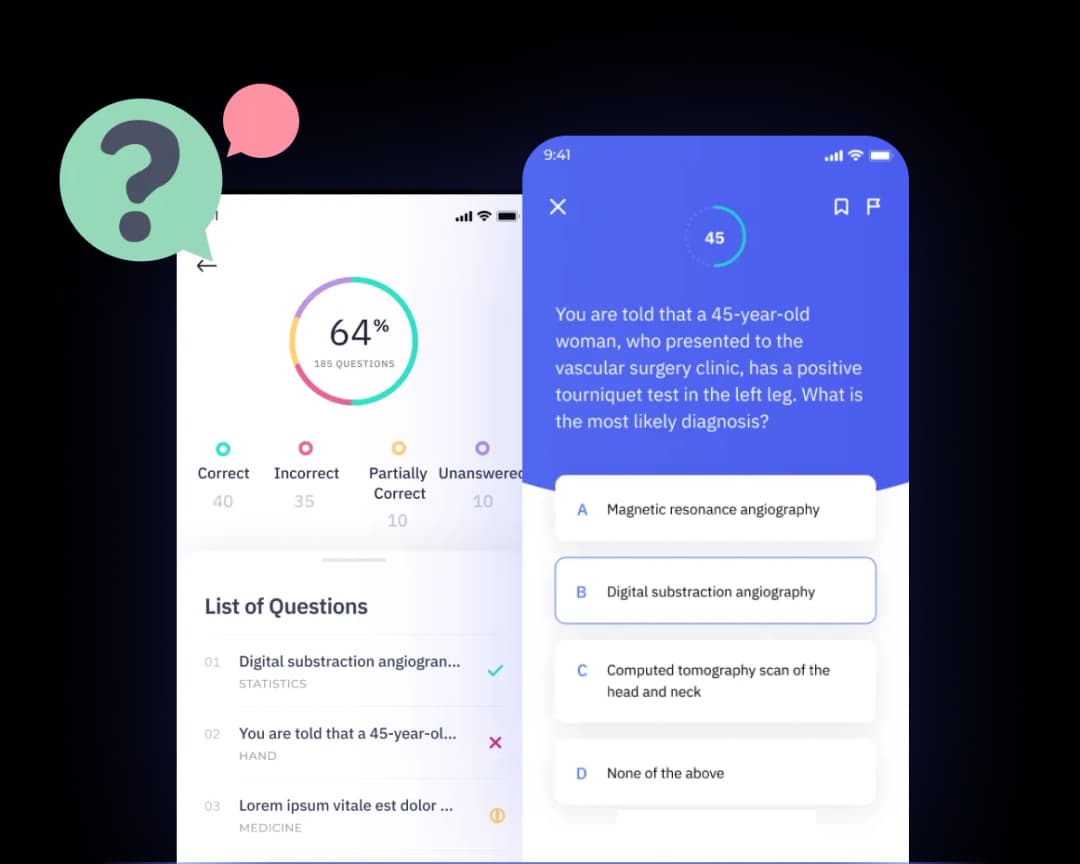
Axonify supports short, focused learning content for product knowledge, compliance, onboarding, procedures, and operational training. Teams can combine microlearning lessons with knowledge checks, quizzes, confidence questions, and reinforcement activities. These formats help learners recall information over time, rather than complete one long course and forget it.
Microlearning is short training designed to teach or reinforce one focused idea. Axonify’s approach uses spaced repetition, interactive questions, and scenario-based activities. This helps break complex topics into manageable learning moments. L&D teams can also review and edit AI-generated content before publishing it. (Source: What Is Axonify? Frontline Enablement Explained)
Content and assessment formats to compare
When assessing how does Axonify create learning content and assessments, review these capabilities:
- Learning lessons: Short modules for onboarding, product updates, compliance, safety, and standard procedures.
- Knowledge checks: Quizzes and question sets that test understanding after each lesson.
- Confidence questions: Prompts that compare what learners know with how confident they feel.
- Reinforcement: Repeated questions and follow-up activities that support long-term recall.
- Personalized paths: Learning assigned according to role, performance, knowledge gaps, and business priorities.
- Operational scenarios: Practice activities that connect training content to decisions made on the job.
The practical details also matter. Check whether the platform supports video, audio, images, documents, branching scenarios, and interactive content. Review its authoring tools, accessibility controls, language options, localization workflow, reporting, and integrations with your LMS or LXP.
Axonify may suit teams that want structured frontline training with frequent reinforcement. Other platforms may offer broader content creation tools or richer practice experiences. For example, Shiken combines AI-generated courses, microlearning, quizzes, voice-powered roleplays, coaching, and analytics. Its learning features can also deliver training through channels such as Teams, Slack, SMS, and WhatsApp.
The best platform connects flexible content, practical assessments, personalization, and delivery tools around measurable workplace skills.
Where Shiken adds a more enterprise-ready AI workflow
TL;DR: How does Axonify create learning content and assessments? It typically starts with business knowledge and turns it into structured learning experiences, practice, and assessments. Shiken adds a more controlled AI workflow by combining intake, generation, expert validation, and performance alignment in one platform.
The key difference is workflow depth. While Axonify focuses on helping teams deliver learning content and reinforce knowledge, Shiken helps teams manage the full journey from business need to measurable skill improvement.
1. Start with structured intake
When teams ask, how does Axonify create learning content and assessments, they are often asking how business information becomes usable training. The quality of that output depends on the quality of the initial brief.
Shiken starts by structuring the intake process. Teams can define:
- Business goals and success measures
- Target audience and learner context
- Source material and approved knowledge
- Required skills and behaviors
- Desired learner outcomes
- Relevant sales, service, compliance, or operational scenarios
This approach gives AI clearer boundaries before it creates content. It also helps learning teams reduce irrelevant material, inconsistent terminology, and unsupported claims.
A structured intake is especially useful for enterprise training. Different regions, roles, and departments may need different examples. Shiken can use the same source knowledge while adapting activities to each audience.
2. Generate learning and practice from one platform
Shiken can generate courses, quizzes, microlearning, and AI Roleplays & Coaching activities from a shared content foundation. Teams can also create coaching workflows that guide learners before, during, and after practice.
This reduces the need to move between separate authoring tools, assessment tools, and coaching systems. Shiken’s learning features support learning paths, spaced repetition, and ongoing reinforcement across multiple channels.
The platform can also support voice-enabled practice. For example, a sales team could study a product course, complete a short quiz, practice a difficult objection with an AI customer, and receive coaching on the same skill.
This creates a connected workflow rather than isolated training events. The same content can support knowledge checks, realistic practice, and manager-led coaching.
3. Validate with subject-matter experts
AI can speed up content creation, but experts still need control. Shiken keeps subject-matter experts involved through review, practice, feedback, and iterative improvements before wider rollout.
A compliance expert might check policy language. A sales leader might review objection-handling scenarios. A service manager might test whether an AI roleplay reflects real customer conversations.
This review process helps teams improve accuracy and relevance. It also creates a feedback loop: experts refine the content, learners practice it, and performance data informs the next version.
4. Align training with business performance
The answer to how does Axonify create learning content and assessments often centers on reinforcing knowledge. Shiken extends that model by connecting learning content with skills and operational outcomes.
Teams can use analytics and skill-gap insights to identify where learners struggle. Those insights can guide new microlearning, targeted assessments, coaching workflows, or AI Roleplays & Coaching activities.
For example, a revenue team could connect training to discovery skills, conversion rates, and call quality. A service team could connect learning to resolution quality and customer experience. A compliance team could connect assessments to policy readiness.
The clearest takeaway is this: Shiken turns AI-assisted training into a controlled enterprise workflow, from structured intake and content generation to expert validation and performance alignment.
Axonify vs Shiken for AI-powered content and assessment creation
When leaders ask, “how does Axonify create learning content and assessments,” they usually want to understand the full workflow. This includes content intake, AI generation, assessment design, learner delivery, and reporting.
Axonify is strongest for employee microlearning, reinforcement, personalization, and large enterprise engagement programs. Shiken focuses on AI-assisted authoring, interactive assessment, practice, coaching, and workplace performance.
Where each platform fits best
Axonify works well when the main goal is building consistent employee learning habits. Its approach supports short learning activities, reinforcement, personalization, and broad engagement. This can suit compliance, onboarding, product knowledge, and large workforce programs.
Shiken broadens the workflow beyond knowledge recall. Its AI-powered tools can turn source material into learning content, then connect that content to interactive quizzes, roleplays, and coaching. AI-assisted authoring means using AI to create a first draft that people can review, edit, and approve.
For leaders comparing how does Axonify create learning content and assessments with a more performance-focused model, the key difference is practice. Shiken’s voice-enabled AI Roleplays & Coaching lets learners rehearse sales calls, customer conversations, leadership discussions, or other workplace situations.
Connecting learning to real work
Shiken’s Meeting Recorder can capture and score real conversations against the same skill rubrics used in practice. Teams can use Meeting Recorder to compare simulated performance with workplace behavior.
Practice this call creates a direct bridge between learning and an upcoming meeting. Shiken Agents can also provide always-on support in Teams, Slack, or a website widget. These agents can answer questions, guide workflows, and reinforce company knowledge.
This creates a more connected process for how does Axonify create learning content and assessments. Teams can collect requirements, generate content, validate accuracy, align assessments to skills, and track performance in one learning workflow.
Axonify may be the better fit for established microlearning and reinforcement programs. Shiken may fit better when teams need faster creation, deeper learner practice, real-conversation analysis, and integrated performance reporting.
Bottom line: Axonify reinforces employee knowledge at scale, while Shiken connects AI-created learning with practice, coaching, and measurable workplace performance.
How to choose the right platform for creating learning content and assessments
A learning content and assessment platform is a system that helps teams turn knowledge into training, practice, measurement, and improved workplace performance.
When asking, “how does Axonify create learning content and assessments?”, start with the outcome you need. The best platform depends on whether you want to improve:
- Knowledge retention
- Frontline training adoption
- Sales readiness
- Compliance completion
- New-hire onboarding
- Observable skill improvement
Axonify is known for short, focused training sessions that target individual knowledge gaps. (Source: Axonify Review 2026: Pricing, Features, Pros & Cons, Ratings & More) That approach may suit businesses focused on repeated knowledge checks and frontline engagement.
Other platforms may offer stronger tools for practice, coaching, content creation, or performance analytics. Compare the full learning workflow, not just the quiz features.
1. Review the complete content workflow
Ask whether the platform supports every stage:
- Content intake from documents, slides, videos, or company systems
- AI-generated courses, quizzes, and assessments
- Human review and approval
- Learning delivery through web, mobile, email, or workplace tools
- Coaching and practice
- Reporting, skill analysis, and content updates
This helps answer how does Axonify create learning content and assessments in practical terms. It also reveals where your team may need separate tools or manual work.
Shiken brings these steps into one AI-powered workflow. Teams can create courses, microlearning, quizzes, AI roleplays, and coaching activities from existing knowledge. A central AI agent can use company data and learner progress to identify gaps, then suggest content to address them.
Look for delivery features that match your workplace. These might include learning paths, spaced repetition, SMS, WhatsApp, Teams, or Slack. Delivery matters because even high-quality content fails when employees cannot access it easily.
2. Test assessment quality and business fit
Do not judge a platform by its number of question templates. Check whether assessments measure real understanding and job performance.
Look for:
- Multiple question types and useful feedback
- Adaptive difficulty and knowledge-gap targeting
- Branching scenarios
- Realistic voice or text roleplay
- Coaching after each attempt
- Human approval controls
- Rubrics that align with business skills
- Evidence of improvement over time
For sales or customer-facing training, realistic practice may matter more than basic recall. Shiken supports multi-avatar AI roleplays, allowing learners to practise with buyer committees or multi-person scenarios. Its Meeting Recorder can also score real conversations against the same skill rubrics used in practice.
3. Check scale, governance, and data access
Before choosing Axonify, Shiken, or another platform, confirm its integration and administration features. Check single sign-on, HRIS or LMS connections, permissions, regional content control, language support, and data export.
Also ask whether subject experts can review AI-generated content before publishing. Strong governance reduces inaccurate training and protects compliance.
The right platform connects AI content creation, trusted assessments, delivery, coaching, and analytics around the outcome your organisation needs.
Frequently asked questions about Axonify content and assessments
How does Axonify create learning content and assessments?
Axonify creates learning content by combining source materials, microlearning, personalization, and assessment data. Teams can provide documents, policies, product information, or other training resources. Axonify then turns key information into short learning activities, knowledge checks, and workplace guidance. Learners receive bite-sized content based on their role and knowledge needs. This approach supports regular practice instead of one-time training events. Managers can also receive insights that support coaching. Microlearning means delivering small learning activities over time, often with repeated questions and feedback. The Learning Guild describes Axonify as an interconnected system for knowledge growth, behavior change, and performance improvement. (Source: Toolkit: Axonify Revealed)
Does Axonify use AI to generate training content and quiz questions?
Yes, Axonify uses AI tools to help generate training content and quiz questions from uploaded materials. Its Co-Creator workflow can analyze a document, such as a compliance policy or product guide, and identify important information. It can then support the creation of learning activities and assessments. However, AI-generated content still needs human review. Subject-matter experts should check accuracy, tone, difficulty, and alignment with business goals before publishing. This review step helps prevent unclear questions or incorrect answers. The process is similar to other AI authoring tools, but Axonify focuses strongly on employee retention and frontline training. (Source: What Is Axonify? Frontline Enablement Explained)
Can Axonify personalize learning content for different employees or roles?
Axonify can personalize learning content by using employee roles, knowledge requirements, performance data, and learning progress. For example, a new employee may receive foundational training, while an experienced worker receives advanced scenarios or refreshers. The platform can also adjust content delivery based on answers and demonstrated knowledge. This helps avoid giving every employee the same training at the same time. Personalization can improve relevance and engagement, especially in large frontline workforces. Still, teams need clear role data and well-designed learning objectives. Personalization works best when content, assessments, and workplace performance signals connect in one system.
How does Axonify measure knowledge retention and identify skill gaps?
Axonify measures knowledge retention through repeated assessments, learner responses, progress data, and performance signals. Its microlearning model uses frequent knowledge checks rather than relying only on a final test. Over time, results can show which topics employees remember and which concepts need reinforcement. Managers may also use performance information to identify behavior or skill gaps. The platform can then adjust or recommend future learning content. Research about Axonify highlights this continuous cycle of assessment, coaching, workplace observation, and content adjustment. (Source: Toolkit: Axonify Revealed) UMU also describes Axonify’s analytics as tools for tracking progress and improving training. (Source: What is the Axonify learning platform?)
Can teams review and edit AI-generated learning content before publishing it?
Yes, teams should review and edit AI-generated learning content before publishing it. AI can speed up drafting, but it may miss context, create weak distractor answers, or misunderstand company terminology. Reviewers can correct facts, adjust reading levels, add role-specific examples, and confirm assessment scoring. A strong workflow includes four steps: intake, generation, validation, and alignment. Shiken follows this model across quizzes, courses, AI roleplays, and coaching activities. Its tools help teams turn existing knowledge into interactive training while keeping experts involved in approval. This balance gives organizations faster content production without removing human quality control.
How does Shiken compare with Axonify for interactive assessments and AI roleplay practice?
Shiken extends assessment beyond recall questions by combining interactive learning, AI roleplays, coaching, and performance analytics. Axonify is well suited to personalized microlearning, retention practice, and frontline knowledge reinforcement. Shiken adds voice-powered scenarios where learners practice conversations with AI. Its multi-avatar roleplays can simulate a buyer committee or a complex medical discussion, rather than only a one-to-one exchange. Shiken can also connect courses, microlearning, meeting recordings, coaching results, and skill analytics. A meeting recorder can score real conversations against the same rubrics used in practice. The key difference is linking knowledge checks with realistic performance practice and workplace evidence.
In short, how does Axonify create learning content and assessments? It uses AI-assisted authoring, personalized delivery, and repeated assessments, while Shiken connects content creation with roleplay, coaching, meetings, and performance data.