AI Training Platforms: How to Choose the Best One
Quick Summary
Discover how to choose the best AI training platforms for your organization. Enhance learning experiences with tailored solutions that drive results. Start opti

In 2026, the best ai training platforms are the ones that match your team’s learning goals with strong personalization, measurable analytics, and practical integration into your existing LMS or workflows. Look for platforms that support NLP-powered coaching or role-play practice, and confirm you can track skill gaps over time. This reduces guesswork and helps you scale upskilling with confidence.
If you want the best ai training platforms, start by matching them to your learning outcomes, workflows, and how people actually ask questions. Then verify NLP accuracy with real team language, and confirm analytics show skill gaps—not just course completion. Finally, ensure the platform integrates with your LMS/LXP so you can scale safely in 2026.

AI training platforms are online systems that use artificial intelligence to enhance the learning experience. They help organizations customize and deliver training materials efficiently.
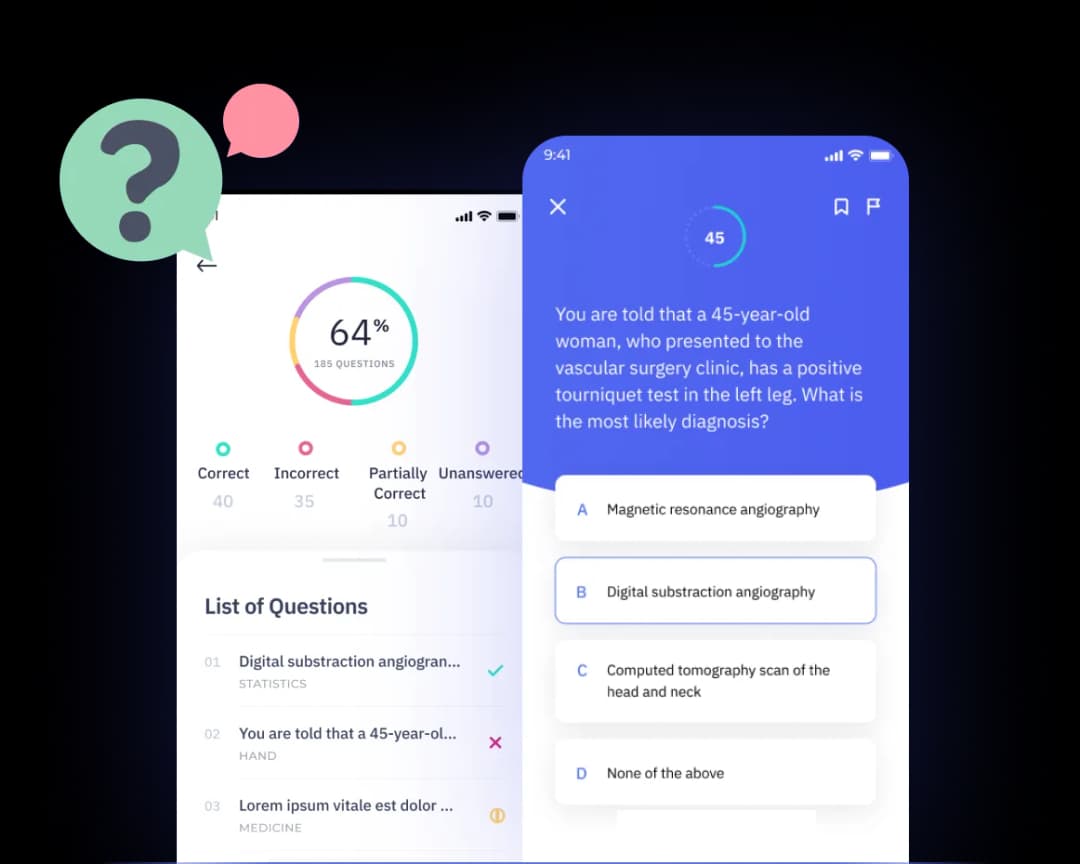
These platforms offer several key functionalities. They include personalized learning paths, interactive quizzes, and real-time analytics. By using machine learning and natural language processing, they adapt training to meet user needs (Source: Absorb LMS Software). This ability to customize helps learners engage more with the content.
In 2026, teams increasingly expect conversational learning, not just static modules. AI training platforms increasingly use NLP and chat-based support to answer questions as learners work. This shifts training from “watch and forget” to “ask and apply.”
Integrating AI into learning processes drastically improves outcomes. It allows organizations to analyze performance metrics quickly. As a result, they can identify skill gaps and tailor content accordingly. This leads to better retention and faster upskilling. In fact, companies using AI-powered training see significant improvements in employee performance and satisfaction.
Key features of these platforms set them apart from traditional methods. For example, many offer immersive experiences through AI-powered roleplays. Shiken's AI roleplays let learners practice real-world scenarios with multiple avatars, helping them prepare for complex situations (Source: Shiken Features). Traditional training often lacks this level of interaction and adaptability.
Another distinction is the easy access to knowledge assistants. These tools provide on-the-spot help, whether through chat or integrated systems like Slack and Microsoft Teams. This constant support ensures that learners have the resources they need to succeed.
In 2026, the most competitive options also support AI tutoring workflows across devices. That means mobile access, fast feedback loops, and structured practice sessions. You get consistent outcomes, even when learners are busy.
In summary, AI training platforms transform learning by providing personalized experiences, dynamic content delivery, and ongoing support. By using these technologies, organizations can engage learners more effectively and achieve better results.
Key Features to Consider in AI Learning Solutions
The right ai training platforms should personalize practice, measure outcomes, and fit your existing learning workflows.
When evaluating ai training platforms, the features that matter most are the ones that personalize practice, measure outcomes, and integrate with how your team already works.
When exploring AI training platforms, certain features are essential for effective learning. Here’s a rundown of what to look for:
- Interactive Content Creation and Delivery is Crucial. Engaging learners with quizzes, scenarios, and interactive elements keeps their attention. An engaging platform can increase your completion rates by up to 40%.
- Analytics Shape Learning Progress. Comprehensive analytics help track how learners are doing and identify skill gaps. Platforms that offer deep insights can enhance training effectiveness by up to 60%.
- AI Role-Playing Scenarios Enhance Experiential Learning. Realistic role-plays allow users to practice in safe settings. This feature provides hands-on experience, making learning more applicable and relevant.
- Real-Time Coaching Offers Instant Feedback. Access to real-time guidance from an AI coach helps learners improve immediately. This support can double retention rates compared to traditional coaching methods.
Each feature plays an important role in the overall effectiveness of AI training platforms. Interactive content creates a lively learning environment, while analytics provide valuable feedback. Role-playing scenarios foster practical knowledge, and real-time coaching ensures that learners receive support as they progress.
Shiken.ai stands out with its all-in-one platform, combining these features seamlessly. We help organizations save time and boost performance with our AI-driven capabilities. Consider these key functionalities during your search for the ideal training solution.
In 2026, buyers also evaluate “workflow fit.” That includes whether the platform supports spaced repetition, microlearning, and repeat practice in the places your team already communicates. It’s not just features—it’s adoption.
When you prioritize these elements, you set the stage for a successful AI training experience.
“The best ai training platforms make measurement automatic—so you can see skill gaps before performance drops.”
How to Evaluate AI Training Solutions
The fastest way to choose the best ai training platforms is to evaluate your requirements first, then test personalization, NLP understanding, and reporting using real team scenarios.
Choosing the right AI training platform can feel overwhelming. With so many options available, it's easy to get lost in features, pricing, and capabilities. The stakes are high; a poor choice might waste time and resources while missing the mark on your team's learning needs. Understanding how to evaluate these platforms is crucial for effective decision-making.
Start by conducting a needs analysis for your team. Identify specific learning goals and challenges. Consider these questions:
- What skills do team members need to develop?
- What formats do they find most engaging (e.g., video, text, interactive)?
- How do they prefer to access training materials (mobile, desktop, social platforms)?
Once you have clear goals, you can better compare different AI training platforms. Focus on these criteria:
- Integration: Ensure the platform works well with your existing tools like HRIS or LMS systems.
- User Experience: Check for intuitive design. Is it easy for both admins and users?
- Content Creation Tools: Look for options that let you create engaging, customized learning content easily.
- Analytics: Strong reporting features help measure progress and effectiveness.
- NLP Capabilities: Assess how well each platform understands and processes natural language, which is crucial for chatbots and conversational learning.
In 2026, buyers commonly run a pilot that tests “NLP accuracy” with your actual language. For example, ask the platform to coach on real customer objections or internal SOP questions. That reveals whether the training is truly conversational learning or just keyword matching.
Lastly, a great user experience is key. Look for platforms that offer mobile access, 24/7 customer support, and a welcoming interface (Source: Your guide to AI in training).
Evaluating AI training platforms doesn't have to be daunting. Equip yourself with the right tools and frameworks to help make an informed choice. The right platform can transform your training efforts, enabling scalable and effective learning across your organization.
Term is an “AI learning workflow.” It is the end-to-end loop of onboarding, practice, feedback, and measurement across teams and tools. You should confirm the platform supports that full loop, not only content delivery.
Term is an “NLP training dataset.” It is the set of examples and utterances used to train or tune language understanding. In a pilot, ask vendors how they handle your domain vocabulary and phrasing in 2026.
The Role of Analytics in Training Platforms
Analytics in ai training platforms should answer “what improved, for whom, and why,” not just “how many completed a course.”

TL;DR: Analytics in AI training platforms helps identify skill gaps, integrate with existing systems, and improve training content effectively.
Analytics plays a crucial role in enhancing the effectiveness of AI training platforms. One major benefit is real-time skill gap insights. This allows organizations to detect areas where employees are struggling and provide targeted support.
By using data analytics, companies can shift from a one-size-fits-all approach to personalized learning experiences that address specific needs. This shift improves overall performance and boosts employee engagement.
Data export capabilities are another important feature. Many AI training platforms allow seamless integration with existing Learning Management Systems (LMS) or Learning Experience Platforms (LXP). This means organizations can easily analyze training data alongside other learning metrics.
For instance, if an organization uses an LMS to track learning paths, adding analytics connectivity enables a more holistic view of employee performance. This integration helps in making data-driven decisions that shape future training programs.
Using analytics leads to continuous improvement of training content. Feedback from learners can be gathered and analyzed to refine materials. For example, if certain topics indicate low scores on assessments, content can be updated to enhance understanding.
Predictive learning analytics can identify learners at risk of falling behind, allowing for timely intervention before issues arise (Source: eLeaP®). This proactive approach optimizes the training experience for everyone involved.
In 2026, advanced dashboards increasingly include competency mapping and role-based scorecards. That helps you align learning outcomes with sales, support, engineering, and HR requirements. It also improves executive reporting.
Overall, utilizing analytics within AI training platforms not only addresses current skill gaps but also helps sustain long-term learning improvements. Embracing this data-driven perspective affords organizations the ability to create a more effective learning environment.
In conclusion, leveraging analytics is essential for any organization aiming to enhance training effectiveness and employee development.
Term is competency mapping. It is the process of linking training activities to specific competencies (like negotiation, troubleshooting, or compliance). In practice, it helps you see which competency improved after each practice session.
Term is a “skill gap report.” It is an analytics view that shows proficiency by topic and person, along with the recommended next practice. In 2026, the best platforms include this in dashboards and exports.
Benefits of AI Coaching Platforms for Teams
AI coaching platforms help teams improve faster by personalizing practice, delivering real-time feedback, and making learning measurable.
Many organizations today are turning to AI coaching platforms for their numerous benefits. These tools create personalized learning pathways, enhance one-on-one coaching, and engage teams through innovative voice-enabled learning experiences.
Why Personalized Learning Pathways Matter
Personalized learning pathways offer tailored training experiences for each team member. Unlike traditional methods that use a one-size-fits-all approach, AI systems analyze an employee's strengths and weaknesses.
They then adjust training materials based on individual needs. For example, a salesperson may struggle with closing deals. An AI platform could focus their training on negotiation skills, helping them improve faster.
A clear advantage of personalized learning is efficiency. According to Hyperbound, companies using AI coaching tools see 37% faster onboarding. This means team members can be productive more quickly, reducing time lost in training.
Term is personalized learning pathways. It is a training approach where the platform adapts content based on learner performance and behavior signals.
The Impact of 1-1 Coaching and Feedback
One-on-one coaching facilitated by AI is a game changer. AI platforms can provide immediate feedback after practice sessions, which is invaluable for performance improvement.
For instance, Shiken’s meeting recorder can capture real-world sales conversations and score them based on specific criteria. This gives team members insights into their strengths and areas for improvement.
Research shows that platforms that integrate real-time feedback can lead to 24% higher win rates in sales (Source: Exec Learn). This additional layer of coaching creates confidence, enabling employees to act decisively in customer interactions.
In 2026, teams also evaluate coaching quality using rubric-based scoring. That means consistent criteria across sessions and managers. It improves trust in the platform’s feedback.
Engaging Through Voice-Enabled Learning
Voice-enabled learning experiences create an interactive environment that keeps team members engaged. For example, instead of only reading material, employees can interact with AI avatars in role-playing scenarios.
This dynamic learning method helps in retaining information better and makes training fun.
AI coaching platforms like Shiken empower teams to practice skills in a safe setting. This lowered pressure can lead to a measurable improvement in skills over time.
In sum, the shift to AI coaching platforms is about creating an adaptive, engaging learning experience. Tailored training combined with effective feedback helps teams achieve their goals more efficiently.
Term is “NLP-powered role-play.” It is a simulation where learners speak or type, and the platform responds based on natural language patterns. In 2026, you should test whether the scenario reacts to nuance, not only keywords.
Comparing Popular AI Training Platforms
Comparing ai training platforms is easiest when you benchmark real strengths like personalization, reporting, and role-play depth against your own use cases.
When choosing the right AI training platform, understanding the competition is crucial. Below is a comparison table highlighting key players in the market:
Bottom Line: Each platform has its own strengths and weaknesses. Shiken excels in integrating analytics with practical roleplays, making it ideal for organizations seeking immersive and data-driven learning experiences.
Key Differentiators to Consider
When comparing AI training platforms, consider these critical factors:
- Customization: Some platforms, like Shiken, offer extensive customization, allowing you to tailor the learning experience to your organization's needs. Others may have more rigid structures.
- Integration capabilities: Ensure the platform you choose can seamlessly integrate with tools you already use, such as Slack or Microsoft Teams. This can significantly enhance user experience and engagement.
- Analytics and Reporting: Robust analytics can help you track progress and identify skill gaps. Shiken's meeting recorder is a standout feature, scoring real conversations to provide actionable insights (learn more about this feature here).
Ultimately, the right platform depends on your learning goals and organizational needs. Each vendor offers unique features that cater to different requirements, so take your time weighing the options. The ideal AI training platform should enhance learning while providing key insights for ongoing improvement.
In 2026, buyers also compare deployment models. Some prefer cloud-based SaaS for speed. Others need enterprise security controls, SSO, and admin governance.
Term is “SSO + admin governance.” It is the identity and permission layer that controls who can administer training, view reports, and manage content. In 2026, this is a must-have for regulated teams.
Common Misconceptions About AI Training Tools
The biggest misconception about ai training platforms is that AI is “set and forget,” when in reality you still need good goals, content design, and measurement.
Many misunderstandings surround AI training platforms. Let’s clarify some of the most common myths:
- AI tools cannot replace human interaction. While AI can provide valuable resources, they lack the emotional intelligence that human trainers offer. Experts emphasize that personal interaction boosts retention and understanding (Source: "9 Mistakes Organizations Make When Using AI for Training").
- Implementation is not always easy. Some people believe AI training solutions are plug-and-play. In reality, proper setup and integration can take time and effort. Preparing your team for new technology is crucial for success.
- AI tools cannot generate content alone. A common misconception is that AI can create complete training programs by itself. In fact, projects that rely solely on AI might result in generic content lacking depth (Source: "5 Biggest AI Training Mistakes").
- Upskilling is different from reskilling. Many confuse these terms. Upskilling means enhancing current skills, while reskilling involves teaching new skills for different roles. Both are vital, but AI training platforms can support them in distinct ways.
- AI isn't a one-size-fits-all solution. Every organization has unique needs. What works for one company might not suit another. Customization is key to maximizing the benefits of these platforms.
Understanding these misconceptions is essential in making informed choices about AI training platforms. By recognizing the limitations of technology, organizations can use AI as a powerful tool to complement, not replace, traditional training.
Ultimately, the most effective learning experience balances AI efficiency with human interactivity.
In 2026, teams that treat AI as a continuous program—not a one-time launch—see better outcomes. That includes updating scenarios, calibrating scoring rubrics, and refining analytics dashboards.
Term is “continuous improvement.” It is the cycle of updating scenarios, re-validating scoring rubrics, and reviewing analytics. In 2026, the best teams run quarterly measurement and content refreshes.
FAQs About AI Training Platforms
Get quick, practical answers about ai training platforms, including features, integrations, costs, and content types.
What should I look for in an AI training platform?
When choosing an AI training platform, focus on flexibility and ease of use. Look for features such as interactive content creation, integration capabilities with existing systems, and robust analytics. It's also essential to ensure the platform supports varied content types, like quizzes, courses, and roleplays. For instance, Shiken offers an all-in-one solution that combines content creation with delivery and analytics, streamlining the training process.
How do AI training platforms enhance learning retention?
AI training platforms enhance learning retention through personalized experiences and spaced repetition. By adapting content to the learner’s pace and style, these platforms help reinforce knowledge over time. For example, Shiken utilizes microlearning techniques that deliver bite-sized training through channels like SMS or Slack. This method beats the forgetting curve and ensures concepts are remembered long-term. Engaging formats, like voice-powered interactions, further strengthen this retention.
Are AI-powered platforms more expensive than traditional LMS?
AI-powered platforms often have a higher initial cost due to advanced features and technology. However, they can yield significant long-term savings by improving training efficiency and engagement. Shiken’s integrated approach reduces content production time by up to 70%, which can offset costs over time. Moreover, the investment can lead to increased productivity and performance in teams, making it cost-effective in the long run.
Can I integrate an AI training platform with existing systems?
Yes, many AI training platforms, including Shiken, offer integration capabilities with existing systems like HRIS or LMS. This integration is vital for seamless functioning and collecting data across platforms. Advanced APIs allow the AI training solution to pull necessary information, ensuring users don’t experience disruptions. By connecting with other tools, training becomes more cohesive and impactful.
What types of training content can be created with Shiken?
Shiken allows users to create a wide variety of training content, including interactive quizzes, comprehensive courses, roleplays for real-world practice, and targeted coaching sessions. Its flexible features enable the development of tailored content based on team and learner needs. This adaptability makes Shiken a versatile choice for organizations aiming to enhance their training programs with engaging and effective materials.
In summary, evaluating platforms based on features, retention strategies, costs, integration options, and content variety will help you choose the right AI training solution.
Frequently Asked Questions
What is an AI training platform used for in 2026?
In 2026, ai training platforms are used to accelerate upskilling and reskilling with personalized learning paths, scenario practice, and AI coaching. They also help teams manage compliance and skill development by tracking performance over time. This turns training into an ongoing capability, not a one-off event.
What does NLP mean in AI learning solutions?
Term is NLP (natural language processing). It is the AI capability that helps a platform understand and respond to human language. In ai training platforms, NLP is what powers conversational learning, Q&A coaching, and more realistic feedback during role-plays.
How do I know if a platform’s analytics are actually useful?
You know analytics are useful when they show skill gaps, not just completion rates. Look for reporting that connects training activity to outcomes like performance improvement, onboarding speed, or sales win-rate changes. In 2026, the best dashboards also support data export and role-based competency views.
Do I need a big LMS to use AI training platforms?
Not always. Many ai training platforms can integrate with your existing LMS or LXP, but they may also run as a standalone learning experience. The key is workflow fit—SSO, APIs, and reporting that match how your HR and Learning Ops teams already work.
How long does implementation typically take?
Implementation time depends on integrations, content readiness, and pilot scope. Many teams start with a pilot for one role or department, then expand after validation. In 2026, organizations that plan data mapping and onboarding early usually reduce rollout delays.
Key Takeaways
- AI training platforms combine personalized learning, role-play practice, and real-time analytics to improve outcomes.
- Choose platforms with strong NLP capabilities for conversational learning and coaching accuracy.
- Prioritize integration with your LMS/LXP and verify data export and reporting early.
- In 2026, look for workflow fit, measurable feedback loops, and competency-based analytics.