Sales Training Methodology: Key Techniques for Success
Quick Summary
Discover effective sales training methodologies that empower teams to enhance their skills, close deals, and adapt to customer demands. Transform your sales str

Understanding Sales Training Methodologies

Sales training methodologies are structured approaches that guide how sales teams learn and apply their skills. These methodologies help teams enhance their selling techniques, build relationships, and close deals effectively.
Choosing the right methodology for your team is crucial. Each team has unique challenges, and the right training can address these needs. A solid training approach prepares salespeople to navigate complex sales environments while adapting to customers' demands.
Traditional vs. Modern Sales Approaches
There are two main categories of sales training methodologies: traditional and modern.
Traditional methodologies, like the Challenger Sale and Consultative Selling, emphasize fundamental sales processes. These approaches often focus on teaching established techniques and strategies that have been effective over the years.
On the other hand, modern methodologies leverage technology and emphasize adaptability. Techniques such as MEDDICC (which stands for Metrics, Economic Buyer, Decision Criteria, and more) focus on understanding customer needs in depth. These methods help salespeople act as advisors, tailoring solutions for their clients (Source: Salesforce).
Sales training should evolve with market demands. As the landscape changes, salespeople must learn new skills to remain competitive.
"Selecting the right sales training methodology can transform your team's performance and enhance customer relationships."
Exploring Effective Sales Training Techniques
Sales training methodologies involve various techniques designed to boost overall sales performance. Here are three effective approaches worth considering:
- Role-playing provides a safe environment for practice. This technique allows salespeople to engage in realistic selling scenarios. Studies show that role-playing can improve retention rates by up to 70% (Source: Salesmotion). Engaging in these setups makes learning more practical and memorable.
- Coaching and feedback are keys to continuous improvement. Providing immediate feedback during training helps salespeople refine their skills. A report reveals that 75% of effective sales teams use ongoing coaching to enhance performance (Source: Richardson). This approach creates a culture of learning, which boosts confidence and success in real sales situations.
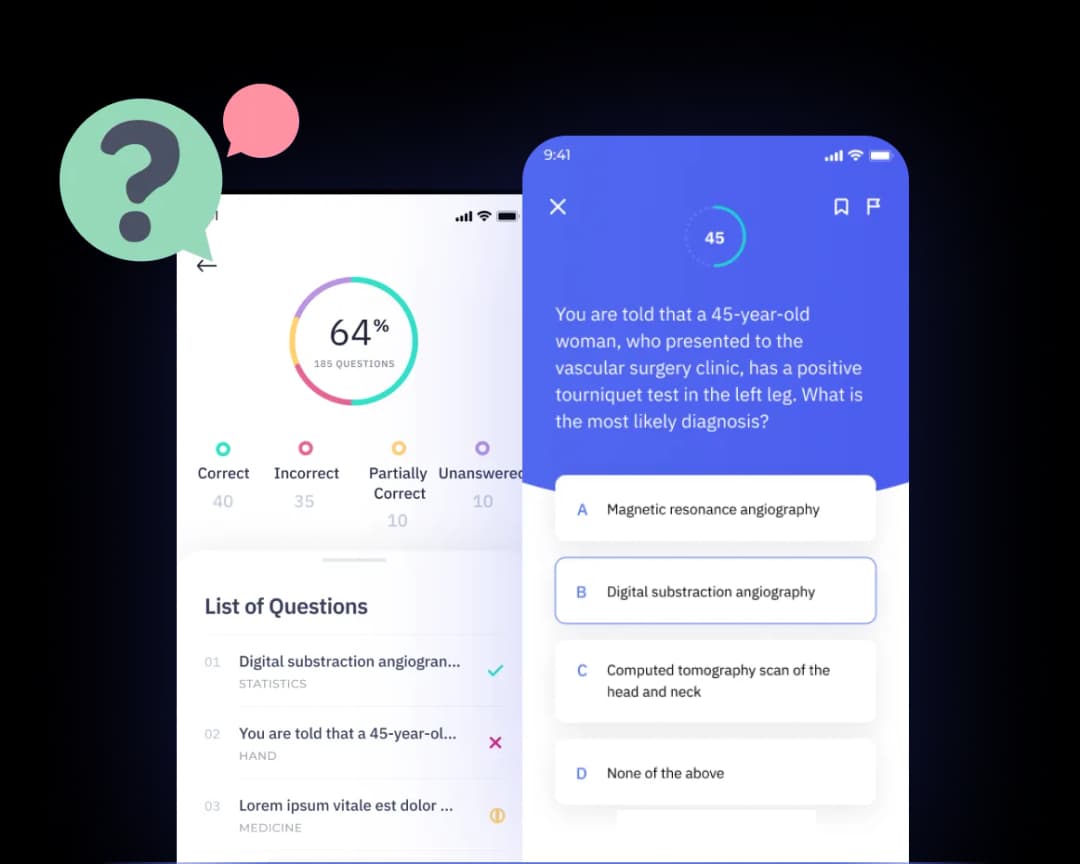
- Interactive content engages learners more effectively. Using quizzes, videos, and other interactive tools can make training sessions lively. Interactive methods increase participation and focus, which can lead to better skill retention. Platforms like Shiken.ai make it easy to incorporate these interactive elements into your training sessions.
Quick Summary of Techniques:

- Role-playing for practical experience and high retention.
- Coaching ensures continuous skill development and engagement.
- Interactive content keeps learners motivated and focused.
Incorporating these effective techniques into your sales training methodology can significantly enhance the learning experience. With improved engagement and practical practice, your sales team is more likely to thrive.
Why Interactive Learning is Key to Sales Success
Many traditional sales training methodologies focus on lectures and passive learning. This approach limits engagement and retention. Sales reps may find themselves tuning out rather than absorbing critical information. A lack of interaction in training leads to missed opportunities in skill development. Sales teams need a method that actively involves them in the learning process.
Interactive learning offers a solution by making training engaging and hands-on. This method encourages participation and allows sales reps to practice skills in real scenarios. Platforms like Shiken bring interactivity to life with AI-driven quizzes, role-plays, and personalized coaching. These features make learning not just informative but also fun. They enhance the overall training experience, ensuring that sales reps are well-prepared for real-world challenges.
Research supports the effectiveness of this approach. For example, interactive training can lead to greater retention rates compared to traditional classroom methods (Source: Integrity Solutions). In fact, hands-on workshops where sales reps practice skills can significantly improve performance. According to data, these immersive training experiences deliver higher engagement and on-the-job impact (Source: Mystrika). This shows that when sales teams actively engage in their training, they are more likely to succeed.
Shiken's AI-powered features amplify these benefits. With real-time Analytics and personalized learning workflows, sales representatives can see where they stand and where they need to improve. This dynamic approach allows for immediate feedback and development, making the training process effective and efficient.
Engaging in interactive learning is not just a nice-to-have. It’s a necessity for today’s sales success. To thrive in a competitive landscape, sales teams must embrace methodologies that prioritize engagement and skill application.
Leveraging Technology in Sales Training Approaches
TL;DR: Technology, especially AI, is modernizing sales training methodologies by offering personalized learning and real-time analytics.
Technology plays a crucial role in shaping effective sales training methodologies today. One major impact is through AI-driven personalized learning experiences. These systems tailor training content to individual learners, addressing their specific needs and learning styles. For example, an AI platform may analyze a salesperson's strengths and weaknesses and adapt the training accordingly, ensuring that each rep receives the right focus to enhance their skills.
Real-time analytics are another powerful tool in measuring training effectiveness. Sales managers can quickly identify skill gaps within their teams. This means they can swiftly adjust training programs to address these needs. For instance, if analytics show that multiple reps struggle with closing techniques, targeted training can be implemented immediately. This kind of responsive training promotes agility, helping teams adapt to market changes (Source: Richardson Sales Performance).
Integrating learning management systems (LMS) is essential for seamless tracking of progress throughout the sales training methodology. An effective LMS can help keep all training materials organized and easily accessible, which can lead to better retention of information. Companies like Zendesk have seen success with LMS tools, reporting a 25% improvement in course completion rates (Source: The Learning OS). This streamlines the learning process and allows for better reporting on overall performance.
The landscape of sales training is rapidly evolving. By embracing technology, teams can not only enhance their skills but also track their progress more effectively. Using these advanced methodologies leads to a stronger sales force ready for today’s challenges.
Key Components of a Successful Sales Training Strategy
A successful sales training methodology relies on several key components. These elements ensure the training is effective and measurable.
Identification of Target Skill Sets and Competencies
What: The first step is identifying the specific skills and competencies your sales team needs. This might vary from communication and negotiation skills to product knowledge and customer service.
Why: Understanding these skills helps tailor the training to the salespeople’s specific needs. For example, if a team struggles with closing deals, focusing on closing techniques will be crucial.
How: Use data-driven assessments to pinpoint skill gaps. A study showed that companies using skills assessments saw a 30% improvement in sales performance (Source: "6 Components of an Effective Sales Training Program"). This informs you about the targeted training your team needs.
Establishing Measurable Goals and Outcomes
What: Setting clear and measurable goals is essential for any training program. Goals should be specific, measurable, achievable, relevant, and time-bound (SMART).
Why: Establishing goals ensures alignment between the training and the expected outcomes. For example, if your goal is to increase quarterly sales by 20%, you need to craft training that directly contributes to this outcome.
How: Use data benchmarks to track progress. After training sessions, measure performance improvements using metrics like conversion rates or sales volume. Consistent tracking can lead to an increase of up to 15% in sales effectiveness (Source: "Top Sales Training Tricks That Lead To Success").
Continuous Assessment and Feedback Loops
What: Continuous assessment during the training process keeps sales reps engaged and informed. Regular feedback helps them refine their skills.
Why: Making quick adjustments based on performance data can have a powerful impact. For instance, participants who receive regular feedback can improve their skill retention by up to 50% (Source: "Key Components of Effective Sales Training Programs").
How: Use Shiken's AI-powered tools for real-time analytics and skill gap insights. These tools help trainers provide immediate feedback, ensuring ongoing development and adaptation of the sales training methodology.
Sales training is not a one-time event; rather, it is a continual process. By focusing on these key components, organizations can build a robust sales training strategy that leads to lasting success.
Measuring the Effectiveness of Sales Training
Measuring sales training effectiveness is crucial for success. Understanding how well your training methodologies work helps you refine them to meet your team’s needs.
Key Performance Indicators (KPIs)
To gauge the success of your sales training methodology, track key performance indicators (KPIs). Sales KPIs, such as conversion rates, deal size, and sales cycle length, offer valuable insights. This data shows how training affects real-world selling situations.
You might also want to look at employee engagement metrics. High engagement often correlates with improved performance. Examine these KPIs before and after training to see if changes occur. As noted in a study, comparing trained and untrained groups can clearly highlight training impacts (Source: Rainsalestraining).
Gathering Participant Feedback
Feedback from participants is another vital tool. Surveys and interviews can reveal what employees found useful and what might need improvement. Consider using a simple feedback form immediately after training sessions. This allows you to gather thoughts while they’re fresh.
You could also use the Kirkpatrick Model, a popular evaluation tool. This model assesses several levels, including participants’ reactions, learning changes, and behavior improvements (Source: Mindtickle).
Ongoing Evaluation and Iteration
Training doesn’t end once it’s complete. Ongoing evaluation is key to ensuring your sales training methodologies remain effective. Regularly review your findings and be ready to adjust your approach as needed.
As your sales strategy evolves, so must your evaluation methods. Making continuous improvements can lead to meaningful gains in performance over time (Source: Everstage).
Sales training is not a one-time event; it’s an ongoing journey. Consistent measurement and feedback loops create a culture of improvement, leading to increased performance and sales.
Measuring the effectiveness of sales training is vital for ongoing success and improvement.
To effectively measure the success of your sales training methodology, it's essential to track various key performance indicators (KPIs) that provide insights into training impact.
What Makes Shiken.ai Stand Out in Sales Training?
Shiken.ai offers a fresh approach in the crowded field of sales training methodologies. Here’s a look at what sets our platform apart from traditional training methods and other online competitors.
- AI-Powered Learning: Shiken's platform reduces content creation time by up to 70%, making it an agile choice for businesses looking to quickly implement effective training (Source: Create Sales Roleplays and Microlearning in 120+ Languages with AI).
- Integrated All-in-One Solution: Unlike other platforms, Shiken combines content creation, delivery, assessments, and analytics. This unified approach streamlines the entire learning process.
- Real-Time Analytics: Shiken provides immediate feedback on learners' progress, allowing companies to identify skill gaps and make necessary adjustments. The insights are easily exportable to LMS/LXP.
- AI Role-Playing Scenarios: Our platform includes interactive role-plays that mimic real-life sales interactions. This experiential learning fosters confidence and skill development in a risk-free environment.
- Knowledge Assistant: This feature offers expert prompts and tailored learning workflows directly within the platform. It ensures learners get the help they need at the moment they need it.
Customer Success Stories
Our unique offerings have gathered positive feedback. One of our clients reported a 45% increase in sales performance after implementing Shiken's training program. They highlighted how the AI-driven approach provided their sales team with crucial insights (Source: AI Sales Training: How Modern Teams Use AI to Boost Sales).
Testimonials from users emphasize engagement and practical results. One sales manager said, "Shiken transformed our training process. My team is not just learning; they're thriving."
Shiken.ai redefines sales training methodology with its innovative features, proving to be a game-changer in building successful sales teams.
Frequently Asked Questions
What is the best sales training methodology?
The best sales training methodology depends on your team's needs and industry. Popular approaches include SPIN selling, Sandler training, and consultative selling. SPIN stands for Situation, Problem, Implication, and Need-payoff, guiding salespeople in asking the right questions (Source: Sales Methodologies). Select a methodology that matches your team’s selling style for effective results. By aligning the methodology with your specific goals, you can boost your team's sales performance.
How can AI improve sales training?
AI can greatly enhance sales training by creating personalized learning experiences. For example, Shiken uses AI to generate interactive quizzes and role-playing scenarios tailored to individual learners' needs. This adaptive learning approach helps identify skill gaps efficiently. AI-driven content creation can reduce production time by up to 70%, allowing teams to focus on improving sales skills instead of creating content. With real-time analytics, organizations can better understand their training effectiveness.
What role does interactivity play in learning?
Interactivity is crucial in learning because it engages learners and enhances retention. In sales training, interactive elements, like simulations or quizzes, let participants practice real-life scenarios in a safe environment. This hands-on experience builds confidence and skills. Shiken's platform includes voice-powered role-plays and AI coaching to make learning dynamic and engaging. Research shows that interactive training can increase information retention by up to 75%.
How to measure the success of a sales training program?
To measure the success of a sales training program, set clear objectives and track key performance indicators (KPIs). Common KPIs include sales revenue, conversion rates, and customer feedback. Use analytics to assess learners' progress and identify areas for improvement. Shiken offers real-time analytics that provide insights into skill development and overall performance. These metrics will help you understand the effectiveness of your training methodology and make necessary adjustments.
Can Shiken be integrated with existing LMS platforms?
Yes, Shiken can seamlessly integrate with existing Learning Management Systems (LMS). This means organizations can enhance their current training programs without disrupting their workflow. By combining Shiken’s features—like interactive content creation and coaching—with your existing LMS, you can create a comprehensive training ecosystem. This integration allows for easy data export and improved tracking of learner progress, making it easier to measure the effectiveness of your sales training methodology.
Takeaway: Choosing the right sales training methodology and leveraging tools like Shiken can lead to significantly improved sales performance and team engagement.