Upskill Program Effectiveness: Key Metrics to Measure
Quick Summary
Discover how to effectively measure upskill program effectiveness with key metrics. Enhance employee performance and engagement—start optimizing your training t

Understanding the Significance of Upskill Program Effectiveness

Upskill program effectiveness is crucial for any organization aiming to thrive.
When organizations invest in upskilling, they see a boost in employee productivity and engagement. Employees who feel confident in their skills tend to perform better. In fact, 98% of employees report improved performance when they receive proper training (Source: What Is Upskilling?: Definition and Guide for Employers). This happens because upskilling helps workers master the competencies they need to excel in their roles.
Effective upskilling also plays a key role in talent retention. Companies that prioritize employee development create a workplace environment where individuals want to stay. Upskilling makes employees feel valued and respected. As a result, they are less likely to seek opportunities elsewhere. Ambitious projects during upskilling initiatives not only foster innovation but also align personal growth with the overall goals of the organization (Source: The Importance of Upskilling for Future Professional Growth).
Challenges in Measuring Effectiveness
Despite its advantages, measuring upskill program effectiveness poses challenges. Many organizations struggle to track the actual impact of their training efforts. Common obstacles include:
- Lack of clear metrics: It's vital to establish what success looks like from the start. Without clear goals, it can be hard to measure progress.
- Varied learning styles: Different employees absorb information differently. This makes it hard to find one-size-fits-all metrics.
- Time constraints: Busy schedules can hinder the ability to gather relevant data on program success.
Tracking these metrics will ensure organizations can fine-tune their upskilling initiatives for better results.
In summary, measuring upskill program effectiveness is essential for maximizing employee engagement and retention. Organizations that prioritize this will reap significant rewards. “Investing in upskilling pays off in employee performance and loyalty.”
Key Metrics to Evaluate an Upskilling Program
To measure upskill program effectiveness, organizations should focus on specific metrics. These metrics provide insights into how well the program is performing and its impact on employees. Here are key metrics to consider:
- Employee performance improvements can be assessed post-training. According to IBM, 60% of participants reported enhanced proficiency in their roles after upskilling programs (Source: Measuring the Effectiveness of Upskilling Programs: Metrics and KPIs). Tracking changes in performance scores can indicate the success of your program.
- Skill acquisition rates are crucial. Organizations should evaluate how many skills employees learn through training. This can be measured by pre-and post-assessments. Tracking this helps identify both strong and weak areas in learning.
- Participation and completion rates of training modules are essential metrics. An effective program should have at least a 75% completion rate. Low participation may signal issues with engagement or resource accessibility.
- Feedback from employees and learners is vital to understanding the impact of the upskilling content. Surveys can help gauge satisfaction and perceived relevance. Actively seeking input allows organizations to refine programs for better engagement.
- Employee retention rates can also reflect program effectiveness. Training can lead to higher job satisfaction, keeping employees motivated to stay with the company. Tracking retention before and after upskilling efforts gives valuable insights into its effectiveness.
Overall, measuring these key metrics provides a clear picture of how well your upskilling program is performing. Effective evaluation leads to improved learning experiences for employees, ultimately benefiting the organization as a whole. Making informed adjustments can enhance both training outcomes and employee skills.
How Training Programs Impact Workforce Development

Organizations often struggle with keeping their employees' skills up to date. As industries evolve, unskilled workers can hold businesses back. This leads to lower productivity and missed opportunities. Without targeted training programs, companies risk falling behind in a competitive market.
Improving upskill program effectiveness involves aligning training with business goals. Start by identifying key company objectives. Then, design training that enhances specific skills to meet these needs. For example, if a business focuses on customer service, training should prioritize communication and problem-solving skills. According to HBS Online, regular evaluations help track proficiency and identify skill gaps (Source: "What to Know About Upskilling Your Workforce - HBS Online").
Evidence supports that well-structured training correlates with boosted employee productivity. Organizations that implement effective training see a notable increase in job performance. Employees become more confident and efficient at their tasks. This not only improves their morale but also enhances overall business outcomes (Source: "Employee Training and Development: The Benefits of Upskilling or Reskilling Your Team | Great Place To Work®"). Moreover, workforce satisfaction can rise as employees feel invested in their professional development.
Continuous learning is essential in developing a skilled workforce. This means adopting a culture where learning doesn’t stop after initial training. Flexible learning modules can help employees engage with training that fits their busy schedules (Source: "Upskilling Your Workforce: Training Programs That Yield Results | MyStaff"). By creating an environment of ongoing education, businesses can adapt to future challenges while retaining talent.
Takeaway: Prioritizing effective training aligned with business goals fosters continuous growth and enhances productivity within the workforce.
The Role of AI in Measuring Upskill Program Effectiveness
AI technology transforms how we measure upskill program effectiveness with real-time insights, personalized learning, and streamlined reporting.
AI offers real-time analytics that help identify skill gaps in employees. For instance, if a particular skill, like data analysis, is lacking within your team, AI tools can quickly highlight this gap. This allows organizations to address training needs immediately. According to MJV Technology & Innovation, tracking indicators such as productivity gains and employee satisfaction can further evaluate the effectiveness of training programs (Source: What Are the Most Effective Strategies for AI Workforce Reskilling?).
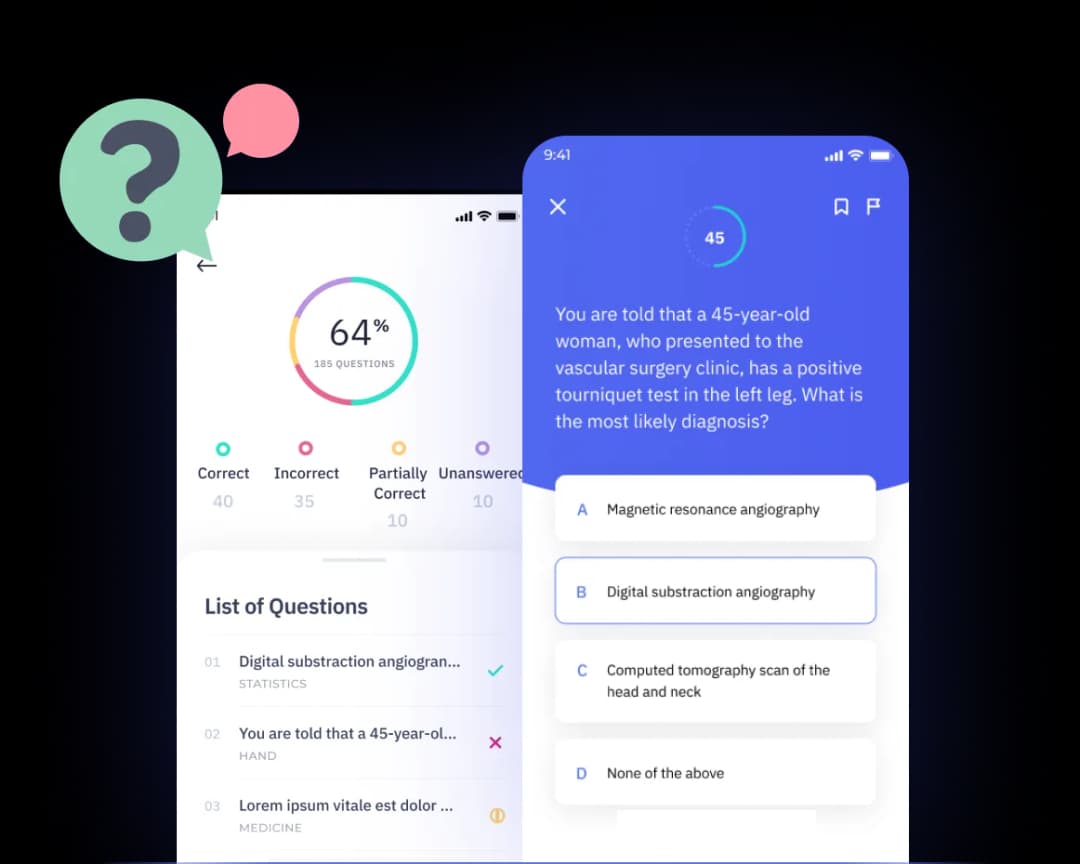
Personalized learning experiences are another benefit AI brings to upskilling. AI can adapt courses based on an employee’s unique learning style and pace. For example, a new employee may receive interactive role-playing scenarios that focus on specific areas they need to improve. This targeted approach helps create a more effective learning journey. With Shiken, users can experience tailored content that evolves as their skills grow.
Automated Reporting for Continuous Improvement
AI also simplifies the reporting process. Automated reporting tools can pull data and generate insights on employee progress in real time. For example, an organization can easily see completion rates of fun quizzes and assessments. This quick data export helps teams measure effectiveness continuously. The Kirkpatrick method is one effective way to assess this by evaluating training on multiple levels, including employee satisfaction and skills application (Source: Five Must-Haves for Effective AI Upskilling).
In summary, leveraging AI enhances upskill program effectiveness through real-time analytics, personalized learning experiences, and automated reporting. By adopting these technologies, companies can more easily meet their employees' training needs and drive growth.
Best Practices for Implementing Effective Upskilling Programs
Creating an effective upskilling program involves thoughtful planning and execution. Here are some best practices every organization should consider.
Design Interactive and Engaging Learning Content
What: Engaging content keeps employees interested. It includes quizzes, role-plays, and video lessons.
Why: Interactive learning can improve retention rates by 75%. Employees are more likely to apply what they learn when they find the content enjoyable.
How: Use platforms like Shiken to create voice-powered learning scenarios and assessments. By making learning feel like a game, you can increase participation and enthusiasm among employees.
Encourage Feedback Loops
What: Establish mechanisms for employees to provide feedback on training programs.
Why: Feedback helps identify strengths and weaknesses in your upskilling efforts. Programs with regular feedback loops are up to 2.5 times more successful, according to McKinsey (Source: 9 Best Practices for Upskilling the Workforce).
How: Use surveys and informal check-ins to gather insights from your team. Adapt the program based on this feedback to continuously improve the learning experience.
Utilize a Data-Driven Approach
What: Collect and analyze data to shape your upskilling programs.
Why: Data helps tailor learning paths to meet employees' specific needs. A study found that organizations that align training with employee needs see higher performance (Source: What to Know About Upskilling Your Workforce).
How: Leverage analytics tools to track progress. By understanding skill gaps, you can direct training resources where they are needed most.
By following these best practices, your organization can greatly enhance upskill program effectiveness. Engaging content, feedback loops, and data-driven choices create a learning environment where employees can thrive. Remember, investing in your workforce is investing in your success.
Here is a quick reference table highlighting best practices to enhance upskill program effectiveness.
What are the Challenges in Measuring Upskill Program Effectiveness?
Measuring upskill program effectiveness is not always straightforward. Organizations face several obstacles when evaluating their training initiatives.
One significant challenge is quantifying intangible benefits. While we can measure training outcomes like test scores, assessing employee satisfaction is tougher. High morale and confidence can lead to better performance, but capturing this data requires deeper insights, often through surveys or feedback sessions.
Another hurdle is collecting and analyzing training data effectively. Many organizations struggle with this due to inconsistent data collection methods. For example, if a company uses multiple platforms for training, integrating those insights can be complex. Data must be clean and organized to understand how upskilling impacts employees and overall performance.
Organizational Barriers to Change
Organizations often face barriers to change and adoption. Some employees may resist new learning methods or tools, fearing they will disrupt their routines. Additionally, management may have differing perspectives on the program's success, leading to conflicting data interpretation. Without clear goals and alignment across stakeholders, determining the effectiveness of the program becomes frustrating.
Businesses can mitigate these challenges. Setting clear objectives at the start can guide measurement efforts. Aligning the program with specific key performance indicators (KPIs) allows organizations to track actual impacts better. Research shows that organizations linking learning to KPIs achieve more measurable outcomes (Source: BCG).
In summary, measuring the effectiveness of upskilling programs is complex. It’s essential to overcome challenges in data collection and organizational resistance to make informed decisions about training initiatives. Finding the right balance can lead to better employee satisfaction and performance over time.
"Measuring upskill program effectiveness requires clear goals and overcoming barriers to change."
Frequently Asked Questions about Evaluating Upskill Programs
What are the best metrics for assessing training success?
The best metrics for assessing training success include skill proficiency, employee satisfaction, and business impact. Skill proficiency is measured through assessments before and after training. Employee satisfaction can be gauged through surveys asking how useful they found the training. Finally, evaluate business impact by tracking key performance indicators (KPIs) like promotion rates and productivity improvements among employees who participated in the upskilling programs (Source: HBS Online).
How can we effectively gather feedback from employees on training?
To gather effective feedback from employees, use anonymous surveys and one-on-one interviews. Anonymous surveys encourage honesty and can be set up to ask specific questions about the training content and its application. One-on-one interviews allow for deeper insights and clarify any issues. Encourage open dialogue, where employees feel their opinions are valued. This feedback can guide improvements in future upskilling sessions, ensuring that employee needs are met.
What tools can be used to track the effectiveness of upskilling initiatives?
Several tools can track the effectiveness of upskilling initiatives, such as Learning Management Systems (LMS) and analytics platforms. Shiken’s AI-powered platform provides real-time analytics that show skill gaps and learning progress. Other tools can include performance management software that connects training outcomes to business results, making it easier to visualize the impact of upskilling. These tools help organizations make informed decisions about their training programs and foster continuous improvement.
How does continuous reskilling help in measuring program impact?
Continuous reskilling supports ongoing measurement of program impact by keeping skill levels aligned with changing job requirements. Regular assessments can identify skill gaps as industries evolve. This means training programs can be adjusted based on real-time needs rather than waiting for scheduled reviews. As a result, organizations can track improvements in employee performance more accurately over time, ultimately linking upskilling to business success (Source: Disprz).
What common mistakes should organizations avoid when implementing training?
Organizations should avoid several common mistakes when implementing training, such as:
- Neglecting Needs Analysis: Failing to assess employee skill gaps can lead to irrelevant training.
- One-Time Programs: Treating upskilling as a one-off event rather than an ongoing process reduces effectiveness.
- Ignoring Feedback: Not collecting employee feedback can hinder program improvements.
Organizations that make a conscious effort to avoid these pitfalls will see better results in their upskilling efforts.
Quotable takeaway: Effective measurement of upskill program effectiveness leads to better training and enhanced overall performance.