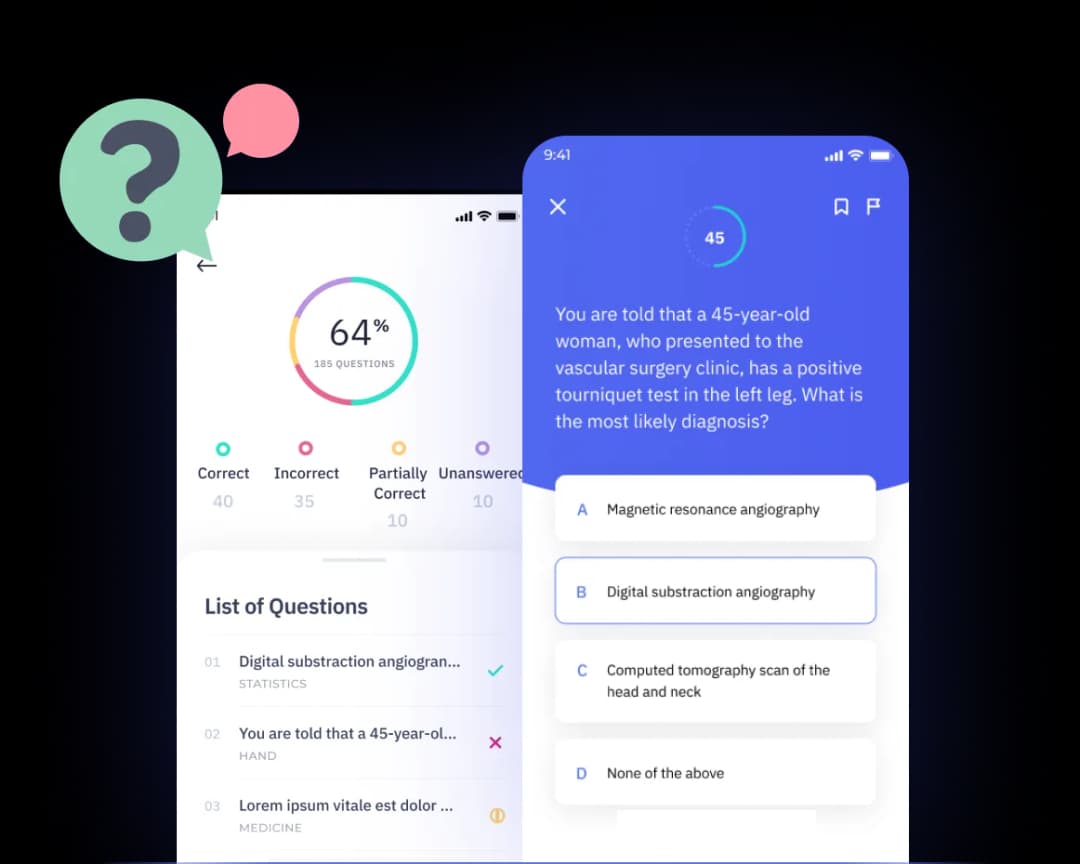
Leadership Development Program: Key Strategies for Success
Quick Summary
Unlock the potential of your leaders with our comprehensive leadership development program. Discover key strategies for success and transform your organization'

Understanding Leadership Development Programs

A leadership development program is a structured initiative designed to improve the skills and abilities of leaders within an organization. These programs focus on guiding current and future leaders through essential training and development.
Organizations invest in leadership development for several reasons. First, effective leaders drive company performance, foster a positive culture, and enhance employee engagement. Research shows that 71% of organizations consider leadership development a top priority (Source: “Leadership Development Programs: A Complete Guide”). This reflects a growing recognition that strong leadership is vital for long-term success.
In recent years, trends in leadership training have evolved. There’s a shift toward personalized learning experiences that cater to individual strengths and weaknesses. Companies now use technology to create interactive programs, making training more engaging. For example, platforms like Shiken.ai enable teams to develop content powered by AI, streamlining the training process significantly.
Another trend is the focus on experiential learning. Programs incorporate real-world challenges, allowing leaders to practice their skills in safe environments. This hands-on approach helps mentors guide leaders effectively, ensuring they are prepared for future challenges.
Leadership development programs also emphasize diversity and inclusion. These initiatives ensure that different voices and perspectives are heard, ultimately leading to more innovative solutions, and many companies publicly track progress through workforce diversity reporting such as Our 2020 Workforce Diversity Report .
In summary, investing in leadership development not only prepares individuals for future roles but also strengthens the entire organization. Strong leadership development is essential for navigating the complexities of today's business landscape.
Key Elements of an Effective Development Program
A successful leadership development program includes several key elements. These components help ensure that aspiring leaders gain the skills they need to excel.
- Personalized learning paths enhance engagement and effectiveness. By using AI-driven tools, programs can tailor courses to individual learning styles and needs. This boosts relevance and retention.
- Mentorship and coaching are vital for growth. Having experienced mentors guide participants can make a significant difference. The right mentor can provide tailored advice, speeding up the learning process (Source: Components of a Successful Leadership Development Program).
- Real-time feedback and analytics track progress. Programs should provide updates on participant development, allowing for necessary adjustments. Studies show that timely feedback increases the likelihood of goal achievement by 30% (Source: 6 Attributes of a Meaningful Leadership Development Program).
Personalization in learning paths encourages leaders to engage with the content deeply. This customization can drive motivation and result in better outcomes. When paired with mentorship, leaders can navigate challenges more effectively. Also, real-time analytics ensure that every participant is on the right track.
Effective leadership development programs create a cycle of continuous improvement. Leaders can combine their skills with feedback to enhance their performance. All these components work together to create leaders who are prepared for future challenges.
In summary, a well-rounded leadership development program focuses on personalization, mentorship, and tracking progress through feedback. Implementing these elements can lead to successful leadership outcomes.
How Shiken Enhances Leadership Training
Many organizations face challenges in building effective leadership. Traditional leadership development programs can be slow and cumbersome, taking too much time to create engaging content. This can lead to unmotivated learners and wasted resources. Professionals need a way to improve their skills quickly, while also enjoying the training process.
Shiken addresses these problems with an AI-powered platform that transforms leadership training. Our technology reduces content development time by up to 70%, allowing organizations to focus on what matters most: developing strong leaders. Shiken provides interactive content, including quizzes and role-plays, that engage learners and make training enjoyable. This approach not only helps in retaining knowledge but also develops essential leadership skills.
The platform's seamless integration with existing Learning Management Systems (LMS) or Learning Experience Platforms (LXP) makes it easy to implement. Organizations do not need to start from scratch. They can quickly adapt Shiken's resources into their programs without a hassle. Our leadership development program combines content creation, delivery, and analytics in one solution, simplifying the training process.
With Shiken, teams benefit from real-time insights into skill gaps and learning progress. Our AI role-playing scenarios offer immersive experiences that simulate real-world challenges, preparing leaders for actual situations. This experiential learning enhances the overall effectiveness of leadership training, leading to well-prepared professionals.
Embracing Shiken's innovative approach means organizations can cultivate confident leaders more efficiently. Our platform revolutionizes leadership development by making it engaging and effective. The takeaway is clear: using Shiken enhances leadership training, leading to meaningful growth for both individuals and their teams.
Best Practices for Leadership Development Programs

TL;DR: Effective leadership development programs use experiential learning, diverse skill-building opportunities, and a continuous learning culture.
One of the best practices for a successful leadership development program is incorporating experiential learning through role-playing scenarios. This hands-on approach allows leaders to practice their skills in a safe environment. For example, a program might involve a roleplay where participants navigate workplace conflicts. This real-world simulation helps them develop their decision-making capabilities and learn how to lead in challenging situations (Source: How to Create a Successful Leadership Development Program).
Another effective strategy is to create a rotating leadership program. This setup allows participants to experience various roles within the organization. As leaders switch between positions, they can build a diverse skill set. For instance, someone in a marketing role might rotate to operations. This not only broadens their perspective but also strengthens their ability to collaborate across departments. Building these varied experiences is crucial, as it helps leaders understand the business as a whole (Source: Best Practices for Leadership Development).
A key element in any leadership development program is fostering a culture of continuous learning. Organizations should encourage employees to pursue knowledge beyond formal training. This can be supported by providing access to online resources, such as Shiken's AI-powered platform, which offers interactive courses and quizzes. By promoting lifelong learning, companies empower leaders to stay updated with industry trends and develop their skills continuously (Source: Leadership Development Best Practices | CCL).
Implementing these best practices will lead to a more effective leadership development program. Ultimately, organizations that prioritize experiential learning, diverse skills, and continuous growth will nurture stronger and more capable leaders.
Measuring the Success of Leadership Development Initiatives
Evaluating the effectiveness of a leadership development program is crucial. By measuring success accurately, organizations can refine their initiatives and improve future results. Here’s how to do it.
What Are Key Performance Indicators?
Key performance indicators (KPIs) are metrics that help assess the success of a leadership development program. Examples include:
- Team performance: Track if teams are achieving their goals better after the program.
- Promotion rates: Analyze if participants are more likely to be promoted compared to non-participants.
- Employee engagement scores: Measure changes in employee satisfaction and motivation.
- Retention rates: Determine if leaders who completed training are staying longer with the organization.
These metrics offer a clear picture of how well the program works (Sources: Harvard Business Impact, USF).
Why Use Analytics to Identify Skill Gaps?
Using analytics can help leaders identify skill gaps within their teams. For instance, a report might show that decision-making skills are lacking. By focusing on this area, organizations can tailor their leadership development program to include specific training sessions.
Regularly assessing leadership abilities can spotlight areas for improvement. 360-degree evaluations or self-assessments can provide valuable insight into each participant's progress and needs (Source: PMC).
How to Get Feedback for Future Programs
Feedback mechanisms are essential for refining leadership programs. Surveys after each training session can gather participants' thoughts on what they learned and how they felt. Here are ways to collect feedback:
- Post-training surveys: Ask specific questions about content and delivery.
- Follow-up interviews: One-on-one discussions can yield deeper insights.
- Continuous evaluations: Implement feedback loops throughout the program.
Tracking progress over time helps organizations modify their leadership development program based on real-world results (Source: UPCEA).
To sum it up, measuring the success of your leadership development initiatives leads to better outcomes. With effective KPIs, analytical tools, and feedback systems, organizations can enhance their programs and build stronger leaders.
To effectively measure the success of a leadership development program, consider the following key performance indicators (KPIs).
Opportunities for Emerging Leaders
Emerging leaders are individuals ready to step into significant leadership roles. Opportunities within a leadership development program can help them grow in effective ways.
Rotational Programs
One exciting option is rotational programs. These programs let participants experience various roles in a company. This diverse exposure helps them understand how different departments function. By rotating through multiple positions, they gain practical knowledge and skills necessary for leadership. Such varied experiences can enhance their problem-solving abilities and leadership style (Source: PMMI).
Fellowship Opportunities
Fellowship programs offer intensive training for aspiring leaders. These are structured programs focusing on deepening participants’ leadership skills. They often include workshops, mentorship, and real-world projects. Such experiences can fast-track their growth, equipping them with vital strategies for their future roles. Programs like these provide essential support to those aiming for higher leadership positions (Source: AASCU).
Networking Benefits
Joining established leadership development programs also opens up networking opportunities. Participants connect with experienced leaders and peers, building valuable relationships. These connections can lead to mentorship, career guidance, and potential job opportunities. Networking is often a crucial aspect of advancing in leadership roles. Many programs facilitate interactions which promote collaboration across various sectors, enriching the participants' experiences (Source: Korn Ferry).
In summary, leadership development programs provide distinct avenues for emerging leaders. These opportunities help shape capable, well-rounded leaders prepared to face challenges in today’s fast-paced world.
“Effective leadership development opens doors to diverse experiences and impactful connections.”
Frequently Asked Questions
What is the typical duration of a leadership development program?
The typical duration of a leadership development program varies but commonly lasts between six weeks to six months. Programs may include workshops, seminars, and ongoing learning experiences. The timeline often depends on the specific goals and structure set by the organization. For instance, shorter programs may focus on targeted skill development, while longer ones may offer in-depth training across various leadership competencies. Balancing commitment and flexibility helps cater to different learners’ needs.
How can organizations assess the need for leadership training?
Organizations can assess the need for leadership training by analyzing performance metrics, employee feedback, and industry trends. Conducting surveys and interviews helps identify skill gaps among current leaders. A leadership competency model can also guide assessments. Evaluating turnover rates and employee engagement levels provides insight into potential leadership deficiencies. Regular assessments ensure that training aligns with business goals and employees' needs, creating a strong foundation for leadership development.
What types of activities are included in a leadership development program?
A leadership development program typically includes a mix of activities like workshops, online courses, and experiential learning. There may be role-playing scenarios, team-building exercises, and coaching sessions. Programs often involve real-world projects to encourage practical application of skills. Additionally, networking opportunities and mentorship arrangements help participants learn from experienced leaders. Such diverse activities enhance engagement and promote deeper learning among aspiring leaders (Source: Harvard Business Impact).
How does AI enhance the learning experience in leadership training?
AI enhances the learning experience in leadership training by offering personalized learning paths and instant feedback. For instance, Shiken’s AI-driven platform creates interactive, voice-powered content tailored to individual learning styles. AI role-playing scenarios enable leaders to practice decision-making in realistic situations with immediate coaching. This technology streamlines content creation and helps organizations adapt training to current challenges, making learning more relevant and effective.
What are the expected outcomes of successful development programs?
Successful leadership development programs typically lead to improved employee engagement, enhanced leadership skills, and higher retention rates. Participants often report increased confidence and greater ability to manage teams effectively. Organizations may see better performance metrics and a stronger alignment with their strategic goals. A well-structured program can create a pipeline of capable leaders ready to meet future challenges, ultimately benefiting the entire organization.
In summary, effective leadership development programs transform individuals into capable leaders, bridging skills gaps and contributing to overall business success.