How to Measure the Effectiveness of an Upskill Program
Quick Summary
Discover how to measure the effectiveness of an upskill program with key metrics and essential methods. Enhance your training and ensure success today!

Introduction to Measuring Upskill Program Effectiveness

Measuring the effectiveness of an upskill program is crucial for organizational growth. In today's fast-paced work environment, the need for effective upskilling has never been greater. Companies must ensure their employees have the skills to tackle new challenges. As industries evolve, so do the skill sets required for success.
When an organization measures its upskilling programs, it can identify where improvements are needed. This continuous feedback loop allows teams to refine their training methods and adapt to changing needs. By leveraging data, organizations can enhance learner engagement and overall program performance.
Key Concepts and Metrics
To effectively measure an upskill program, certain key concepts and metrics come into play. First, clear objectives must be defined. This includes understanding what skills are needed and how these skills align with business goals. Metrics such as employee engagement scores and retention rates offer insights into program effectiveness (Source: Aspen Institute).
Another important factor is the return on investment (ROI) of upskilling efforts. Companies can calculate ROI by comparing the costs of the training program to the benefits gained from improved performance. The results can show whether the investment was worth it (Source: Efectio).
By understanding how to measure the effectiveness of an upskill program, organizations can create a culture of continuous learning. This not only fosters employee growth but also enhances overall business performance. Remember, the goal is to ensure that every training initiative leads to meaningful skill enhancement.
"Measuring upskilling effectiveness drives continuous improvement and boosts overall performance."
How to Measure the Effectiveness of an Upskill Program: Key Metrics
Measuring the success of an upskill program requires clear metrics. Here are some key factors to evaluate its effectiveness.
- Return on Investment (ROI) shows the financial benefits of training compared to costs. A well-crafted program can yield an ROI of up to 200%, meaning companies see twice their investment back through improved performance (Source: Aspen Institute).
- Retention rates indicate how effectively training keeps employees engaged. Organizations with strong upskill programs often see a 25% increase in employee retention. This not only saves recruitment costs but builds a loyal workforce (Source: AIHR).
- Productivity changes before and after training are crucial. Companies can track specific metrics, like sales figures or task completion times. A survey showed that 60% of upskilled employees reported enhanced proficiency in their roles, contributing to higher productivity levels post-training (Source: Vorecol).
Assessing Impact

To accurately measure the effectiveness of an upskill program, combining these metrics is key. For example, measuring ROI alongside productivity changes provides a holistic view of program success.
Using clear metrics helps to define the goals of your training. By focusing on metrics like retention and productivity shifts, you gain insight into the program's value. Real-time analytics can help organizations adapt their training strategies for better outcomes.
These metrics not only assess training effectiveness but also inform companies on how to improve and invest wisely in future upskilling initiatives. Understanding how to measure the effectiveness of an upskill program allows organizations to continue fostering a culture of continuous learning and improvement.
Focusing on these metrics ensures your upskill programs deliver measurable benefits and drive success forward.
Essential Methods for Evaluating Training Outcomes
Measuring the effectiveness of an upskill program can be a challenge. Organizations often want to know if their training efforts truly make a difference. Without clear methods to assess impact, it’s hard to justify resources spent on upskilling. Evaluating training outcomes involves both qualitative and quantitative approaches. Using these can provide a fuller picture of how well a program succeeds.
Quantitative evaluation focuses on numerical data. Surveys and questionnaires can gather students' perceptions of the training. These metrics allow you to analyze progress over time. For example, tracking pre-training and post-training assessment scores helps gauge learning retention. According to AIHR, employing a scale method in surveys reveals how well training objectives were met (Source: Measuring Training Effectiveness: A Practical Guide). This approach gives a clear view of skills developed in the learners.
Qualitative evaluation measures perspectives and experiences. Feedback from employees can highlight specific aspects of the training that worked or didn't. Open-ended questions during feedback sessions allow staff to express their thoughts on how the training applied to their roles. This information can guide necessary adjustments to future programs. Engaging employees in this way leads to a more collaborative training process.
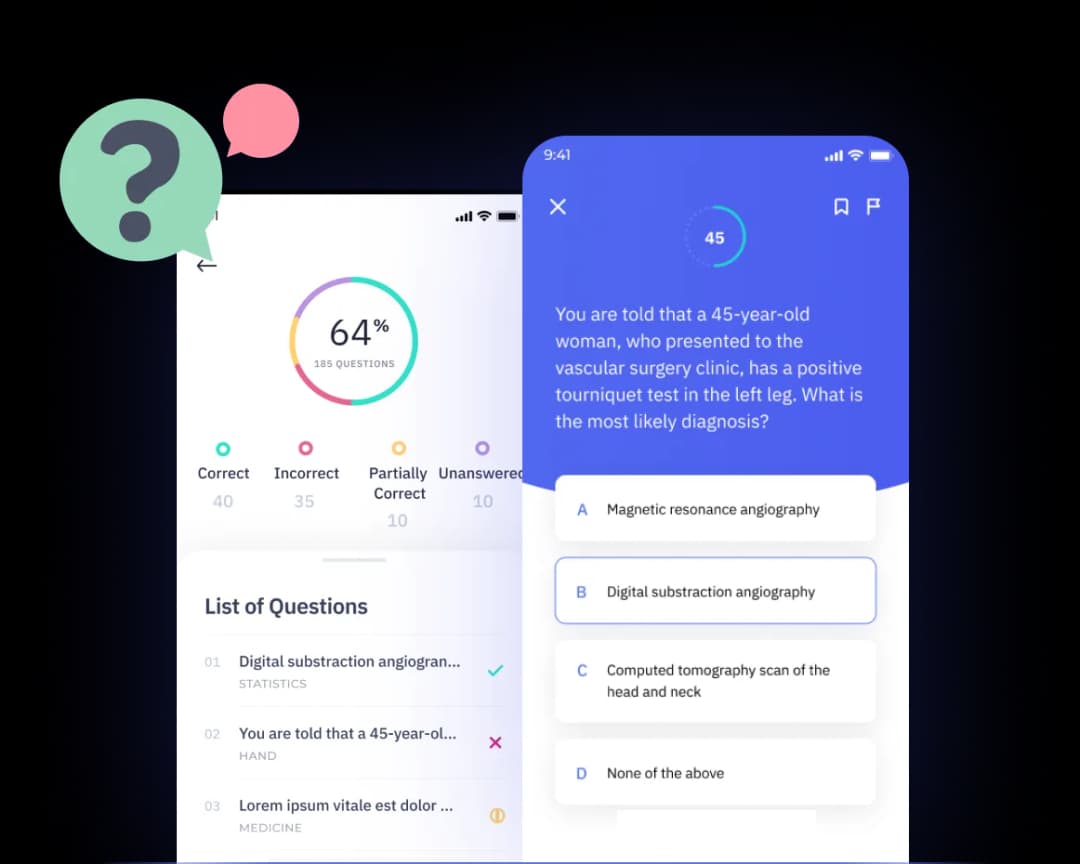
Using performance tracking tools and analytics adds another layer of insight. Shiken.ai offers real-time analytics, helping you spot skill gaps quickly. By integrating with Learning Management Systems (LMS), companies can export data easily for deeper analysis. This combination of tools ensures that each training initiative delivers measurable results.
To effectively measure the impact of an upskill program, combine both qualitative and quantitative methods. Together, these approaches provide a comprehensive understanding of training effectiveness, leading to better decision-making for future initiatives. Remember, engaging with employees and tracking performance plays a key role in achieving measurable outcomes.
The Role of Data in Measuring Upskilling Success
Key stat: Companies that leverage data to measure training effectiveness experience a 25% increase in performance. (Source: BCG)
Data plays a crucial role in understanding how to measure the effectiveness of an upskill program. Gathering data at three key stages—before, during, and after the training—offers a full picture of the program's impact.
Types of Data Collected
- Pre-training assessments: Understanding baseline skill levels helps identify existing gaps.
- Participation rates: Tracking attendance and engagement during the training reveals interest and commitment.
- Post-training evaluations: Assessing skill improvement shows whether the training was successful.
Learning analytics provides insights into skill gaps. These insights can guide adjustments to training content, ensuring it meets learner needs. A study found that combining quantitative data, like completion rates and skill assessment scores, with qualitative feedback leads to a clearer evaluation of outcomes (Source: Vorecol).
Additionally, Shiken offers robust data export features. Users can easily transfer their results into Learning Management Systems (LMS) or Learning Experience Platforms (LXP). This integration facilitates better analysis and deeper understanding of training effectiveness. By using the data collected, organizations can refine their upskilling initiatives for improved future outcomes.
Impact on Employee Performance
The insights gained from analyzing this data can significantly impact employee performance. Programs that are tailored using data analysis can lead to higher employee satisfaction and retention. According to the Aspen Institute, effective measurement involves aligning objectives and integrating data-driven insights to track business impact (Source: Aspen Institute).
In summary, leveraging data is key to understanding how to measure the effectiveness of an upskill program. When programs are driven by data, organizations can focus on targeted areas for improvement, ultimately enhancing the learning experience and boosting performance.
Impact of AI on Measuring Upskilling Programs
AI technology is changing the way businesses gauge the success of their upskill programs. With smart analytics and tracking, companies can now see real-time data on their training efforts. This integration allows for more accurate performance tracking. For instance, AI can monitor both completion rates and productivity gains, leading to a clearer picture of how well the training is working. In fact, research shows that completion rates can reach 80-90% with effective AI-driven training methods (Source: MJV Technology & Innovation).
Benefits of Personalization in AI-Driven Training
AI also offers personalized learning paths for employees. Each learner's unique needs and styles can be considered, making training more engaging. This tailored approach helps learners retain information better and apply newfound skills effectively. For example, platforms like Shiken.ai enable learners to interact with voice-powered scenarios and quizzes that suit their learning pace.
By making training more relevant, organizations can boost their overall performance. Personalized training can lead to a 60% increase in engagement, which significantly enhances the training's impact (Source: How to Assess the ROI of AI-Driven Upskilling Initiatives).
Streamlining the Evaluation Process with AI
When it comes to assessing program effectiveness, AI simplifies the evaluation process. It automatically collects and analyzes data, saving HR teams time and effort. With tools to evaluate indicators like technology adoption speed and employee satisfaction, organizations can swiftly understand what works in their training efforts.
For example, monitoring time-to-proficiency can show how quickly employees apply their new skills. AI can reduce the time spent on evaluations by up to 50%, allowing organizations to focus on refining their programs.
In summary, using AI enhances how to measure the effectiveness of an upskill program. By leveraging smart analytics and personalization, organizations can gain deeper insights and make informed decisions for future training initiatives.
Comparing Effectiveness: Upskilling Programs vs. Traditional Training
Upskilling programs offer significant advantages over traditional training methods. Flexibility is a key difference. Upskilling programs often adapt to learner needs, allowing for customized content that fits various skill levels and learning paces. In contrast, traditional training usually follows a set curriculum, which can leave some learners behind.
Engagement and retention rates shine when comparing the two. Programs that focus on upskilling tend to be more interactive and involve practical exercises, leading to higher engagement. This increased interaction often results in better retention of material. Traditional training methods, which can be more lecture-based, often struggle to maintain learner interest, causing people to forget information quickly.
When looking at learner outcomes, upskilling programs show a direct impact on job performance. They connect learning to real-world applications, making it easier for learners to transfer new skills to their work. Traditional training sometimes misses this point, leading to less relevant results.
Real-time feedback in upskilling programs gives immediate insights into learning progress, something that's harder to achieve in traditional settings. Educators and employers can quickly identify skill gaps and adjust training as needed.
To effectively measure the impact of any learning approach, organizations must consider how to measure the effectiveness of an upskill program. Choosing the right method can dramatically influence performance and career growth. Remember, the best training programs are those that adapt to learners and provide ongoing relevance.
Why Continuous Measurement is Crucial for Training Success
- Continuous feedback loops enhance training effectiveness. Regular input helps identify what works and what doesn’t, leading to improved training outcomes.
- Dynamic metrics support smarter decision-making. In a 2023 study, organizations that updated training metrics regularly saw a 31% rise in employee productivity (Source: iMocha).
- Shiken provides real-time analytics for timely insights. With Shiken, trainers can access immediate data on skill gaps and performance, making adjustments as needed.
- Ongoing measurement fosters a culture of learning. Employees feel empowered when they see their progress and development reflected in real-time data.
- Regular assessments help justify training budgets. Organizations that measure the return on investment for upskilling programs can better allocate resources for future training.
- Agility in training leads to greater engagement. When programs adapt based on continuous feedback, employees are more likely to remain invested in their learning journey.
- Measurement tools create accountability. Setting clear metrics for success holds both trainers and employees responsible for the effectiveness of the upskill program.
Continuous measurement is essential for understanding how to measure the effectiveness of an upskill program. It allows organizations to adapt and evolve their training as needed. This not only leads to better results but also creates an environment where learning is valued and supported.
In summary, maintaining ongoing assessments transforms upskill programs into dynamic systems that respond to real needs, driving both performance and engagement. When organizations invest in continuous feedback, they set themselves up for sustained success in training.
FAQs About Measuring Upskill Program Effectiveness
What are the most effective metrics for assessing training programs?
The most effective metrics include employee engagement scores, retention rates, and performance improvements post-training. Engaged employees are more likely to use their new skills effectively. Tracking retention rates can show if upskilling leads to employee loyalty. Performance changes provide direct insight into the program's success. According to IBM, 60% of training participants reported improved proficiency in their roles, which emphasizes the importance of these metrics (Source: Vorecol).
How can organizations ensure accurate data collection for evaluations?
To collect accurate data, organizations should define clear objectives and align stakeholders from the start. This means knowing what success looks like for the upskill program. Using surveys, assessments, and performance analytics can help gather comprehensive data. Integrating these insights into an analytics platform like Shiken allows for real-time tracking. Such an approach can lead to more meaningful evaluations and informed decision-making (Source: Aspen Institute).
What role does employee feedback play in measuring effectiveness?
Employee feedback is crucial in assessing the effectiveness of training programs. It provides insights on employee satisfaction and areas for improvement. Regularly collecting feedback through surveys or interviews helps organizations understand how upskilling impacts workers. This engagement not only fine-tunes future programs but also boosts morale. Employees who feel heard are more likely to engage with the training, enhancing its overall effectiveness.
How often should the effectiveness of an upskill program be evaluated?
The effectiveness of an upskill program should be evaluated at least twice a year. Regular assessments allow organizations to adjust and refine their programs as needed. Frequent evaluations help in identifying skills gaps and adapting to changing business needs. By incorporating feedback and performance data, companies can ensure their training remains relevant and impactful, fostering a culture of continuous learning.
What tools can be used to measure the ROI of training programs?
To measure the ROI of training programs, organizations can use tools like analytics dashboards, employee performance tracking software, and LMS integrations. Shiken.ai offers real-time analytics that simplifies measuring the impact of upskilling on employee performance. Additionally, calculating ROI can involve direct cost savings and productivity gains, making the benefits clearer to stakeholders (Source: Training Magazine).
Quotable takeaway: Understanding how to measure the effectiveness of an upskill program involves using the right metrics, gathering robust data, and continuously refining your approach based on employee feedback.