How to Implement AI Coaching: A Step-by-Step Guide
Quick Summary
Discover how to implement AI coaching effectively with our step-by-step guide. Unlock powerful learning experiences and enhance skills today!

Understanding AI Coaching in Today's Learning Landscape

AI coaching is a technology that uses artificial intelligence to support personal and professional growth. This innovative approach helps individuals and teams develop skills more effectively. By leveraging AI, coaching becomes interactive, personal, and deeply engaging.
AI coaching is transforming how we think about learning. Traditional coaching often relies on human coaches who provide guidance and feedback. AI can enhance this process by delivering instant responses and adapting to the learner's needs. This makes it a valuable tool for upskilling in various settings, from schools to workplaces.
There are several benefits to implementing AI coaching. First, it provides personalized experiences. The AI observes user interactions and tailors recommendations accordingly, allowing for a more customized approach to learning. Second, it can save time. By automating various coaching tasks, teams can focus on bigger challenges. For example, a report from LinkedIn highlights that using AI for coaching can streamline processes, giving learners immediate feedback (Source: LinkedIn).
Strengthening Traditional Coaching Methods
AI coaching doesn't replace traditional methods but strengthens them. With AI tools, coaches can gain insights into their learners’ progress. Real-time data matters; coaches can adjust their strategies based on analytics and performance metrics. For instance, Stanford University noted that AI can collect valuable data, enhancing coaching effectiveness (Source: Stanford).
Also, AI plays a crucial role in interactive learning. Through voice-powered interactions and scenario-based coaching, users engage actively. This supports experiential learning, making the process enjoyable and effective.
Implementing AI coaching genuinely unlocks new pathways for skill development. As we explore how to implement AI coaching, remember: technology should enhance the human touch, not replace it. AI coaching is shaping a brighter future for learning and development.
How to Implement AI Coaching: Key Considerations
Implementing AI coaching can reshape your training programs. Before diving in, consider these essential factors.
- Set Clear Goals for Your AI Coaching Program.
Identify what you want to achieve. Whether enhancing skills or improving engagement, clarity is key. Clear objectives will guide implementation and help measure success. - Assess Your Existing Tools and Systems.
Review your current technology and resources. Understanding what you already have helps in integrating AI coaching without unnecessary costs. For example, a recent study showed that businesses using integrated systems see a 25% increase in user satisfaction. - Explore User Interaction Modes.
Determine how learners will engage with the coaching system. Will it be through chat, voice, or video? Knowing this helps tailor coaching experiences to your users' preferences, making interactions more effective.
Trust and Transparency

The success of AI coaching also relies on building trust with users. Transparency about how the AI works can increase user acceptance. Be sure to communicate how the AI will support, not replace, human coaches (Source: "A Practical Guide to Integrating AI and Coaching").
Quality Matters
When selecting AI tools, prioritize credibility and data quality. The right models can significantly influence the coaching experience. Research suggests that better data-driven insights can lead to up to a 30% improvement in coaching effectiveness (Source: "AIHR").
These considerations lay the groundwork for successful AI coaching. By setting goals, assessing your systems, and understanding user preferences, you'll be well on your way to implementing AI coaching effectively.
Takeaway: A thoughtful approach sets the stage for impactful AI coaching that meets your organization’s needs.
Choosing the Right AI Tools for Coaching
When it comes to how to implement AI coaching, selecting the right tools can be a challenge. Different platforms offer diverse features, which can make it hard to know what to look for. Choosing the wrong tools might waste your time and money, leaving you with a solution that doesn't meet your needs. This can negatively impact the effectiveness and accessibility of your coaching strategies.
The first step to finding the perfect AI tools is to evaluate your specific coaching needs. Look for platforms that provide features like personalized feedback, real-time analytics, and seamless interaction. The best tools will also integrate with your current Learning Management System (LMS) or Learning Experience Platform (LXP). This ensures that your coaching environment remains cohesive and user-friendly.
Consider comparing the top AI coaching tools available on the market. For instance, platforms like Shiken combine coaching, content creation, and analytics in one comprehensive system. According to research, tools that prioritize user-friendliness, integration capabilities, and cost-effectiveness tend to yield better results (Source: Effective AI Tools for Optimizing Coaching Workflows). This helps in creating a productive coaching atmosphere for both coaches and athletes.
In summary, choosing the right AI tools for coaching takes some thought and research. Assess your needs, evaluate features, and compare top options. The right tools can enhance interaction, improve the coaching process, and support the development of athletes. With proper integration and thoughtful selection, you can streamline your coaching experience and see significant benefits. Remember, an effective AI coaching system can greatly enhance the overall training journey.
Designing Interactive Coaching Programs with AI
TL;DR: Use AI to create engaging coaching experiences. Incorporate role-playing, adaptive learning paths, and assessments for better outcomes.
Creating interactive coaching programs with AI can transform the learning experience. One effective method is using AI role-playing scenarios. These simulations let learners practice real-life situations in a safe environment. For instance, a sales coach can create a scenario where an athlete must sell a product. The AI can simulate different customer responses, allowing the learner to adapt their approach. This hands-on experience deepens understanding and improves skills dramatically.
Next, consider adaptive learning paths. These personalized journeys guide learners based on their performance. If an athlete struggles with a particular skill, the AI system can adjust the program. It might provide additional resources or different methods for practice. This adaptability ensures that coaching meets individual needs, enhancing the overall effectiveness of the training.
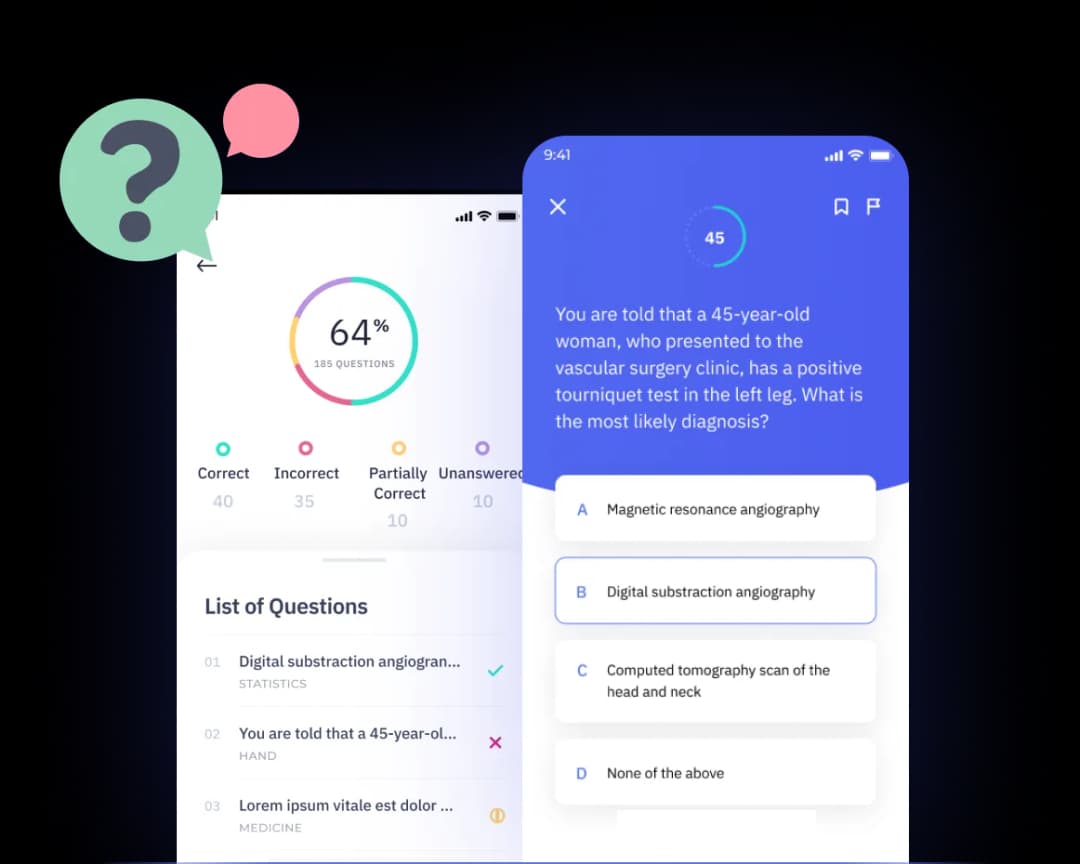
Incorporating quizzes and assessments is also crucial. Regular check-ins help track progress and reinforce learning. AI can generate quizzes that focus on areas where the learner needs improvement. Instant feedback from these assessments is vital. It provides insights into what the learner enjoys and where they need more practice, allowing for timely adjustments.
By utilizing these techniques, you can significantly enhance the learning experience for athletes and teams. This interactive coaching approach fosters deeper engagement and understanding, leading to improved performance.
To successfully implement AI coaching, focus on building dynamic, tailored programs that inspire learners to excel.
Tracking Performance and Gaining Insights
Effective analytics are key when you want to understand how to implement AI coaching. They help measure performance gains, identify skill gaps, and support continuous improvement. Here’s how to leverage data for maximum impact.
Measuring Performance Gains
To measure the success of your AI coaching, you should establish clear performance metrics. Start by defining goals for the coaching program. This will act as your baseline. Use tools that analyze past performance data alongside new insights from AI coaching.
“Measuring performance through key metrics allows coaches to set actionable goals that lead to real growth.” — Dr. Mia Mandell, Performance Analyst
Using Real-Time Analytics
Real-time analytics reveal immediate insights. They help coaches identify skill gaps more effectively and quickly. For example, if an athlete struggles with a specific technique, AI can highlight this in real-time. Coaches can then provide targeted feedback during practice.
“With real-time data, coaches can not only track progress but also pinpoint exactly where their athletes need help.” — Rebecca Shaw, AI Coaching Expert
Exporting Data for Continuous Improvement
After analyzing performance, it is essential to export these insights for future reference. Most AI coaching systems allow easy data export to Learning Management Systems (LMS). This integration supports continuous learning by linking past performance with ongoing coaching efforts.
By exporting data, teams can refine coaching strategies over time. Coaches can look at trends and adjust their approach based on what the analytics reveal.
Remember, effective coaching relies on data and interaction. The more you understand how players or teams respond to coaching, the better your sessions will become.
“To be a great coach, you must become a great data interpreter. Tools that provide deep insights make this easier.” — Sarah Lin, Data Analyst
In summary, effective tracking is vital for success in AI coaching. By using analytics, you gain the insights needed to enhance performance and fill skill gaps.
Addressing Challenges When Implementing AI Coaching
Implementing AI coaching often faces challenges that must be addressed for success.
One major hurdle is the resistance to change from traditional coaching methods. Many coaches and organizations are used to established practices. To ease this transition, focus on the benefits of AI coaching. Share success stories and examples of how AI can enhance coaching effectiveness. This can help reassure users that the technology is a valuable tool, not a replacement for human coaches.
Ensuring user buy-in and engagement is another challenge. If users do not see the value in AI coaching, they are less likely to engage. To promote engagement, provide training sessions on the AI system. Allow users to explore its features and capabilities. Encourage feedback and make adjustments based on user experiences. This creates a sense of ownership among users and helps in sustaining their commitment.
Technical challenges in system integration can also slow down the process. Ensuring seamless integration of the AI system with existing platforms is crucial. Work with IT teams during the implementation phase. Conduct tests to identify any problems that may arise. Proper planning can ease the roll-out and minimize disruptions.
It's also key to address potential biases that AI may introduce. A well-designed AI coaching system can provide impartial feedback. However, users should be educated on possible limitations and how to interpret AI suggestions effectively (Source: DILAN Consulting).
By focusing on these challenges, organizations can better understand how to implement AI coaching smoothly.
Quotable takeaway: "Awareness and education are key to overcoming hurdles in AI coaching adoption."
To effectively address challenges when learning how to implement AI coaching, consider the following key factors.
What Makes Shiken.ai Stand Out in AI Coaching?
Shiken.ai offers unique features that elevate AI coaching to new heights. Here are some of the key benefits of using this platform:
- AI-driven content creation saves up to 70% of production time. This enables coaches to focus on building engaging programs instead of getting bogged down in content assembly.
- Seamless integration with Learning Management Systems (LMS) and Learning Experience Platforms (LXP) enhances the user experience. This means you can easily deliver learning content where your team already manages training.
- Real-time analytics provide skill-gap insights instantly. Coaches can make informed decisions based on actual engagement data, allowing for quick adjustments to their training strategies.
Enhancing Engagement through Expert Prompts
Shiken.ai features an advanced Knowledge Assistant. This tool offers expert prompts that guide coaches in creating rich learning experiences. By leveraging these prompts, coaches can generate tailored content that meets the specific needs of their athletes.
Interactive Scenarios and One-on-One Coaching
The platform also includes AI role-playing scenarios. These simulations give athletes the chance to practice their skills in a safe environment. For instance, role-plays enable them to navigate various situations they might face in real life. This hands-on practice is invaluable for skill development.
With its all-in-one approach, Shiken.ai simplifies how to implement AI coaching. Coaches can create, deliver, and analyze all within one intuitive system.
Shiken.ai stands out because it does not just offer tools; it enhances the entire coaching experience. Coaches and organizations can create interactive learning environments that improve performance and boost engagement.
By harnessing these unique features, Shiken.ai ensures that AI coaching is not only effective but also engaging for athletes. Transitioning to this advanced platform can dramatically elevate your coaching practice.
Frequently Asked Questions
What is AI coaching and how does it differ from traditional coaching?
AI coaching uses artificial intelligence to enhance the coaching experience. Unlike traditional coaching, which relies on human interaction, AI coaching leverages technology to provide personalized advice and insights. This system can analyze a learner's performance and offer tailored feedback, making it efficient and scalable. It allows for real-time interaction, enabling clients to receive assistance anytime. This innovative approach can streamline the coaching process, making it more accessible to a wider audience.
How can I ensure effective user participation in AI coaching?
To promote user participation in AI coaching, focus on creating an engaging experience. Use interactive elements that encourage learners to respond and participate actively. Incorporate personalized content that resonates with their goals. You can also share success stories and feedback to build a sense of community. Real-time analytics can help track engagement levels, allowing you to adjust your strategies accordingly. Encourage questions and open communication, as this interaction boosts motivation and commitment.
What types of organizations can benefit from AI coaching?
Various organizations, including corporations, educational institutions, and startups, can benefit from AI coaching. Companies looking to upskill their teams efficiently will find it helpful. Educational organizations can integrate it into their curriculums, providing customized learning paths. Additionally, startups aiming to accelerate workflows can utilize AI coaching for quick onboarding and staff training. Any organization focused on enhancing performance through skill development can gain a competitive edge with this technology.
How do I get started with Shiken.ai's AI coaching tools?
To start using Shiken.ai's AI coaching tools, visit their website and create an account. Explore the easy-to-use platform, which offers various features for content creation and coaching. Shiken's platform allows you to design quizzes, courses, and coaching sessions tailored to your needs. You can also utilize their knowledge assistant for expert insights. For hands-on experience, consider scheduling a demo to see how the system works in real-time.
What measures can I take to track the success of my AI coaching program?
Tracking the success of your AI coaching program involves setting clear, measurable goals. Use real-time analytics to monitor participant engagement and performance. You can evaluate progress through assessments, quizzes, and feedback loops. Gathering feedback directly from participants can provide insights into what's working and what needs improvement. By analyzing these data points, you can refine your program and ensure it meets its objectives effectively.
In summary, understanding how to implement AI coaching successfully can transform both individual performance and organizational development.