How Do You Track Performance in Sales Roleplay Effectively?
Quick Summary
Discover how to track performance in sales roleplay effectively by leveraging key metrics and AI analytics to boost sales skills. Transform your training today!

Understanding Performance Measurement in Sales Roleplay

Performance measurement is the process of assessing how well salespeople perform during sales roleplay scenarios. It includes tracking various metrics that reveal strengths and weaknesses in their skills.
To effectively track performance in sales roleplay, you need to focus on key metrics. These may include call volume, conversion rates, and how well sales reps handle objections. By measuring these aspects, teams can identify where improvements are needed (Source: Blu Selection).
Measuring performance is crucial for improving sales effectiveness. When teams have clear metrics, they can adjust training strategies to better prepare their salespeople. For instance, tracking the effectiveness of roleplay practice can show how reps improve over time, especially in areas like objection handling and closing rates (Source: Sales Roleplay App).
However, performance measurement is not without its challenges. Many teams struggle with consistency in tracking metrics. Sometimes, sales reps may feel anxious during roleplays, which can affect their performance data. Additionally, interpreting results can be tricky if teams lack the right tools to analyze the data effectively (Source: Highspot).
In summary, knowing how to track performance in sales roleplay helps improve skills and overall sales results. By using clear metrics, teams can identify gaps and make informed decisions about their training programs.
"Effective performance measurement is key to unlocking sales potential."
A clear rubric turns “good effort” into “repeatable performance,” so coaching targets the exact behavior that drives results.
How Do You Track Performance in Sales Roleplay Effectively?
Tracking performance in sales roleplay becomes easier when you score specific behaviors using a consistent rubric.
Tracking performance in sales roleplay involves identifying key signals and using the right tools. Here are some effective methods to measure success:
- Question Quality: Evaluate how well sales reps ask questions. High-quality questions uncover customer needs and drive the conversation forward.
- Discovery Coverage: Assess if reps explore all relevant topics during a roleplay. Complete discovery leads to better customer engagement and more successful outcomes.
- Objection Handling: Monitor how effectively reps address objections. Handling objections well can improve closing rates by 20% or more (Source: Bigtincan).
- Clarity of Communication: Track how clearly and concisely reps convey their messages. Clarity can significantly influence customer perception and decision-making.
The Role of AI Tools
AI tools can streamline performance tracking in sales roleplay. These platforms analyze interactions in real-time. They provide data on vital performance indicators such as talk ratio and pitch clarity.
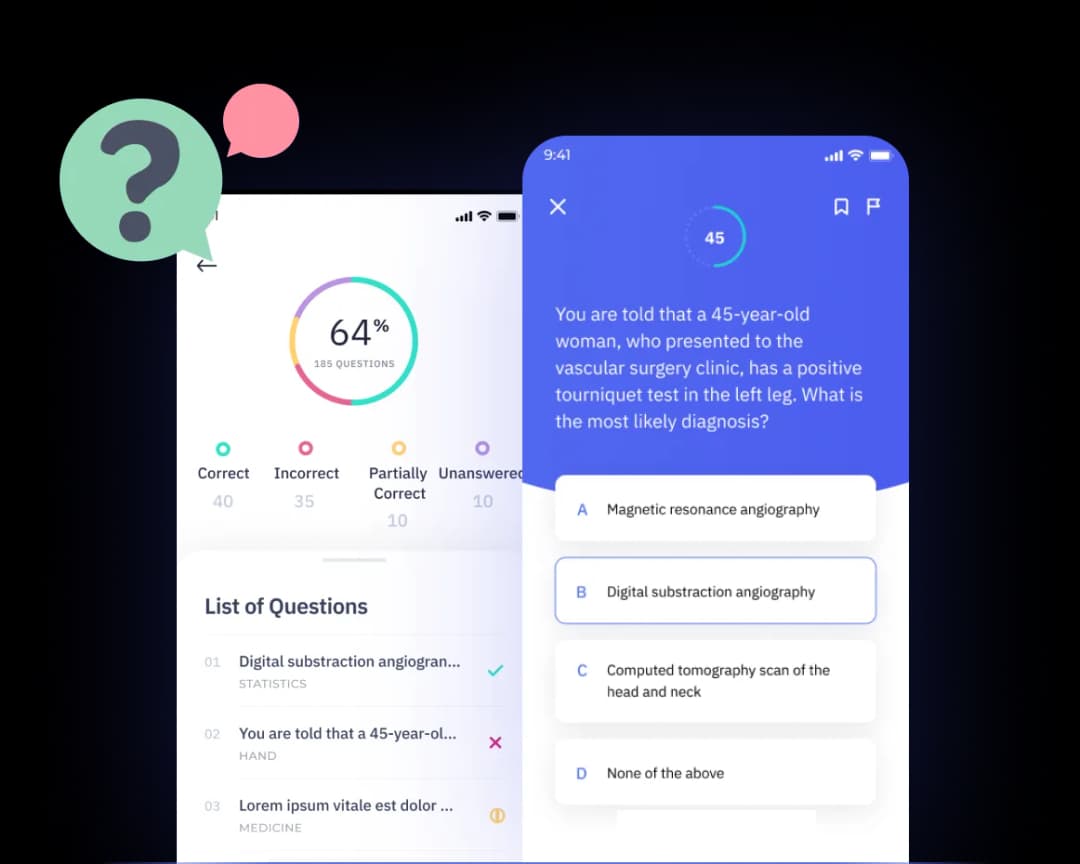
Shiken.ai uses AI to generate meaningful insights from roleplays. This helps trainers and reps see their strengths and areas for improvement instantly. For example, after a roleplay, you can check metrics related to objection handling and question quality. This evaluative process saves time and highlights skill gaps effectively.
In 2026, teams increasingly use sales performance analytics to unify qualitative coaching notes with quantitative scoring. This helps you standardize feedback across managers and sessions. It also makes comparisons fairer when roleplays differ by scenario.
According to training analytics best practices, the fastest way to improve is to score the same behaviors every time—then coach the deltas.
Practical Examples

In a practical sales training scenario, consider a rep practicing a call with a mock customer.
As they run through the roleplay, another team member can note key interactions. They may observe how well objections are handled or how thoroughly the rep covers discovery.
Afterward, the team can review the performance using tools like Shiken’s analytics. This ensures that both qualitative feedback and quantitative data inform future training sessions.
Tracking performance in sales roleplay effectively combines clear signals with innovative tools. By focusing on these aspects, teams can enhance their training and achieve better results for their sales strategies.
KPIs is the acronym for key performance indicators. KPIs is a definition you can use when your rubric ties behaviors to measurable outcomes during roleplay.
Talk ratio is a metric that compares speaking time between the rep and the prospect. Talk ratio is a definition that helps you coach discovery versus pitching balance.
Objection-resolution rate is the percentage of objections handled successfully during a roleplay. Objection-resolution rate is a definition that makes objection handling trackable.
Advantages of AI-Powered Roleplay for Performance Tracking
AI-powered roleplay helps you measure progress faster and more consistently than manual reviews alone.
Tracking performance in sales roleplay can be challenging. Sales managers often struggle to identify key skill gaps and measure progress accurately. Without precise feedback, all efforts may feel ineffective.
Traditional methods like manual reviews can be slow and subjective. This can lead to missed opportunities for improvement.
AI-powered roleplay provides a solution that enhances performance tracking significantly. These tools analyze interactions automatically, helping to pinpoint key performance indicators (KPIs).
AI systems can assess elements like question quality, discovery coverage, and objection handling. As a result, they provide data-driven insights that guide training efforts.
In real-time, trainers get feedback on each session, allowing for immediate adjustments and continuous improvement.
One of the standout benefits of AI roleplay is its efficiency. For example, AI delivers instant scoring across critical sales metrics.
This immediate response saves time and allows sales reps to focus on areas needing improvement (Source: Virtway). After each roleplay session, AI platforms can suggest personalized learning paths.
This means that training can adapt to an individual’s specific needs, making it more effective.
Performance tracking with AI also fosters better learning experiences. Sellers engage with scenarios that mirror real customer interactions.
Notably, 82% of sales managers find that immediate feedback helps close skill gaps faster (Source: Kendo AI). With AI, every interaction becomes a learning opportunity.
Sales teams receive targeted suggestions based on tracked data, turning coaching into a proactive and data-driven process.
In 2026, you can also use AI coaching insights to explain “why” behind a score. This supports consistent performance evaluation criteria across reps, even when managers have different coaching styles.
In summary, embracing AI for tracking performance in sales roleplay transforms how we train. It enhances accuracy, speeds up feedback, and tailors learning experiences. This combination is vital for measurable progress and organizational success.
The Importance of Question Quality in Sales Conversations
Question quality is a key driver of what prospects reveal, which then determines your next-best-action in the deal.
Question quality directly affects whether a rep uncovers needs and advances the conversation.
How does question quality affect closing rates in sales?
High-quality questions can significantly boost closing rates. When salespeople ask relevant and thoughtful questions, they gather important insights about the customer’s needs.
This leads to better solutions and builds trust. Research shows that effective questioning is key to transitioning from discussions to actual sales.
In fact, sales reps who ask the right questions often see higher success rates in closing deals (Source: "Sales Metrics to Track by Role - Factor 8").
What methods can evaluate question effectiveness in roleplay?
To evaluate question effectiveness during roleplay, consider these methods:
- Question Types: Identify if questions are open-ended or close-ended. Open-ended questions encourage detailed answers, while close-ended questions focus on specific points.
- Response Quality: Analyze the depth and relevance of responses from roleplay participants. A shallow answer may indicate a poorly framed question.
- Feedback Sessions: Conduct post-roleplay evaluations. Discuss what went well and what could be improved, focusing on the questions asked during the conversation.
- AI Analytics: Use AI tools to score roleplay sessions. AI can provide insights on question quality and suggest areas for improvement (Source: "Asking questions in sales: AI roleplay training guide").
In 2026, many teams track question quality scoring alongside discovery coverage to reduce “fluffy” questions. You can map question categories to outcomes, like pain discovery and decision criteria.
That way, coaching connects questions to pipeline impact.
How can sales reps improve their question formulation skills?
Improving question formulation skills can greatly enhance sales performance. Here are some practical tips:
- Practice Active Listening: Pay close attention to customer responses. This can help tailor follow-up questions effectively.
- Frame Questions Clearly: Ensure questions are straightforward and unambiguous. Complex or confusing questions can mislead responses.
- Roleplay Scenarios: Regularly engage in roleplay with varied scenarios. This practice builds confidence and skill in asking the right questions under pressure.
- Seek Feedback: Always ask for constructive feedback on your questions from peers or mentors.
Effective questioning is critical. It not only influences outcomes but also shapes customer experiences. Focus on asking better questions to boost performance in sales roleplay.
Discovery coverage is the extent to which a rep covers relevant discovery topics during roleplay. Discovery coverage is a definition that you can include in your rubric.
Leveraging Real-Time Analytics for Continuous Improvement
Real-time analytics let you adjust coaching instantly, so performance improves within the same training cycle.
Real-time analytics let you validate performance during the roleplay, not just after it ends.
Real-time analytics are powerful tools for enhancing sales roleplay performance. Using analytics dashboards during training allows teams to visualize their progress instantly.
This means trainers and participants can identify strengths and weaknesses right away, making adjustments where needed. In fact, platforms like Shiken enable users to track key performance indicators (KPIs) related to roleplay effectiveness, giving a clearer view of what works and what doesn't.
How to Use Analytics for Actionable Insights
To effectively interpret analytics and gather actionable insights, focus on a few key areas.
- Question Quality: Review how well participants frame their questions during roleplay. High-quality questions generally lead to better customer engagement.
- Discovery Coverage: Analyze how thoroughly each participant uncovers a prospect's needs. Effective discovery leads to a tailored sales approach.
- Objection Handling: Keep tabs on how well participants address customer objections. Strong performance in this area can lead to higher closing rates.
- Clarity of Communication: Ensure that trainees speak clearly and confidently. Metrics that reflect clarity can enhance customer trust.
For example, companies using AI-driven analytics have seen improvements of up to 40% in closing rates after honing in on these specific metrics (Source: AI Sales Roleplay & Coaching).
Case Studies of Success
Viewing real-time analytics in action reveals its transformative power. One company adopted an analytics dashboard powered by AI to track sales roleplay sessions.
They found that their sales reps improved their objection handling by 30% over three months. These stats were derived from performance analytics that highlighted areas for personal coaching (Source: Tracking reps' sales activities with analytics).
Such case studies demonstrate that leveraging real-time data not only addresses skill gaps but also fosters a culture of continuous improvement.
Utilizing real-time analytics in sales roleplay empowers teams to achieve measurable progress and elevate their performance effectively.
Here is a quick reference for leveraging real-time analytics to track performance in sales roleplay effectively.
In 2026, teams also use call scoring to compare sessions across reps and time periods. This improves coaching consistency because the rubric drives who gets coached for which skill.
Integrating Performance Metrics into Your Learning Management System (LMS)
Connecting roleplay scores to an LMS turns practice into tracked learning outcomes.
Connecting performance metrics into your LMS makes roleplay measurement operational, not just informational.
Integrating performance metrics into your Learning Management System (LMS) is essential for efficient training. This connection allows for a seamless approach to both learning and analysis.
To track performance effectively, consider the following options for integration:
- API Connections: Many LMS platforms offer Application Programming Interfaces (APIs). These can sync real-time data from roleplay activities directly into your system.
- Data Uploads: You may also manually upload performance data as CSV or Excel files. This method is simple but may require regular attention.
- Built-in Tools: Some LMS platforms have built-in features specifically designed for performance tracking. Explore these tools to see if they meet your needs.
A unified platform offers several benefits. First, it streamlines both training and performance evaluation. This means you gather metrics effortlessly, leading to better decision-making.
Additionally, it fosters accountability among team members since progress is visible in one location (Source: Thinkific).
Steps to Set Up and Evaluate Data
- Define Metrics: Identify the specific performance indicators you want to track, such as sales pitch quality or objection handling. These details will guide your integration choices.
- Choose Integration Method: Decide which method fits your organization best—APIs, uploads, or built-in tools. Each option has different requirements and capabilities.
- Input Data: Enter the defined metrics into your LMS regularly. Ensure that your team knows how to input and access this data.
- Analyze Results: Use your LMS analytics features to assess trends. Analyze what works and what needs improvement in real time.
Taking these steps can help you answer the question: how do you track performance in sales roleplay effectively. A connected approach leads to measurable and actionable insights for continuous improvement.
“Linking metrics to your LMS sets the stage for growth, ensuring every roleplay leads to real performance gains.”
In 2026, using Learning Management System dashboards also helps you run skill-gap reporting. That way, you can see which reps need practice on talk ratio, discovery coverage, or objection handling.
Frequently Asked Questions
Frequently Asked Questions
What are the best practices for sales roleplay assessments?
To effectively assess sales roleplays, use consistent metrics like talk-to-listen ratio and objection-resolution rate. These metrics offer insights into a salesperson's ability to engage customers and handle objections.
Recording sessions can provide unbiased feedback. Encourage participants to reflect on their experiences and connect roleplay to real calls. This makes the practice more relevant and beneficial (Source: 12 Sales Roleplay Scripts & Exercises for Closers).
How can I improve the effectiveness of my sales training?
To boost training effectiveness, incorporate interactive elements like AI-driven roleplays that simulate realistic scenarios. Use feedback not only to critique but also to build confidence and skills.
Engaging with real-life scenarios allows for more productive training sessions. This approach helps participants relate their learning to their performance on actual calls, promoting better retention and skill application (Source: Sales Role-Play Training).
What tools can assist in tracking sales performance?
Utilizing AI-powered tools can streamline the tracking of sales performance. These tools provide real-time analytics and custom metrics tailored to your needs.
Platforms like Shiken.ai can combine assessment and analytics, making data easily accessible for improvement. They allow you to focus on essential skills like question quality and listening ratios, ensuring that tracking is meaningful and actionable.
How often should performance be evaluated during training?
Performance should be evaluated regularly throughout the training process. Ideally, feedback should be given immediately after roleplays, allowing for quick adjustments.
Weekly or biweekly check-ins can ensure ongoing development. Consistent evaluations help reinforce skills and track progress over time, making it easier to identify areas needing improvement.
What role does feedback play in improving sales skills?
Feedback is crucial for skill development in sales. It helps identify strengths and weaknesses, fostering a growth mindset.
Constructive feedback allows salespeople to understand what to keep doing and what to change. Encouraging a culture of open communication plays a significant role in enhancing overall team performance.
As salespeople receive insights, their skills become sharper, leading to better outcomes.
In summary, understanding how do you track performance in sales roleplay involves consistent evaluation, effective tools, and constructive feedback. This holistic approach not only tracks progress but also enhances skill development.
Key Takeaways
- Performance measurement in sales roleplay is about tracking repeatable behaviors (question quality, discovery coverage, and objection handling).
- Use sales performance analytics and call scoring to standardize feedback across reps and sessions.
- Turn analytics into action by focusing on a few high-impact KPIs during each roleplay.
- Integrate roleplay outcomes into your Learning Management System (LMS) so progress is visible and coaching is measurable.
- In 2026, teams benefit from real-time analytics to adjust coaching immediately, not weeks later.
- AI tools like Shiken.ai can help you track performance faster while supporting consistent coaching rubrics.