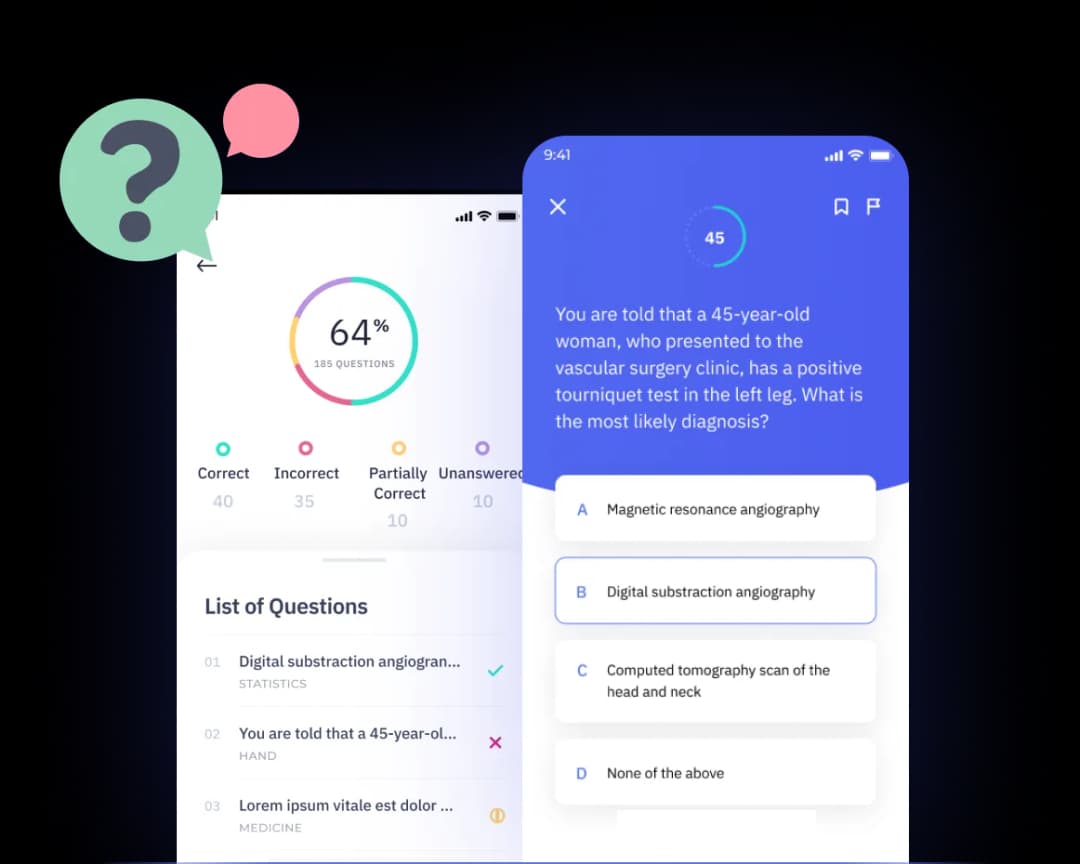
Corporate Learning Tools FAQ: Essential Insights for Success
Quick Summary
Discover essential insights in our Corporate Learning Tools FAQ. Learn how to enhance your training strategy for a more skilled workforce. Dive in now!

Understanding Corporate Learning Tools

Corporate learning tools are platforms or resources designed to train employees and enhance their skills. They play a crucial role in the modern workplace by facilitating various forms of education and training. These tools help employees learn efficiently, keeping them engaged and improving overall performance.
In today’s fast-paced business landscape, integrating effective learning tools is vital. They provide companies with a structured approach to training that adapts to the needs of their workforce. By using these tools, businesses can ensure that employees acquire new skills that align with industry demands.
Significance of Corporate Learning Tools
Using corporate learning tools can dramatically boost workplace performance. They help to create a more knowledgeable workforce, ready to tackle challenges and innovate. Employees who undergo proper training tend to be more productive, engaged, and agile in adapting to change.
The benefits of integrating these tools into training programs include:
- Enhanced knowledge retention: Employees learn and remember information better through interactive content.
- Cost-effectiveness: AI-powered platforms, like Shiken, can reduce content creation time by up to 70%, making training more efficient.
- Flexibility in learning: Learners can access training anytime and anywhere, fitting their schedules.
Overall, learning tools foster an environment that promotes growth and development within an organization. They not only empower employees but also contribute to achieving business objectives.
A recent study emphasized that investing in training resources leads to a more adaptable and skilled workforce (Source: What Is Corporate Learning?).
To summarize, effective corporate learning tools are key to improving employee training and driving success in any business. Empower your team with the right tools for better training outcomes.
Key Features of a Learning Management System (LMS)
When choosing a Learning Management System (LMS), it's essential to understand the key features that create effective corporate learning tools. Here are the must-have elements every LMS should provide:
- Customization options allow for personalized learning experiences. Each employee has unique learning needs. An LMS that offers customization helps to align training with those needs, leading to better engagement and performance.
- Robust reporting and analytics capabilities track employee progress. Research shows that 87% of companies believe that data-driven insights improve training effectiveness (Source: Cornerstone). Real-time analytics help managers identify skill gaps and assess the impact of training.
- Integration with existing corporate systems provides seamless usage. An LMS should work well with other corporate tools, such as HR systems or communication platforms. This connectivity streamlines operations and enhances the learning experience.
Customization for Personalized Learning

Customization stands out as a vital feature. Personalized learning paths can significantly boost engagement. Tailoring content to meet individual employee needs helps them achieve their goals more effectively.
Reporting and Analytics
Next, reporting and analytics are essential for tracking progress. Companies need to see how employees are advancing through their training. With strong analytics, organizations can pinpoint which areas require more focus, thus refining training initiatives.
Seamless Integration
Lastly, integration with existing tools creates a smoother experience. Employees spend less time switching between platforms and more time learning. By connecting various systems, an LMS fosters a comprehensive training ecosystem.
In the ever-evolving corporate landscape, selecting the right LMS is key to upskilling your workforce successfully. Effective corporate learning tools FAQ highlights these features as essential for driving results.
How AI is Transforming Corporate Training
In traditional training, creating content and developing programs can take weeks or months. Companies often struggle to keep training relevant and engaging. As a result, employees may not fully absorb or apply what they learn. This creates skill gaps and can hinder overall performance in the workplace.
AI-driven corporate learning tools offer a solution. These tools can help companies create high-quality training content quickly, often reducing production time by up to 70%. With AI, organizations can develop quizzes, interactive courses, and role-playing scenarios faster than ever. This saves time and ensures that training materials stay current and effective. Enhancing Business Strategy with AI:...
AI also enables personalized learning paths tailored to each employee's needs. By analyzing learning patterns and performance, AI can recommend the best courses and materials for each individual (Source: "AI in Corporate Training"). This approach addresses diverse learning styles, whether someone is a visual learner or prefers hands-on training (Source: "The Impact of AI on Corporate Training"). By personalizing the learning experience, companies can boost engagement and knowledge retention.
Role-playing scenarios are another significant enhancement brought by AI. These immersive experiences allow employees to practice real-world situations in a safe environment. Through AI, teams can engage in simulations that replicate customer interactions or complex problem-solving tasks. This hands-on approach helps to solidify skills and build confidence.
Incorporating AI into corporate training transforms not just the content but the overall learning experience. It enhances efficiency, customization, and engagement. By leveraging these tools, organizations can realize better training outcomes and drive performance.
Using AI in training creates smarter, more efficient learning. It’s a game-changer for corporate upskilling.
Comparing Corporate Learning Platforms: What to Look For
Choosing the right corporate learning platform can be daunting. Here’s a comparison of key features to consider when hunting for the perfect fit.
Bottom Line: Choose a platform that prioritizes usability, diverse content delivery, and excellent support.
Usability and Accessibility
Your chosen platform should be user-friendly for everyone. Ensure that employees can easily navigate it using any device. Shiken excels in this area with its intuitive design and mobile compatibility. Competitor A has a moderately easy interface but lacks mobile access, limiting flexibility for users on the go. If your employees face usability hurdles, training could also suffer.
Content Delivery Methods
Consider how content is delivered. Shiken offers interactive, voice-powered formats that engage learners more effectively than traditional methods. Competitor B focuses solely on text-based materials, which could disengage users. Modern training needs to be dynamic. Look for platforms that offer various formats, such as videos, quizzes, and simulations. This diversity keeps learners engaged and supports different learning styles.
Support and Resources
A solid support system is vital during the entire training process. Shiken provides round-the-clock assistance and a wealth of resources, helping users maximize the platform’s potential. Competitor A’s limited support could be a roadblock, stranding users with questions. Ensure your chosen platform offers accessible support to enhance your corporate training experience and increase your learning ROI.
In summary, a corporate learning platform should be user-friendly, provide diverse content formats, and offer strong support. Investing time in this initial evaluation ensures an effective training program that boosts employee skills and confidence.
Frequently Asked Questions About Corporate Learning Tools
What types of content can be created with corporate learning tools?
Corporate learning tools enable users to create various types of content. This includes quizzes, interactive courses, roleplays, and coaching materials. Platforms like Shiken allow for voice-powered learning, making the content even more engaging. Users can personalize content to meet specific training needs. The flexibility in content creation helps teams address diverse learning styles and goals. By utilizing these tools, organizations can ensure that employees receive tailored learning experiences that enhance skill development.
How do corporate learning tools facilitate compliance training?
Corporate learning tools simplify compliance training by offering streamlined content delivery and tracking. These platforms provide real-time updates to training materials that reflect regulatory changes. Learners can access this content anytime, ensuring they stay informed. Reporting features track completion rates, helping organizations monitor compliance efforts effectively. Shiken's analytics also allow users to identify knowledge gaps, enabling proactive interventions. This approach not only maintains compliance but also fosters a culture of continuous learning.
What reporting features should a corporate LMS include?
A corporate LMS should include key reporting features such as completion rates, assessment scores, and user engagement metrics. These reports should offer insights into learners’ progress and performance. Real-time analytics help identify skill gaps, allowing for targeted training interventions. Additionally, exporting data into various formats is essential for easy sharing with stakeholders. Shiken offers robust reporting tools that consolidate this data, ensuring companies can make informed decisions regarding their learning strategy.
Can these tools be integrated with other business systems?
Yes, most corporate learning tools can be integrated with other business systems. This includes HR software, talent management applications, and CRM systems. Integrations help streamline workflows, making it easier to manage training data across platforms. Shiken supports easy integration with existing LMS and LXP systems, enhancing usability. As a result, organizations can maintain a cohesive learning environment that leverages data from multiple sources, improving overall efficiency.
What types of support are typically available for corporate learning platforms?
Support for corporate learning platforms can vary widely, but common types include technical assistance, user training, and resource documentation. Many vendors offer 24/7 help desks via chat or email. Shiken, for instance, provides comprehensive onboarding and ongoing education for users. Moreover, platforms may feature community forums where users can share insights and solutions. Access to these support options ensures that organizations maximize the benefits of their learning tools.
Takeaway: Understanding these aspects of corporate learning tools FAQ can help organizations choose the right platform for their training needs.
Ensuring Compliance in Corporate Learning Systems
Compliance in corporate learning systems is crucial for organizations to meet regulatory requirements. Corporate learning tools play a significant role in ensuring this compliance by offering essential features for tracking and reporting.
With built-in compliance tracking, organizations can easily monitor employee training progress. These tools provide detailed reports that show who has completed required training. They also help manage certifications, sending automatic reminders for renewals. This automation ensures employees stay compliant without manual tracking (Source: Absorb LMS Software).
The Importance of Ongoing Training
Ongoing training is key to maintaining compliance. Regulations often change, and corporate learning tools ensure that training content stays up-to-date. This adaptability minimizes the risk of non-compliance, which can lead to costly penalties for businesses (Source: Disprz).
Using an LMS enables organizations to deliver refresher training swiftly. Employees can access new content as soon as it’s available. This ensures that the entire workforce understands current regulations. Scenario-based learning, where employees practice handling compliance issues, enhances retention and understanding (Source: Dayone Tech).
Staying Updated with Regulations
Corporate learning tools provide a centralized place for training materials. By using these systems, companies can ensure that their employees have the latest information. An up-to-date LMS allows businesses to share relevant regulatory changes immediately. This ability helps create a culture of continued learning and compliance (Source: Access Learning).
When paired with AI-driven content creation, training becomes more efficient. Shiken’s platform can generate relevant training materials quickly—up to 70% faster than traditional methods. This speed ensures compliance training is always fresh and relevant.
In summary, corporate learning tools are vital for meeting regulatory requirements. They automate compliance management, provide ongoing training, and keep content up-to-date.
Takeaway: Leveraging the right corporate learning tools can transform compliance management into a seamless, effective process.
Best Practices for Effective Corporate Learning Strategies
To maximize the impact of corporate learning tools, consider these best practices that promote effective training strategies.
- Create engaging and interactive training content. Research shows that interactive content can increase retention by up to 75%. Incorporate quizzes, videos, and hands-on activities to enhance the learning experience.
- Leverage analytics to measure effectiveness. Use data analytics to track how well training meets its goals. Analyzing completion rates and learner feedback allows organizations to improve future training. Such insights can help identify skill gaps too.
- Encourage a culture of continuous learning. Companies that support ongoing education see 37% better productivity. Providing resources and time for employees to upskill fosters engagement and drives overall performance.
Incorporating innovative methods, like gamification, can also enhance training. Consider blending online and in-person sessions for a more comprehensive approach (Source: ARCHway Learning Solutions).
To summarize, successful corporate learning involves engaging content, data-driven evaluation, and nurturing an environment supportive of continuous growth. Implementing these strategies ensures that corporate learning tools FAQ are addressed and leveraged effectively, leading to measurable improvements in workforce skills and productivity.