Why Are Learning Programs Not Improving Performance After AI Training?
Quick Summary
Discover why learning programs are not improving performance after AI training and how to enhance your approach. Unlock effective strategies for better results

Understanding AI Training and Its Limitations

AI Content Creation is the process of teaching machines to improve their performance by learning from data. Although it has great potential, many learning programs struggle to deliver real results. This leads to a common question: why are learning programs not improving performance after AI training?
AI training technologies include machine learning, natural language processing, and data analytics. These methods can process vast amounts of information quickly. However, a major misconception is that simply using AI will enhance learning outcomes. Research shows that many programs prioritize content creation over genuine skill development. As a result, the material might be engaging but does not lead to improved performance (Source: Why Most AI Learning Initiatives Fail Before They Start).
“The fastest way to waste an AI budget is to confuse content volume with capability building.” — an insight commonly emphasized across L&D transformation research.
Common Shortcomings of AI Training
AI training often falls short due to several key factors. Many organizations focus only on theoretical knowledge instead of hands-on practice. A study found that companies lose up to 40% of potential returns on AI projects because of inadequate training (Source: Why AI Training Is Failing — and What Hands-On Learning Gets Right).
Furthermore, training programs may lack adequate assessments and reinforcement. Companies often track only completion rates, not actual performance improvements. In a recent survey, only 32% of leaders reported seeing significant changes from their training efforts (Source: Why Traditional Training Fails and Where AI Training Platforms Actually Work - apty).
Organizations must create training that bridges theory and application, helping individuals see how AI fits into their daily tasks. Without this connection, employees may struggle to translate AI knowledge into meaningful action.
In 2026, many teams are still running “one-and-done” learning cycles, so knowledge doesn’t transfer to performance. If your AI training isn’t embedded into workflows, it becomes an event instead of a capability.
Understanding why learning programs are not improving performance after AI training can guide companies toward better solutions that truly enhance skills and results. "Effective training connects theory and practice, transforming knowledge into performance."
Assessing Learning Program Effectiveness
Understanding the key indicators of an effective training program is crucial. Here are essential aspects to consider.
- Define Performance Metrics Clearly: Establishing concrete performance metrics ensures that training outcomes are measurable. Clear statistics can help determine if learning leads to improved performance.
- Align Training Objectives with Business Outcomes: Training should connect directly to the company’s goals. A study found that 26% of business leaders struggle to report the ROI of training programs (Source: DataCamp). This highlights the need for alignment.
- Identify Common Flaws in Assessments: Many programs mistakenly evaluate user satisfaction instead of actual performance. This can create a perception-performance gap, leading to misguided decisions (Source: MDPI).
Importance of Performance Metrics

In training contexts, performance metrics serve as benchmarks. They help organizations understand if their training is effective or not. For instance, a well-designed program might aim for a 15% increase in sales after training, while a poorly defined program may lack any specific target.
Performance measurement must include both “assessment scores” and “job outputs.” Otherwise, you can end up with confident learners and unchanged KPIs.
Aligning Training with Business Goals
Effective training should support the organization's mission. For example, if a tech company aims to enhance customer service, the training should focus on related skills. This direct alignment can facilitate better tracking of the program’s success, ultimately answering the question of why are learning programs not improving performance after AI training.
Common Assessment Flaws
One major flaw many organizations face is examining only learner engagement and satisfaction. While these are valuable, they do not reflect real-world performance improvements. This misalignment can hinder the proper assessment of training programs.
Key indicators can help team leaders create and refine an effective learning environment. Properly defined metrics and aligned objectives can greatly improve training outcomes and add measurable value to organizations. By addressing these common flaws, businesses can better evaluate and enhance their training programs.
Why Are Learning Programs Not Improving Performance After AI Training?
A strong training system improves performance only when learning is measurable and reinforced in real work.
Many companies are frustrated by their learning programs. They invest in AI training but see little change in employee performance. This raises the question: why are learning programs not improving performance after AI training? There are several key reasons for this problem.
First, a primary issue is content alignment. Learning materials often do not match employees' roles or daily tasks. When training feels irrelevant, learners disengage. Research shows that training should bridge theory and practice. Employees need to see how AI can solve specific problems in their work (Source: "The AI Learning Gap"). If learning does not connect with real-world situations, its impact is limited.
Another challenge comes from weak assessment designs. Many assessments fail to accurately measure what employees have learned. If assessments are just checkbox quizzes, they won't capture true understanding. Reports suggest that many AI learning systems still rely on generic templates that fail to evaluate organizational patterns effectively (Source: "Why Most AI Learning Implementations Plateau After 6 Months"). Without valid assessments, teams can’t know whether skills have been acquired.
Finally, the lack of ongoing reinforcement is a significant barrier. Once training ends, employees often forget what they learned without practical application. Research highlights that effective learning needs continuous reinforcement to stick. Role-playing scenarios and coaching can be vital in making new skills part of daily work life (Source: "Why AI Training Is Failing").
“Without reinforcement and feedback, AI training becomes information delivery—not skill formation.”
To improve performance, organizations must ensure alignment between training content and actual job tasks, design strong assessments, and provide ongoing practice opportunities. Without these foundations, progress will remain stalled.
Takeaway: For learning programs to succeed, they must connect content to real-world tasks, accurately assess learning, and reinforce skills over time.
The Role of Data Analytics in Learning Programs
Data analytics improves training performance when it turns learner activity into decisions and actions.
Key stat: 60% of organizations do not use data analytics effectively for learning and development. This means many programs may not achieve their full potential (Source: Katama Learning).
Data analytics play a crucial role in enhancing the effectiveness of training programs. To ensure learning leads to improved performance, real-time analytics must be integrated into the training process. Without this timely data, instructors might miss critical insights that can refine their teaching methods.
Benefits of Real-Time Analytics
Real-time analytics allow organizations to:
- Monitor learner engagement and performance as it happens.
- Quickly identify skill gaps that need to be addressed.
- Adjust training content based on what learners struggle with most.
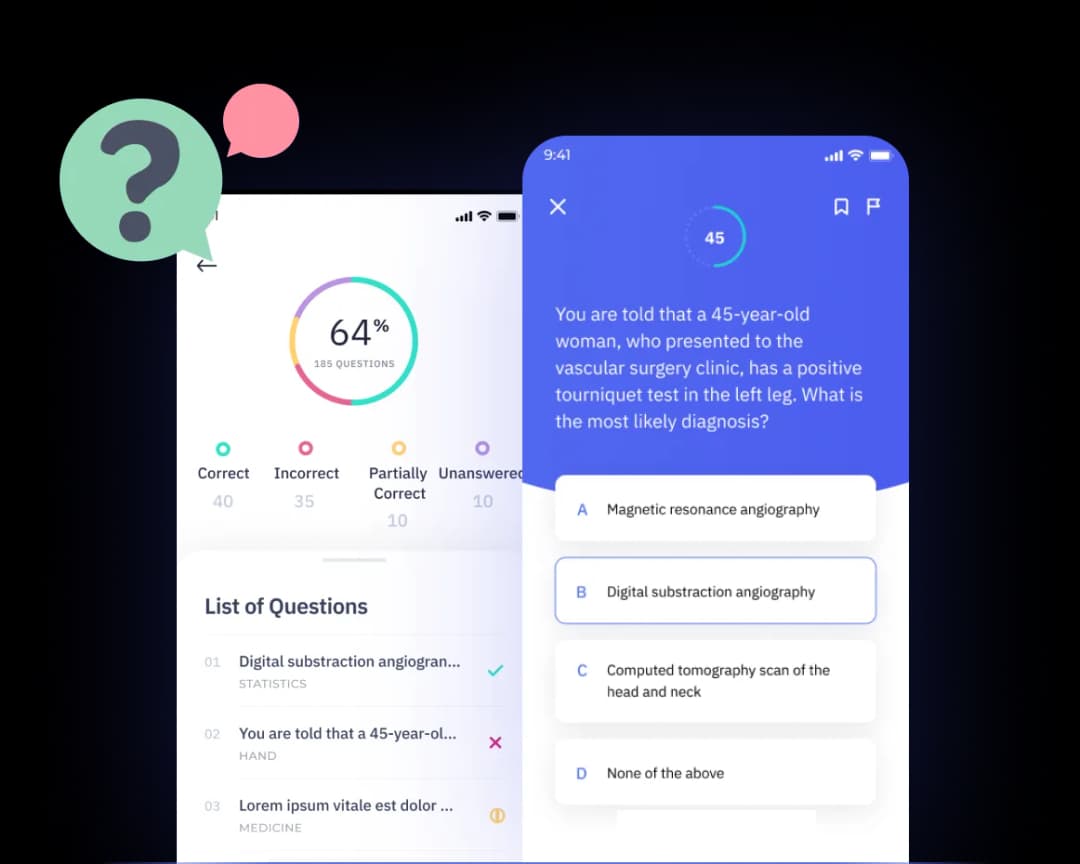
Shiken’s platform is designed to provide actionable insights. By tracking learner progress, Shiken helps identify knowledge areas that require more focus. This immediate feedback loop is vital in answering the question: why are learning programs not improving performance after AI training?
As of 2026, the shift is toward “learning analytics” that measure transfer, not just time-on-platform.
Importance of Tracking Skill Gaps
Tracking skill gaps is essential for tailoring training interventions. Research shows that trends in learning data over time reveal more than one-time reports (Source: Disprz). Continuous monitoring gives educators a clearer picture of learning patterns and behaviors.
With Shiken, the analytics features provide:
- Data on individual and team performances.
- Reports on areas needing attention.
- Longitudinal data to analyze trends over time.
These insights empower organizations to allocate resources effectively and enhance teaching outcomes (Source: Springer Nature).
In summary, effective data analytics in learning programs is key to overcoming the stagnation seen in many training initiatives. By embracing real-time data, Shiken helps teams solve the puzzle of why learning programs are not improving performance after AI training. Data isn't just numbers; it’s the foundation for growth and learning success.
Enhancing Engagement Through Interactivity
Interactivity drives performance gains when learners practice under realistic constraints, not just consume content.
Interactive content can significantly boost learner engagement. By incorporating elements like voice-enabled role-plays and personalized learning paths, organizations can address the question: why are learning programs not improving performance after AI training?
The Value of Voice-Enabled Role-Plays
Voice-enabled role-plays create realistic scenarios for learners. These simulations allow users to practice skills in a safe environment. For example, a sales professional can role-play with a virtual customer to improve their pitch. Research shows that experiential learning through role-plays is more effective than traditional methods. This is because role-plays mimic real-life situations and encourage active participation (Source: Evaluating the Effectiveness of AI-Supported Digital Training). By engaging with realistic scenarios, learners can retain information better and apply what they’ve learned.
Term is experiential learning: learning through doing in simulated, practice-based scenarios. When AI training uses experiential learning, transfer to job performance improves.
Personalized Learning Paths
Learning pathways tailored to each individual’s needs help maintain motivation and interest. When training programs adapt to the learner's pace and provide relevant content, dropout rates decrease. For instance, Shiken's platform can adjust quizzes and lessons based on individual performance. This personalization leads to a learning experience that feels more relevant and engaging. In fact, studies indicate that personalized learning can increase learner engagement by up to 46% (Source: AI in L&D).
Feedback Loops with Quizzes and Coaching
Feedback plays a crucial role in learning. Incorporating quizzes and personalized coaching creates a dynamic feedback loop. After completing a quiz, learners receive instant feedback on their performance. This helps identify areas for improvement. Additionally, coaching sessions can provide targeted guidance based on quiz results. According to research, consistent feedback and coaching can enhance knowledge retention by up to 30% (Source: The AI Learning Gap). This loop encourages learners to keep practicing, which is essential for translating training into performance.
Interactive and personalized learning through Shiken can help answer the key issue: why are learning programs not improving performance after AI training? By engaging learners effectively, organizations can achieve better results.
Importance of Learning Reinforcement
Learning reinforcement is what turns trained knowledge into retained skills you can observe at work.
Learning reinforcement is the process of regularly practicing skills or concepts to improve retention. Without this reinforcement, learners can quickly forget what they’ve been taught. This phenomenon is known as the forgetting curve. This curve shows that information can fade dramatically if not revisited. Research suggests that without ongoing support, up to 80% of training material can be forgotten within a month (Source: The Hidden Costs of Optimization).
To ensure lasting knowledge and improved performance, training programs need to weave in reinforcement strategies. Here are some effective methods:
- Short, frequent training sessions: Instead of long sessions, shorter intervals help reinforce learning without overwhelming participants.
- Regular assessments: Quizzes and tests can gauge understanding and encourage revisiting difficult topics.
- Real-world applications: Provide opportunities for learners to apply their knowledge in real work scenarios.
- Peer coaching: Collaboration with peers can reinforce learning through discussion and shared experiences.
Ongoing support translates to measurable gains in performance. When learners receive continual feedback and reinforcement, they are more likely to retain information and apply it effectively. AI tools can play a vital role here. For instance, Shiken’s platform helps integrate reinforcement seamlessly into learning paths. By addressing the why are learning programs not improving performance after AI training, organizations can create an environment of continuous learning.
Incorporating regular reinforcement transforms training from a one-time event into an ongoing journey. This approach not only strengthens retention but also boosts confidence and competence over time.
"A well-reinforced learning experience leads to lasting knowledge and improved performance."
In 2026, teams that operationalize spaced reinforcement are seeing fewer “post-training drop-offs.” This is usually reflected in better follow-up assessments and improved day-to-day quality.
Here is a summary of the critical factors influencing why learning programs are not improving performance after AI training, emphasizing the importance of learning reinforcement.
Common Failures in Learning Implementation
Most AI training stalls because execution fails across alignment, support, and feedback.
When deploying AI training solutions, organizations often encounter pitfalls that lead to disappointing outcomes. Understanding these failures is key to improving program effectiveness.
- Training content often does not align with audience needs. If learning materials aren't tailored to specific roles, employees may struggle to apply what they learn. Research shows that broad training can leave participants feeling adrift in their day-to-day tasks (Source: AI Training Failing? 4 Reasons Why).
- Lack of support and follow-up stunts progress. After training, ongoing support is crucial for retention. Without it, employees might forget essential lessons. Studies find that performance can plateau as early as six months without reinforcement (Source: Why Most AI Learning Implementations Plateau After 6 Months).
- Ignoring learner feedback leads to missed opportunities. If organizations fail to gather insights from users, they risk repeating the same mistakes. Learner feedback is vital for making necessary adjustments. Surveys indicate that programs incorporating this feedback can see up to 50% better engagement rates (Source: Why Most AI Learning Initiatives Fail Before They Start).
So what breaks performance after AI training? Usually it’s not AI itself; it’s the way learning is designed, measured, and reinforced for transfer.
By addressing these common failures, companies can discover why learning programs are not improving performance after AI training. Each element plays a role in either driving success or contributing to stagnation. Recognizing and correcting these issues can transform training outcomes, leading to a more engaged and effective workforce.
Frequently Asked Questions
What are the key factors for successful AI training?
The key factors for successful AI training include clear goals, relevant content, and ongoing support. Well-defined objectives help ensure that training aligns with actual job requirements. Relevant content keeps learners engaged and aids retention. Furthermore, continuous support, including feedback and resources, ensures that learners apply what they’ve learned effectively.
How do I measure the effectiveness of my training programs?
You can measure the effectiveness of your training programs by analyzing performance metrics, feedback, and learner behavior. Use assessments to gauge knowledge retention. Surveys can also offer insights into learner engagement and satisfaction. Shiken provides real-time analytics, allowing you to track skill gaps and learning progress easily. This can help answer why learning programs are not improving performance after AI training.
Why is reinforcement crucial after AI training?
Reinforcement is crucial because it helps solidify learning and encourages skill application. Studies show that spaced repetition and ongoing practice enhance retention. Without reinforcement, learners may forget skills or knowledge over time. Programs that include timely refreshers not only boost confidence but also ensure that AI training translates into real-world performance improvements.
What role does feedback play in learning enhancement?
Feedback plays a significant role in learning enhancement. It provides learners with valuable insights into their progress and areas for improvement. Constructive feedback encourages reflection and helps learners adjust their approach. In a supportive environment, learners are more likely to engage and apply concepts. Shiken’s platform promotes immediate feedback through quizzes and interactive scenarios.
How does Shiken's analytics improve training outcomes?
Shiken's analytics improve training outcomes by providing detailed insights into learner performance and development. With real-time data, organizations can identify skill gaps quickly and adjust training content accordingly. This allows for more effective personalization of learning paths. In turn, it addresses the reasons why learning programs do not improve performance after AI training.
Understanding these factors makes it easier to implement effective training strategies, ensuring lasting benefits from AI-driven programs.
Frequently Asked Questions (Additional)
Why do “AI training completions” fail to improve performance?
Completion rates can rise while job outcomes remain unchanged because completion is not the same as capability. If your assessments measure recognition instead of execution, learners may feel confident without being able to apply AI skills. In 2026, high-quality training tracks both assessment performance and workplace transfer.
How can interactive training reduce the performance gap after AI training?
Interactive training reduces the gap when it creates safe practice with realistic feedback loops. Voice-enabled role-plays, simulations, and scenario-based coaching help learners rehearse under constraints similar to daily work. When these interactions are tied to analytics, you can adjust content based on observed skill gaps.
Key Takeaways
- Alignment wins: Training must map to roles, workflows, and real problems, not just AI concepts.
- Measure transfer: Track business KPIs and job outputs, not only satisfaction or completion.
- Reinforcement matters: Use spaced practice and ongoing support to counter the forgetting curve.
- Use learning analytics: Real-time data helps you identify skill gaps and update instruction quickly.
- Increase practice realism: Interactivity (including voice-enabled role-plays) improves application under real constraints.
- Feedback loops are essential: Quizzes and coaching create actionable improvement cycles.
- In 2026, “capability building” beats content delivery: Treat AI training as an operational system, not a one-time program.