The Learning Experience: 5 Key Benefits Explained
Quick Summary
Discover the key benefits of "the learning experience" for early childhood education. Enhance skills and create an engaging, inclusive environment. Explore now!

Understanding the Learning Experience

The learning experience is the overall journey that a learner undergoes during education. This journey is shaped by various factors, creating a rich and engaging environment. A holistic setting includes every aspect, from the curriculum to the interactions with educators and peers.
In a holistic learning environment, the focus is on the whole learner. This means paying attention not just to facts and figures but also to emotions and social connections. When learners feel valued and included, they engage more deeply. Engaging learners isn’t just about presenting information. It involves creating interactive experiences that stimulate curiosity and motivate learners to explore.
Educators play a vital role in enhancing the learning journey. They help to create a supportive atmosphere where learners can ask questions and explore ideas. Effective teachers understand the needs of their students and can adapt their teaching methods. Through various strategies, they foster critical thinking and creativity, making the material relevant to real-life situations.
For instance, experiential learning—learning through doing—has shown to be especially impactful. It involves reflection and feedback, allowing learners to understand their strengths and areas for improvement (Source: Experiential learning - Wikipedia).
Key elements that enhance the learning experience include:
- Engaging content that captures interest
- Strong relationships between teachers and students
- Opportunities for collaborative learning
Ultimately, the learning experience is about creating a space where learners can grow, reflect, and thrive. A positive learning experience motivates individuals to continue seeking knowledge throughout their lives.
“Learning isn’t just about what you learn; it’s about how you learn and the experiences that shape you.”
Benefits of Play in Early Childhood Learning
Play is not just fun; it plays a crucial role in shaping the learning experience for young children. Here are some key benefits of play in early childhood learning:
- Play helps children develop cognitive skills. Through play, children can experiment and solve problems, helping boost their critical thinking abilities.
- Social skills blossom through interactive play. Children learn to communicate, share, and collaborate while playing with their peers, paving the way for better social interactions.
- Engaging curriculums stimulate learning. Educators can design curriculum that incorporates play, creating an inviting environment where children are eager to learn (Source: HeadStart.gov).
- Structured play can enhance development. By providing guided play experiences, educators can tailor learning to meet specific developmental goals, ensuring that children absorb key concepts.
- Play boosts motivation and focus. According to research, children are more likely to engage deeply in their learning when it involves hands-on, playful activities (Source: NAEYC).
Examples of Effective Play-Based Learning Activities
- Role-playing scenarios immerse children in real-life situations. This method allows them to practice language and problem-solving in a fun way.
- Building with blocks fosters creativity and math skills. As children stack and arrange blocks, they explore concepts like balance, shapes, and symmetry.
- Nature scavenger hunts teach observation skills. Finding different items outdoors helps children learn about their environment while engaging their curiosity and teamwork.
- Art projects develop fine motor skills. Activities like painting and crafting encourage hand-eye coordination and self-expression.
- Music and movement activities enhance coordination. Dancing to music not only improves physical skills but also promotes social bonding through group participation.
Integrating play into early childhood learning makes the learning experience richer and more effective. As children enjoy themselves, they discover new skills and develop a love for learning.
Enhancing Skills Development Through Interactive Learning

In today’s fast-paced world, traditional learning methods often fall short. Many learners struggle with engagement and retaining information. Rote memorization and passive learning can hinder critical thinking and creativity. To truly enhance the learning experience, we need a shift towards more dynamic approaches.
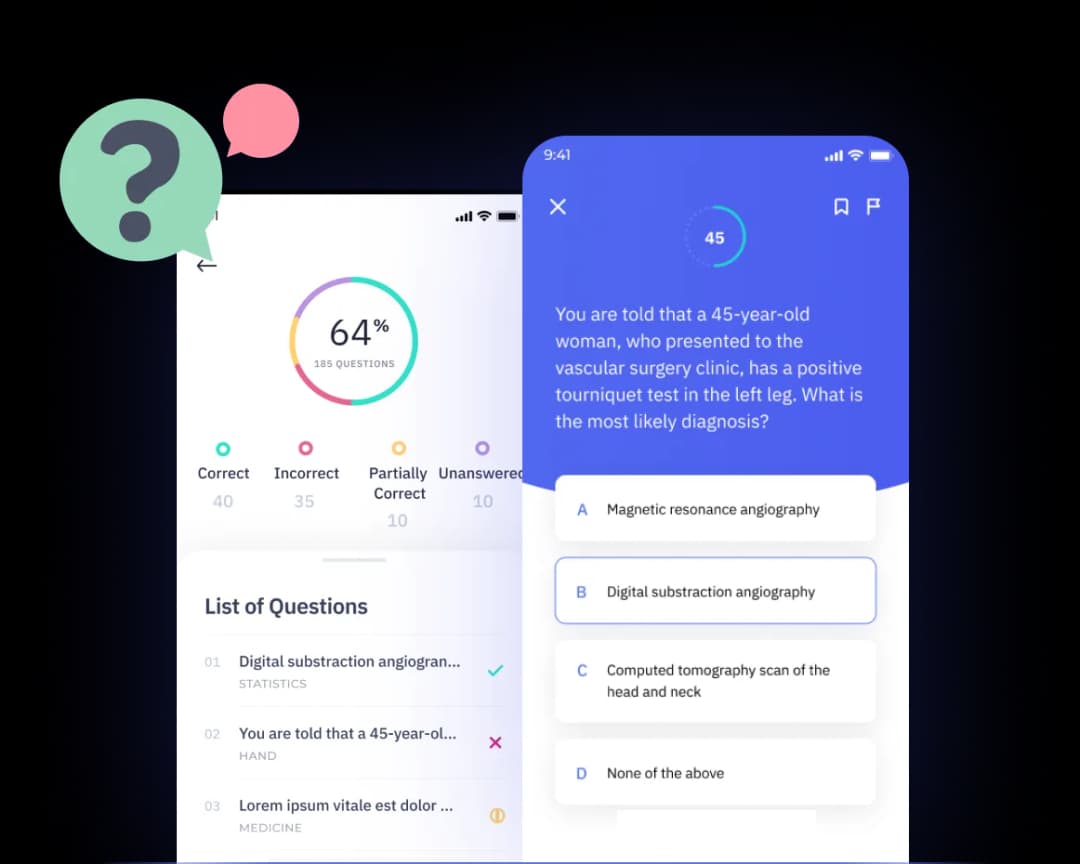
AI-powered learning solutions, such as Shiken, provide an answer to these challenges. Interactive platforms enable learners to engage in quizzes, role-playing, and personalized coaching, leading to better skills development. These methods encourage active participation, helping learners think critically and make meaningful connections with the material.
Data shows that interactive learning can boost engagement levels significantly. Learners exposed to interactive elements are more focused and satisfied with their educational experience (Source: Interactive Learning: Benefits, Tools & Implementation). Quizzes and role-playing allow students to test their understanding in real-time, pinpoint areas for development, and receive constructive feedback. This immediate feedback loop can enhance the learning experience and track progress effectively (Source: Engaging Minds: The Interactive Learning Experience Of eLearning).
Moreover, Shiken utilizes analytics to measure performance gains. This capability gives educators and trainers insights into learners' strengths and weaknesses, allowing for personalized development plans. Understanding where learners struggle can guide future curriculum design, making training sessions more effective. The personalized approach not only maximizes learning outcomes but also empowers each individual to take charge of their own skill development.
By embracing interactive learning, both educators and learners benefit. It prepares individuals for the demands of the modern workforce, fostering skills that matter. In the end, engaging experiences lead to real growth, making learning more impactful and enjoyable.
Takeaway: Interactive learning transforms the learning experience by boosting engagement and facilitating deeper development.
Creating an Inclusive Learning Environment
TL;DR: An inclusive learning environment supports all learners, involves families and communities, and is fostered by educators. Creating a space where every child feels welcome enhances the learning experience and encourages growth.
An inclusive learning environment recognizes that students come from diverse backgrounds and have unique needs. To support these varying learning needs, educators can implement different strategies. For example, teachers might offer choices in assignments that align with students' interests or cultural experiences. This approach not only motivates learners but also builds a sense of belonging (Source: 7 Ways to Establish Inclusive Learning Environments). Flexible seating and classroom layouts can further encourage participation, making the room feel like a shared space for every child.
Integrating family and community into the learning process enriches the overall educational experience. When families are involved, students often feel more connected. This might include inviting parents to share their cultures or experiences during class. Such interactions not only strengthen the home-school connection but also expose all learners to different perspectives. Partnering with local organizations can provide additional resources and support, ensuring that the learning environment reflects the community’s diversity.
Educators play a crucial role in fostering an inclusive atmosphere. They should actively solicit feedback from students about their learning experience. Regularly checking in helps teachers adjust their practices to meet students' needs more effectively (Source: Five Tips for Creating an Inclusive Learning Environment). Displaying diverse materials that represent all learners also demonstrates an educator’s commitment to inclusion.
An inclusive learning environment is not just beneficial; it’s essential for achieving the best outcomes for every child. The goal is to create a place where all feel valued and are encouraged to reach their full potential.
What Makes a Curriculum Effective in Early Learning?
An effective early childhood curriculum plays a crucial role in shaping the learning experience. It fosters development in a fun and engaging way. Here are some key components that make a curriculum successful.
Components of a Successful Early Childhood Program
A strong early learning program often includes several vital elements:
- Comprehensive Learning Goals: The curriculum should target multiple areas of development. This ensures a well-rounded experience for each child.
- Group and Individual Activities: A mix of activities can engage children in collaborative learning while catering to individual needs (Source: Lillio).
In fact, programs that address identified goals in all development areas provide a greater learning impact.
Integration of Skill Development and Play
Play is at the heart of early learning. A quality curriculum blends play with skill development. For example, children might learn counting by sorting blocks during free play. This hands-on approach allows children to explore, discover, and learn naturally. Research shows that a play-focused curriculum can improve children's curiosity and creativity, which boosts their overall learning experience (Source: Launchpad).
Role of Continuous Assessment
Continuous assessment is vital for optimizing the curriculum. Educators can track each child’s development and adjust learning activities as needed. This ensures that the curriculum remains relevant and effective.
One effective strategy involves regular observations and informal assessments. These can help teachers identify skill gaps and tailor instruction accordingly. Programs that incorporate ongoing assessments show better outcomes in child development (Source: My Brightwheel).
In summary, an effective early childhood curriculum integrates key components, enhances learning through play, and employs continuous assessment. By focusing on these areas, educators can form a powerful learning experience that lays the foundation for a child's future success.
Here is a checklist of essential components that enhance the learning experience in an effective early childhood curriculum.
How to Measure the Impact of the Learning Experience
Measuring the learning experience is essential for ongoing success. Understanding how learners engage and grow helps educators and organizations improve their training programs.
One effective way to evaluate the impact is through real-time analytics. These tools track how learners interact with the content and can show trends over time. For instance, tracking quiz scores before and after a course can reveal how much knowledge was gained. This data helps identify areas that require more focus or adjustment.
Identifying Skill Gaps
Utilizing data insights can also help in identifying skill gaps. By analyzing performance metrics, educators can uncover knowledge deficits. For example, if many learners struggle with a specific topic, it may indicate that the curriculum needs to be revised. A study suggests that when skills gaps are addressed, overall performance improves (Source: “How to Measure the Effectiveness of Your Learning Experiences”).
To pinpoint these gaps, use tools that allow for easy data export to Learning Management Systems (LMS) or Learning Experience Platforms (LXP). These platforms can present data in a clear way, making it simpler to adjust learning materials accordingly.
Using Feedback for Improvement
Collecting feedback is vital for continuous improvement. Combine qualitative and quantitative feedback to get a well-rounded view of the learning experience. Surveys and direct conversations with learners can uncover insights that data alone may not reveal. Gathering feedback helps to refine the curriculum and boost engagement.
Educators can also engage stakeholders in discussions about impact measurement. This collaborative approach can yield valuable insights and foster a shared understanding of success (Source: “Measuring Learning Impact with Kirkpatrick's Four Levels”).
A strong learning experience is one that evolves and improves over time based on insights, skills assessment, and feedback.
Frequently Asked Questions
What is the learning experience?
The learning experience encompasses how learners engage with educational content. It includes the methods, interactions, and environments used for instruction. A positive learning experience is essential for knowledge retention and skill development. It combines various teaching strategies tailored to different learning styles, ensuring that all learners, including children in early education, can thrive.
How does play impact early childhood development?
Play significantly benefits early childhood development by fostering creativity and problem-solving skills. Through play, children explore their surroundings, learn social skills, and navigate emotions. This hands-on approach encourages cognitive and physical development, supporting learning in a natural way. Studies show that play-based learning leads to improved attention spans and collaboration among young learners (Source: Child & Day Care Center).
What are the benefits of interactive learning?
Interactive learning engages participants actively, making education more enjoyable and effective. It offers hands-on experiences that encourage critical thinking and creativity. This approach often leads to higher retention rates, as learners actively participate rather than passively absorb information. Research indicates that interactive lessons can enhance understanding by up to 75% compared to traditional methods. Tools like Shiken’s AI platform support this engagement through role-plays and quizzes tailored to individual needs.
How do I create an inclusive learning environment?
Creating an inclusive learning environment involves addressing diverse learning needs. Start by recognizing that every learner brings unique backgrounds and experiences. Use varied teaching methods, such as visuals, group work, and technology, to reach all learners. Encourage open communication and create a safe space where everyone feels valued. Incorporating feedback from both educators and students helps to continually improve inclusivity in your curriculum and teaching style.
What tools are available to measure learning impact?
Several tools can help measure the impact of the learning experience. Popular options include assessment quizzes, surveys, and observation checklists. Shiken’s AI-driven analytics provide real-time data on learner performance and engagement. These insights allow educators and organizations to identify gaps in knowledge and adapt their teaching methods accordingly. Easy data export capabilities enable seamless integration with existing systems for further analysis, maximizing the learning impact.
By addressing these questions, we can better understand how to enrich the learning experience for everyone involved. Adopting effective strategies and tools ensures that learners, regardless of age, receive the support they need for optimal development.