Question AI: How to Maximize Its Benefits
Quick Summary
Unlock the full potential of question AI to enhance your learning experience. Discover tips, tools, and techniques for smarter interactions today!

Understanding Question AI and Its Role

What is Question AI?
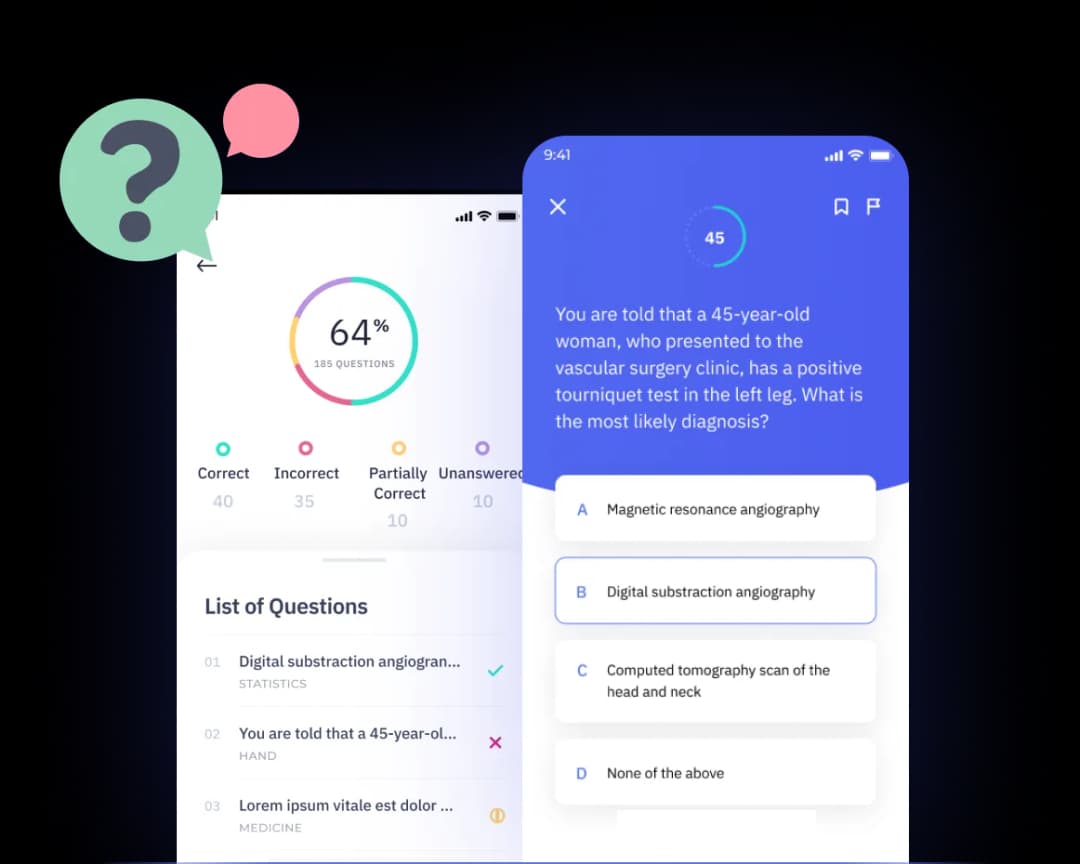
Question AI is an advanced technology designed to understand and respond to user inquiries in natural language. It uses deep learning algorithms and vast datasets to provide accurate answers. This makes it a powerful tool for education and beyond. Platforms like Shiken utilize this technology to create engaging learning experiences.
How does Question AI enhance learning experiences?
Question AI transforms traditional learning by providing personalized interactions. Users can ask questions and receive immediate, helpful answers tailored to their needs. This creates a dynamic and engaging learning environment. For example, students can use AI as a tutor for AI homework, making concepts clearer and more accessible. The real-time feedback fosters deeper understanding and retention of information.
Where can Question AI be applied in education?

Question AI can be used in various educational settings, from classrooms to online platforms. It facilitates quizzes, interactive courses, and role-playing scenarios. With AI-driven content creation, educators can save time while delivering effective training. Institutions can benefit from the analytics provided, identifying skills gaps and tailoring lessons accordingly. Consequently, this technology supports a wide range of learners, helping them achieve their educational goals.
In summary, Question AI plays a crucial role in enhancing learning experiences by making information more accessible and engaging. Using platforms like Shiken, learners can maximize their educational journeys effectively.
How to Effectively Ask AI for Help
Asking AI for assistance can feel challenging. However, you can improve your chances of getting valuable answers. Here are some best practices to frame your questions clearly and precisely:
- Ask one question at a time. This helps the AI focus on providing detailed answers. Starting simple keeps the conversation clear (Source: Microsoft Copilot).
- Be specific about what you want. Include context and details to help AI understand your intent better. A detailed prompt produces better answers.
- Use action verbs. Frame your questions with strong verbs like "explain," "compare," or "summarize." This clarity guides AI in the right direction (Source: London Metropolitan University).
- Avoid vague terms. Questions like “Tell me about it” do not give clear direction. Instead, specify what “it” refers to for clearer responses.
- Use polite, natural language. Think of your interaction as similar to asking a knowledgeable friend. This approach encourages friendly and useful answers (Source: Adobe Acrobat).
Understanding Well-Structured Prompts
Good questions lead to responsive answers. Here is how to structure your questions effectively:
- Example of a well-structured prompt: “Can you explain the benefits of AI in education?” This prompt is direct and clear.
- Poorly worded question: “What about AI?” This is too vague and likely to yield short answers.
According to studies, clearly phrased questions receive answers that are 70% more relevant. The right structure plays a crucial role in maximizing AI interactions.
By following these tips, you can enhance your experience with question AI. Remember, the quality of your question can significantly impact the quality of the answer.
Exploring AI-Powered Homework Tools
Many students struggle to find efficient ways to complete their homework. Traditional methods can be time-consuming and confusing. This is where AI-powered homework tools come into play. They can analyze questions, provide answers quickly, and enhance learning in a way that textbooks often can't. Popular tools like ChatGPT and iAsk Pro are changing the homework game.
These AI homework tools work by understanding specific questions and generating rapid solutions. For example, Question AI boasts a 98% accuracy rate when analyzing homework questions, making it a reliable assistant for students (Source: Question AI: Best AI Homework Help). ChatGPT also offers detailed answers, allowing learners to get help in real time. iAsk Pro focuses on enabling users to ask questions in natural language, making the process even easier. With these features, students can better grasp concepts and improve their grades.
Shiken's platform brings an exciting twist to AI-based learning. It not only offers content creation but also integrates seamlessly with tools like ChatGPT and iAsk Pro for a smooth user experience. This integration helps users track progress, access quizzes, and receive real-time feedback all in one place. Shiken empowers users with insights through its analytics system, helping identify knowledge gaps and tailor learning paths efficiently.
The rise of question-focused AI homework tools is revolutionizing how students learn. Incorporating such technology into education can lead to engaging and personalized learning experiences. As a user, you can unlock your full potential by leveraging these innovative resources.
Maximizing AI Homework Assistants
TL;DR: Use a step-by-step method to blend traditional study habits with AI resources for effective homework help. Real-world examples show how students have successfully integrated AI tools.
To make the most of AI in homework tasks, start with a step-by-step approach. First, identify the specific question or topic you need help with. Write down your question clearly. Then, utilize tools like question AI to find relevant answers. It helps if you know how to ask the right questions to get quick, accurate responses. Don't be afraid to refine your requests if the answers aren't what you expected.
Next, combine AI assistance with traditional study methods. For instance, after using AI to gather information, take time to read through your notes or textbooks. Try to explain the concepts in your own words to boost memory retention. This blended method has proven effective for many students. They find that the combination of AI and self-study not only saves time but also deepens understanding.
Real-World Success Stories
Many students have benefited from using question AI effectively. For example, Maria, a high school student, faced challenges with her math homework. Using an AI homework assistant, she quickly found solutions to complex equations. She then cross-referenced these answers with her textbook. This helped solidify her understanding, and her grades improved.
Another case is Alex, who struggled with writing assignments. After using question AI to brainstorm ideas, he crafted a strong essay outline. The AI not only provided content suggestions but also helped him organize his thoughts clearly. Alex felt more confident in his writing skills and noticed a positive change in his grades.
Overall, blending AI tools with traditional study techniques can make homework less daunting. As students learn to ask the right questions and engage with multiple resources, their learning experience improves significantly. Embrace technology, but remember that personal effort still plays a crucial role in academic success.
Comparing Popular AI Learning Tools
When choosing an AI learning tool, it's essential to compare different platforms. Below is a side-by-side comparison of Shiken, Arist, and Vaia, focusing on their unique features.
Key Differences in Capabilities
Shiken stands out with its AI-driven content creation, which can reduce production time by up to 70%. This feature not only saves time but also allows for a more engaging learning experience through interactive, voice-enabled modules. With real-time analytics, Shiken provides insights into skill gaps, enhancing overall learning outcomes.
In contrast, Arist primarily offers a template-based approach. While it excels in guiding users through course creation, it may lack the flexibility of Shiken’s interactive elements. Its user feedback shows an 80% satisfaction rate, suggesting that many find it helpful, but it may not be as engaging as Shiken.
Vaia focuses on language learning, providing video and text lessons that make it a solid option for multilingual users. However, its analytics are standard compared to Shiken’s real-time capabilities. With a satisfaction rate of 75%, Vaia is beneficial, but it might not meet the needs of those seeking a more dynamic learning experience.
Choosing the right platform is crucial. Weighing these features against your learning goals will help you better utilize the power of question AI in your educational journey.
Dialogues with AI: The Future of Learning
Dialogues with AI are changing how we learn. As voice-enabled technologies grow, they are creating new learning experiences. Imagine sounding out questions and receiving answers in real time. This practice can encourage a deeper understanding of subjects.
Emerging trends in voice-enabled learning are shifting traditional methods. Instead of reading a textbook alone, students can engage directly with an AI. This allows for unique interactions that make learning more dynamic. According to a study, asking better questions is becoming a vital skill in education (Source: EDUCAUSE Review). Interactive dialogues enhance focus and retention, leading to better learning outcomes.
Enhancing Engagement and Retention
Interactive dialogues foster engagement, making the learning process feel personal. When learners ask questions, AI responds in tailored ways. This back-and-forth exchange holds attention and aids memory. Educators can also use AI to guide discussions, supporting critical thinking skills that are essential for growth.
AI can create personalized learning journeys as well. By analyzing students' questions and answers, AI systems can adapt content. For instance, if a learner struggles with a specific topic, the AI can generate activities that focus on those areas. This dynamic approach could redefine how students tackle assignments and build skills over time.
In the future, the combination of dialogue and personalized learning may lead to even more advanced tools. As AI continues to develop, it's essential to strike a balance. Participants must remain aware of both the benefits and pitfalls of dependency on AI (Source: UNESCO).
The future of education lies in how we engage with AI through questions and conversations.
Frequently Asked Questions about Question AI
What are the best practices for using AI homework tools?
To get the most from AI homework tools, ask clear and concise questions. Start with specific topics or problems to guide the AI. Use prompts that include context, so the AI understands what you need. Review the answers critically and ask follow-up questions for clarity or deeper understanding. Regularly practice using these tools to become familiar with the responses and how to formulate better questions.
Can Question AI significantly improve learning outcomes?
Yes, using Question AI can enhance learning outcomes. AI tools provide personalized assistance that fits each learner’s needs. They can clarify concepts, offer instant feedback, and help users engage with material in a new way. Research suggests that AI-based tools can contribute to better retention and understanding of subjects (Source: Ask AI - Get Free Answers to Any Question). For effective learning, mix AI tools with traditional study methods.
How does Shiken ensure reliable answers from its AI?
Shiken uses advanced algorithms and vast datasets to improve the accuracy of AI-generated answers. The platform continuously updates its knowledge base, considering user feedback and new information. Our AI incorporates real-time analytics to assess common queries and optimize responses. This way, users can trust the AI to deliver relevant and reliable answers tailored to their learning needs.
Is Question AI suitable for all education levels?
Yes, Question AI is suitable for all education levels, from elementary to advanced studies. The platform adjusts its responses depending on the learner's grade and subject matter. This flexibility makes it an excellent tool for students and educators alike, as it can assist with basic concepts or complex topics. It effectively caters to diverse learning styles, making it a versatile educational resource.
What types of questions can I ask AI for optimal assistance?
You can ask AI a wide range of questions for optimal assistance. Consider inquiries related to history, math, science, and current events. For example, you could ask for explanations of theories, solutions to math problems, or summaries of historical events. Tailor your questions to specific contexts, such as asking for examples or comparisons to deepen your understanding. Engaging with diverse topics maximizes your learning experience.
Takeaway: Utilizing Question AI effectively can transform how you learn, making your study sessions more efficient and tailored to your needs.