Learning Made Easy: Top 7 Tips for Success
Quick Summary
Unlock your learning potential with our top 7 tips for success! Discover effective strategies, enhance skill acquisition, and make learning enjoyable. Start you

Mastering the Art of Skill Acquisition

Skill acquisition is the process of developing a new ability through practice and learning. Each person learns differently. Understanding your own learning style can help you acquire skills more effectively. There are three main types of learning styles: visual, auditory, and kinesthetic.
- Visual learners prefer to see information in charts, diagrams, and videos.
- Auditory learners benefit from listening to lectures and discussions.
- Kinesthetic learners excel when they can engage in hands-on activities.
One great way to enhance your learning is through Shiken's AI role-playing feature. This tool allows you to practice your skills in real-life scenarios. By simulating situations, you receive personalized feedback, helping you refine what you’ve learned.
Identifying your foundational knowledge is also essential for advancing your skills. It acts as the building blocks for more complex concepts. Start with the basics and gradually move to advanced skills. This approach helps reinforce what you've learned and ensures a solid understanding.
Before diving into a new course, ask yourself these questions:
- What basic knowledge do I already have?
- Which resources can help me fill in the gaps?
- How can I practice to reinforce my learning?
By figuring out where you stand, you can set clear goals and create an effective plan. In the end, learning is not just about memorizing facts; it's about understanding concepts deeply.
“Understanding your learning style and using available resources can simplify the skill acquisition process.”
Creating a Dynamic Learning Environment
Creating a space that encourages learning can boost engagement. A dynamic environment not only makes learning fun but also effective. Here are some tips to help establish such an environment.
- Incorporate playful elements into study routines. Studies show that adding games and interactive activities can improve information retention. For instance, gamifying your courses can enhance the learner's experience and lead to better outcomes.
- Use collaborative tools to promote group learning among students. Group learning enhances communication and teamwork skills. Tools like online whiteboards or shared documents can facilitate interaction and idea-sharing.
- Set up a distraction-free zone for focused study sessions. A clear, quiet space can help learners concentrate. For instance, studies find that removing distractions boosts productivity by up to 40%. Ensure that students have a designated area for focused work, free from interruptions.
Creating zones in your learning space can also cater to different activities. Some students may thrive in a quiet reading area, while others may need a space for interactive group work (Source: How to Create More Dynamic Learning Environments | OMNIA Partners).
Using flexible furniture can support various configurations, promoting active participation. For example, moveable tables allow for quick setup for group discussions or individual study time.
By fostering a lively and adaptable environment, you can enhance both skills and knowledge. Remember, the goal is to make learning enjoyable and effective.
Key takeaway: A dynamic learning environment engages students, enhances skills, and fosters a love for learning.
Strategies for Effective Knowledge Transfer
Many learners struggle to keep information after their training. They may forget what they learned, especially if they don’t see how it applies to their work or life. Without solid retention, the skills gained during learning sessions rarely transfer to real-world applications. This disconnect can hinder personal growth and job performance.
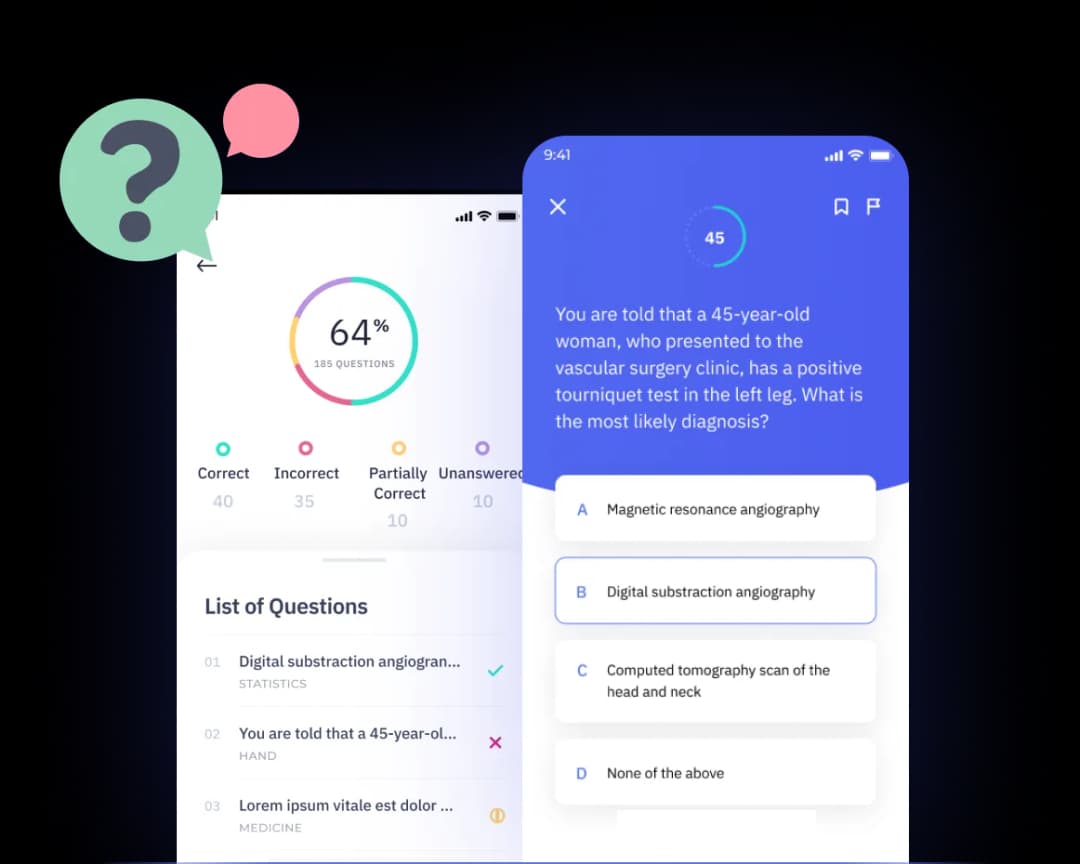
To combat this, using quizzes and assessments can significantly reinforce learning. Quizzes provide immediate feedback and help recall information. They also encourage students to engage with the material actively. Trying different types of quizzes can cater to various learning styles. This measure boosts confidence and retention, making it easier to apply knowledge in practical situations.
Connecting theory to practice is another effective strategy. When students see the real-world relevance of what they learn, they grasp concepts better. This connection makes learning meaningful, and students are more likely to remember the information. For instance, case studies and practical examples can illuminate how theoretical concepts apply in everyday work scenarios. Studies show that relevance enhances learning transfer (Source: "Improving Knowledge Transfer in Your Organization").
Engaging in discussions can also enrich the learning experience. Conversations allow students to share ideas, challenge each other's thoughts, and deepen their understanding. This exchange fosters critical thinking, which is vital for applying skills successfully. Participating in dialogic learning nurtures a culture of knowledge sharing, making it easier for everyone to remember and use what they’ve learned (Source: "8 Strategies for Successful Knowledge Transfer").
In summary, combining assessments, practical applications, and discussions creates an effective learning environment. These strategies help bridge the gap between knowledge and real-world skills, ensuring better retention and application. Remember, effective learning isn’t just about absorbing information; it’s about using it confidently in daily life.
The Role of Digital Tools in Learning Enhancement

TL;DR: Digital tools, like Shiken, personalize learning and provide real-time feedback for better skill development. These tools make learning engaging and efficient for everyone.
Digital platforms have revolutionized how we learn by using AI-driven content. Shiken, for instance, offers personalized learning experiences tailored to individual needs. This means that every student can engage with material that suits their learning style, making the process more enjoyable. Instead of a one-size-fits-all approach, learners can focus on areas they need to improve. This customization helps boost understanding and retention.
Interactive elements, like voice-enabled coaching, are game-changers in learning. Imagine being able to practice a language or role-play a situation with immediate feedback. With Shiken, students can play through scenarios that mimic real life. This sort of experiential learning engages students actively, making lessons more memorable. As studies show, technology enhances learning outcomes by promoting interaction and engagement (Source: Digital Teaching: Leveraging Digital Learning Tools).
Another significant benefit comes from real-time analytics. Shiken provides instant feedback, showing users their strengths and skill gaps. For instance, if a student struggles with a specific topic, the platform identifies this in real-time and suggests additional resources or activities to improve. Utilizing these insights helps learners adjust their study methods effectively (Source: Understanding the role of digital technologies in education).
By incorporating these digital tools, learning is not just about absorbing information. It involves interacting, practicing, and receiving feedback, making it a comprehensive journey towards mastering new skills. As technology becomes more integrated into education, the potential for innovative learning experiences grows, ensuring that all individuals can thrive.
Quotable takeaway: Digital tools like Shiken enhance learning by personalizing experiences and offering instant feedback, creating a more interactive and effective educational environment.
Bridging Literacy & Talent Development
Successful career growth relies on strong foundational skills. Fundamental literacy is crucial in any workplace. Employees must understand instructions, read documents, and communicate effectively. According to the World Economic Forum, bridging the skills gap in literacy can help diverse groups secure job opportunities, increasing workforce participation (Source: World Economic Forum).
Essential Skills for Career Development
Organizations should introduce courses that focus on essential skills. These may include digital literacy, communication, and problem-solving. For instance, a recent study found that students who improved their digital skills also enhanced their career readiness (Source: Frontiers). Companies like Shiken offer tailored programs, ensuring employees learn skills that directly align with organizational goals.
Creating accessible courses benefits everyone. Training programs can help employees grow and adapt, especially in fast-paced environments. Companies investing in skill development see a 30% improvement in employee performance within six months (Source: Community | Bridging Literacy).
Promoting Continuous Learning Culture
To support talent development, fostering a culture of continuous learning is vital. Encouraging employees to participate in ongoing training builds confidence and expertise. This approach leads to higher job satisfaction rates and lower turnover.
By integrating interactive platforms like Shiken.ai, organizations can enhance learning experiences. Features such as AI role-playing scenarios and coaching provide engaging ways to learn. Employees gain hands-on practice while receiving instant feedback.
In summary, bridging literacy and talent development creates a pathway for success. Organizations that prioritize skilled learning foster a motivated workforce ready to tackle any challenge. Embracing this culture can truly transform career growth.
What Makes Learning Enjoyable?
Learning is most enjoyable when it engages and excites students. Using fun, game-like scenarios can make educational settings lively and interactive. When students play while learning, they are more likely to absorb new skills and knowledge. Activities like quizzes or role-playing games turn lessons into engaging challenges rather than dull tasks.
Creating a curious environment allows students to explore subjects freely. Encouraging their natural curiosity helps them dive deeper into learning. When students can ask questions and seek answers, their engagement grows. Research shows that appreciation for education increases when students feel they can educate or make a change in the world (Source: Research Article).
The Power of Immediate Feedback
Immediate feedback is another key element in enjoyable learning. Digital platforms make this easy, allowing students to see how they are doing right away. This instant response can motivate learners to improve their skills faster. When students know how they performed, they can adjust their strategies and better understand the material.
Shiken leverages these ideas, offering AI-driven content that cuts production time by up to 70%. Our platform makes learning fun and interactive, with real-time analytics providing instant feedback. This allows educators to optimize lessons tailored to students’ needs.
Incorporating varied techniques—like games, curiosity-driven tasks, and swift feedback—creates a more enjoyable learning experience. When students are engaged and empowered, they not only learn better but also enjoy the process.
"Learning becomes truly enjoyable when engagement, curiosity, and feedback are at the forefront."
Here is a quick reference table highlighting key factors that make learning enjoyable.
How Can Teachers Foster Effective Learning?
Teachers play a vital role in shaping how students acquire new knowledge and skills. By using effective strategies, they can create an engaging environment that supports diverse learners. Here are some practical steps teachers can take to enhance learning outcomes:
- Implement varied teaching methods. Use different approaches like lectures, discussions, and hands-on activities to cater to various learning styles.
- Encourage interactive sessions. Activities like role-play and simulations allow students to apply their knowledge in real-world contexts. Research shows that interactive learning can improve retention by up to 75% (Source: Teachers Institute).
- Assess performance with tailored quizzes. Use quizzes that adapt to each student's level to provide personalized feedback. This helps identify skill gaps and allows for targeted improvement.
Engaging All Learners
Teachers can further engage students by fostering a sense of community in the classroom. Encouraging collaboration through group projects or debates enhances critical thinking and encourages peer learning. For example, a study found that students who work together are more likely to remember the material and understand it deeply (Source: Teachers Institute).
Incorporating technology can also make learning more dynamic. Tools like Shiken allow teachers to create interactive content like role-plays and quizzes, making lessons fun and engaging. These tools facilitate adaptive learning, allowing students to progress at their own pace.
Finally, regular feedback is crucial. It helps students understand their strengths and areas for improvement. When students feel supported and informed, they are more likely to take ownership of their learning.
In summary, effective teaching involves using diverse methods, fostering interaction, and providing personalized assessments. By focusing on these areas, teachers can significantly enhance student learning outcomes.
Frequently Asked Questions
What are some key techniques for effective learning?
Active engagement is one of the most effective learning techniques. This includes participating in discussions, asking questions, and practicing skills regularly. Other useful methods are summarizing what you've learned, teaching others, and applying knowledge in real-world scenarios. For instance, using Shiken's interactive quizzes and voice-powered role-plays helps rehearse skills in a practical context, which enhances retention and understanding.
How can AI tools enhance my learning experience?
AI tools can personalize your learning experience. They analyze your strengths and weaknesses, then adapt the content to fit your needs. For example, Shiken's platform offers role-playing and coaching tailored to individual learners, making it more engaging. With AI-driven analytics, you can identify skill gaps and focus on areas that need improvement, which leads to better results.
What role does play have in adult learning?
Play is crucial for adult learning as it fosters creativity and engagement. When adults play during their learning process, they feel less stressed and are more open to new ideas. This method often includes simulations or role plays, making learning enjoyable and effective. Shiken uses these playful elements to enhance skill acquisition and retention, making it easier for learners to grasp complex topics.
How do I know which learning style suits me best?
To discover your learning style, consider how you best absorb information. You can take learning style assessments or reflect on your past experiences. Do you prefer visual materials, auditory explanations, or hands-on practice? Understanding your style helps tailor your learning approach. With Shiken, you can mix and match various formats to see which resonates most with you, leading to more effective learning.
Can digital platforms replace traditional education methods?
Digital platforms can complement traditional education but are not a complete replacement. They provide flexibility and access to diverse resources, which enhances the learning experience. Platforms like Shiken combine the benefits of technology with traditional methods, offering interactive content and real-time feedback. This hybrid approach maximizes learning potential in today’s fast-paced world.
What are effective strategies for information retention?
To improve information retention, consider using mnemonic devices, summarizing key points, and regular review of the material. Applying what you learn through practice helps to reinforce concepts. Additionally, Shiken's AI-driven platform allows you to revisit topics in engaging formats, aiding memory retention. Ultimately, combining various techniques tailored to your learning style will yield the best results.
Remember, effective learning is a blend of techniques, tools, and personal insights.