Language Learning Tips for Beginners
Quick Summary
Unlock your potential with essential language learning tips for beginners! Discover effective techniques and resources to boost your skills and start your journ

Understanding the Basics of Language Acquisition

Language acquisition is the process through which individuals learn to understand and use language. This process starts from early childhood and continues throughout life. Understanding how we acquire a language can help beginners find effective ways to learn.
There are various theories of language acquisition, each offering insights into the learning process. One well-known theory is the Chomskyan approach, which suggests that humans have an innate ability to learn language. Other theories emphasize the role of environment and social interaction in learning languages (Source: Language Acquisition - Wikipedia).
Input plays a crucial role in language learning. Input refers to the exposure learners have to the language, such as listening and reading. The more input you receive, the better you can understand and use the language. This is because input helps reinforce vocabulary and grammar in your mind.
When it comes to approaches to language learning, two commonly used methods are immersive and structured approaches.
- Immersive learning means surrounding yourself with the language as much as possible. This could involve watching movies, listening to music, or speaking with native speakers. This method mimics how children learn their first language.
- Structured learning focuses on grammar rules, vocabulary lists, and exercises. This approach often includes textbooks and classroom settings. Both methods have their benefits, and choosing one depends on your personal learning style.
A balance of input and an effective approach can lead to successful language learning. As you begin, remember that immersing yourself in the language creates a fun and engaging way to learn.
"Engaging with language through input greatly enhances your learning experience."
Effective Study Techniques for Language Learners
Language learning can be fun and engaging when you adopt the right study techniques. Here are some effective strategies to help you along the way:
- Spaced repetition boosts vocabulary retention. This technique involves reviewing vocabulary at increasing intervals. Studies show that this method can improve recall by up to 200%.
- Active recall enhances learning. Instead of passively reading, challenge yourself to remember words or phrases without looking. This method helps strengthen memory connections.
- Daily practice matters. Even 15 minutes of practice each day can lead to significant progress. Set a timer and focus your attention on the language.
- Incorporate technology into your routine. Use language learning apps like Mango, which utilize spaced repetition and interactive input. This makes learning more dynamic and enjoyable (Source: "The most effective language learning strategies").
- Create a study plan. A structured plan can maximize your language input and output. Aim to balance understanding and practice for better retention (Source: "Learning Languages – The Learning Center").
- Find a study buddy or group. Practicing with others can improve motivation and provide immediate feedback. You can learn from each other's mistakes and successes.
- Utilize multimedia resources. Engage with podcasts, movies, or music in your target language. This adds variety and exposes you to different accents and styles.
- Track your progress. Regularly assess your skills to identify areas that need improvement. This helps keep your study focused and effective.
To wrap it up, embracing a mix of traditional and modern study approaches will enhance your language learning journey. By combining techniques like spaced repetition and engaging with technology, you can make steady progress and keep your motivation high.
Best Resources for Beginner Language Learners
Many beginners face challenges when trying to learn a new language. With so many resources available, choosing the right one can be overwhelming. Different platforms offer different approaches to language learning, making it hard to find one that fits your style. Whether you prefer structured classes, informal tutoring, or interactive exercises, the key is to find a resource that matches your needs.
Popular platforms like Lingoda, Preply, and Fluenz cater to various learning preferences. Lingoda focuses on live online classes with qualified teachers, making it great for interactive learners. Preply connects students with native speakers for personalized lessons. If you prefer self-paced study, Fluenz provides immersive video lessons with real-life scenarios. By assessing your own learning style—visual, auditory, or kinesthetic—you can choose a resource that works best for you.
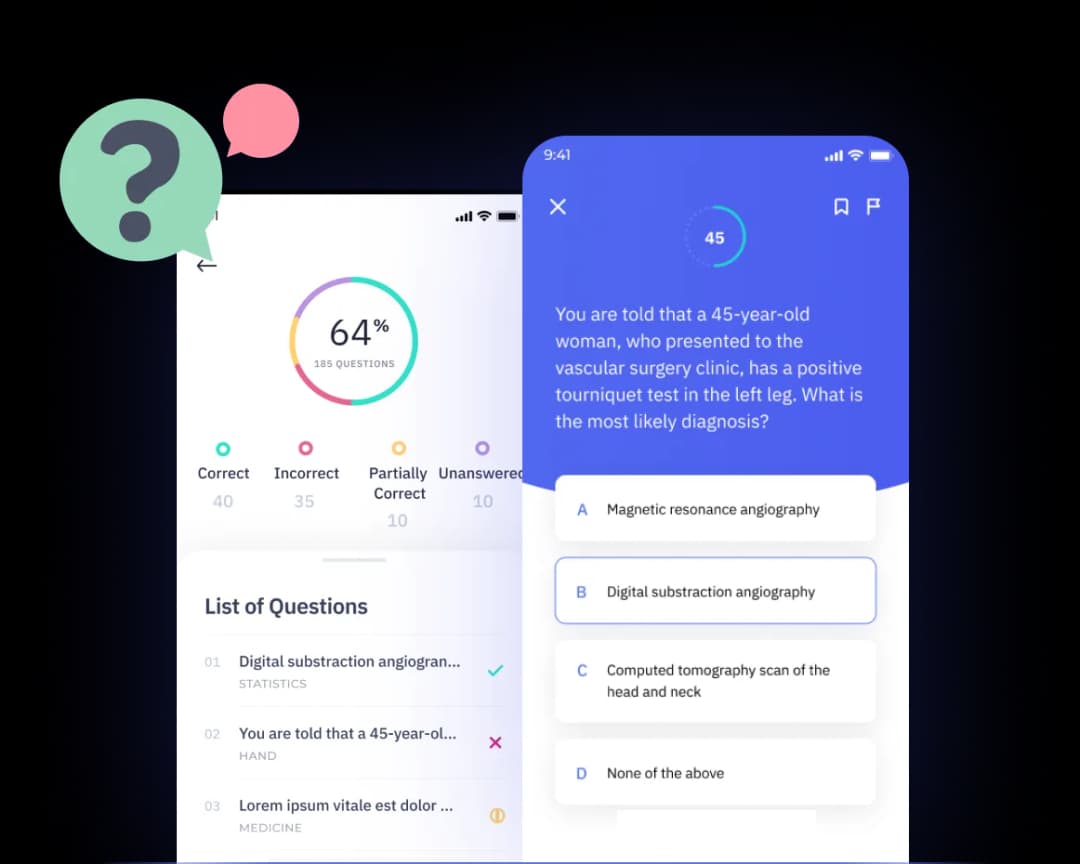
AI-powered tools are changing how we approach language learning. They offer personalized feedback and adapt lessons to your progress. For example, Shiken's platform creates custom quizzes and interactive content that align with your skill level. This personalized approach helps fill in gaps in knowledge and keeps learners engaged. Studies show AI tools can enhance learning efficiency by up to 70% by providing immediate input on performance (Source: Essential Language Learning Tools And Resources).
Finding the right language learning resource can transform your experience. Invest a little time to explore your options and think about your approach. The right platform can make all the difference in your journey to mastering a new language. Start your language learning adventure today, and embrace the journey ahead!
Immersive Learning: How to Surround Yourself with a New Language

TL;DR: Immersive learning boosts language skills by surrounding yourself with the new language at home and in life. Explore creative strategies and real-life interactions with native speakers.
Creating an immersive environment is a powerful way to enhance your language skills. One effective strategy is to fill your home with the language you are learning. This can include playing music, watching movies, or reading books in your target language. Listening to songs can engage you with the sounds and rhythms of the language. According to Babbel, even casually enjoying music can help reinforce your language input (Source: 23 Ways To Immerse Yourself In A Language). You might also try labeling items in your house with their names in your new language. This tactic aids memorization by turning everyday objects into learning tools.
Engaging with native speakers can significantly improve your language learning journey. Conversation with natives not only helps you practice speaking but also exposes you to cultural nuances. You can connect with speakers through language exchange apps or local community events. The linguistic immersion experience forces you to think in the new language, making it less about translation and more about natural use (Source: How To Immerse Yourself in a Language). Remember, the more you interact with native speakers, the more confident you will become.
Travel is another method to achieve immersive learning. Nothing compares to the experience of learning a language in its natural setting. Spending time where the language is spoken allows you to see how it fits into daily life. You gain immediate feedback and practical experience that enhances your input. Even a short trip can be packed with opportunities to practice speaking and listening on the go (Source: Language Immersion at Home).
Embracing immersive learning can transform your approach to language learning. Surround yourself with the new language through creative methods, and you'll notice a real difference in your skills!
How to Measure Progress in Language Learning
Measuring progress in language learning helps you see how far you’ve come. It gives you the motivation to keep going and adjust your approach if needed. Here’s how to effectively assess your skill levels.
What are Effective Strategies for Measuring Progress?
Setting realistic goals is key to tracking your language learning. You might want to learn five new words each week or write one short email without a dictionary. Use the SMART framework for this: specific, measurable, achievable, relevant, and time-bound (Source: Bridge Languages).
Another strategy is to use assessments and quizzes. For instance, after completing a lesson, take a short quiz to evaluate what you learned. Regularly testing yourself can reveal your strengths and weaknesses and boost your confidence (Source: Diplomatic Language Services).
How to Track Progress Effectively with Tools
AI-powered platforms like Shiken can play a crucial role. Shiken offers real-time analytics that help you identify specific skill gaps. When you engage with interactive content, the platform tracks your performance. You can also export your data to your learning management system for a deeper analysis.
Consider keeping a simple tracking sheet, where you note down your milestones. For example, you might achieve recognizing 50 new vocabulary words or speaking for 10 minutes in your target language without having to think in your native tongue (Source: Luca Lampariello). Visual progress charts can make achievements feel rewarding.
Regular assessments and analytics empower you to adjust your learning path. Recognizing areas that need attention helps you use your study time wisely.
In summary, measuring language learning progress is vital for staying engaged and effective. Use the right strategies and tools to ensure continuous improvement on your language journey.
What Role Does Speaking Play in Language Acquisition?
Speaking is the verbal articulation of thoughts and messages. It plays a central role in successfully acquiring a new language. When you practice speaking, you build fluency and confidence, allowing your language learning to flourish.
Engaging in conversations with native speakers is one of the best ways to enhance your skills. They provide real-time feedback and help you understand pronunciation, slang, and cultural nuances. A study confirms that speaking more in the target language leads to better communication skills (Source: Speaking-to-Learn: How speaking promotes acquisition). These interactions offer valuable input that enriches your understanding.
AI Role-Playing for Practice
In today’s digital age, AI tools make speaking practice easier. Platforms like Shiken provide role-playing scenarios that allow learners to practice conversations in a safe environment. These simulations mimic real-life situations, helping you to apply vocabulary and grammar while speaking.
With AI coaching, learners receive personalized feedback that benefits their learning journey. These cutting-edge approaches save time and improve your ability to speak naturally. Role-playing scenarios can even adjust to your skill level, ensuring you’re always challenged yet comfortable.
Building Confidence
Many learners feel anxious about speaking in a new language. To overcome this, it’s essential to practice in low-pressure settings. Regular speaking practice lowers anxiety and builds confidence.
Joining language exchange groups or using language apps can help. You’ll get comfortable making mistakes, which is a key part of the language learning process. Remember, every conversation is an opportunity to improve.
Speaking is vital for language acquisition. It allows you to communicate, learn from others, and solidify your knowledge.
“Speaking more leads to better fluency; every conversation is a step toward mastery.”
Speaking is essential in language learning, promoting fluency and confidence through real-time practice with native speakers. Here’s a quick overview of the benefits of speaking in language acquisition.
Common Challenges in Language Learning and How to Overcome Them
Language learning can be a rewarding journey, but beginners often face hurdles. Here are some common challenges and ways to tackle them:
- Frustration and burnout are common for new learners. More than 60% of language learners report feeling overwhelmed by their progress. Establishing a realistic study schedule can help manage this frustration (Source: How to overcome common challenges faced by language learners).
- Fear of making mistakes can stop learners in their tracks. Many beginners shy away from speaking because they worry about errors. Remember, mistakes are a natural part of the language learning process. Embrace them as stepping stones to improvement (Source: 9 Common Language Learning Challenges and How to Overcome Them).
- Finding and maintaining motivation is crucial. Creating small, achievable goals can keep learners engaged. Studies show that setting clear objectives boosts motivation and leads to better results. Try completing a simple task in your new language daily, like writing a sentence or practicing pronunciation.
Strategies for Staying Positive
To combat frustration, establish a routine. Dedicate specific times each week for studying, practicing, and engaging with the language. Break your study sessions into manageable chunks of 20-30 minutes to prevent burnout.
To reduce anxiety about mistakes, practice speaking in low-pressure environments. Online language exchange platforms let learners converse with others in a friendly setting. This can build confidence and help you improve.
For motivation, remember why you started learning. Whether it’s for travel, career, or personal growth, keeping your purpose in mind makes a big difference. Celebrate small victories and reward yourself for milestones reached.
Language learning may be filled with challenges, but with perseverance and the right strategies, anyone can succeed. Embrace your journey, stay positive, and enjoy every step of the way!
Frequently Asked Questions about Language Learning
What is the best way to start learning a new language?
The best way to start learning a new language is to immerse yourself in it. Choose a language course or app that fits your lifestyle. Reading simple books and watching movies in that language can also help. Additionally, practice speaking with language partners or through language exchange apps. Try to incorporate the language into your daily life for the best results.
How long does it take to become fluent in a new language?
Becoming fluent in a new language can take anywhere from several months to a few years, depending on various factors. These include the language's complexity and how much time you dedicate to practice. Some learners reach basic conversational skills in 6-12 months. Regular practice and immersive experiences can speed up this process and help you achieve fluency faster.
Can I learn a language effectively through online classes?
Yes, you can learn a language effectively through online classes. Many platforms offer interactive sessions that help you engage with the material. With proper structure and a good instructor, online classes can provide valuable speaking and listening practice. AI-driven platforms like Shiken enhance this experience with interactive quizzes and role-plays to deepen your understanding.
What are the key skills to focus on in language learning?
When learning a new language, focus on four key skills: listening, speaking, reading, and writing. Listening helps you understand the language, while speaking allows you to communicate. Reading enhances vocabulary, and writing helps you structure your thoughts. Balancing these skills will improve your overall proficiency and make learning more effective.
How can Shiken help me in my language learning journey?
Shiken can significantly enhance your language learning journey with its AI-driven content creation. The platform allows you to engage in interactive lessons, quizzes, and role-plays tailored to your needs. You'll receive real-time feedback on your performance, helping you identify skill gaps. With Shiken, you can access personalized learning pathways that make mastering a new language efficient and enjoyable.
Remember, consistent practice and engagement in your chosen language are keys to success.