Humanize AI: A Step-by-Step Guide
Quick Summary
Discover how to humanize AI in training with our step-by-step guide. Enhance learning experiences, boost engagement, and connect on a personal level today!

How Can We Humanize AI in Training?

To humanize AI in training, we focus on creating learning tools that are relatable, engaging, and user-friendly. This means designing AI systems that understand and respond to human emotions, making learning experiences more personal and effective.
Understanding Humanizing AI
Humanizing AI involves shaping technology to better connect with users. In educational settings, this means ensuring AI tools resonate with learners on a personal level. For example, instead of just delivering facts, an AI system could use storytelling to make content more relatable and memorable.
A key element in this process is user-centric design. This approach puts the learner at the center of the design process. It takes into account their needs, preferences, and emotional responses. Research shows that user-centric tools greatly improve engagement and learning outcomes A culture of experimentation.
Examples in Action
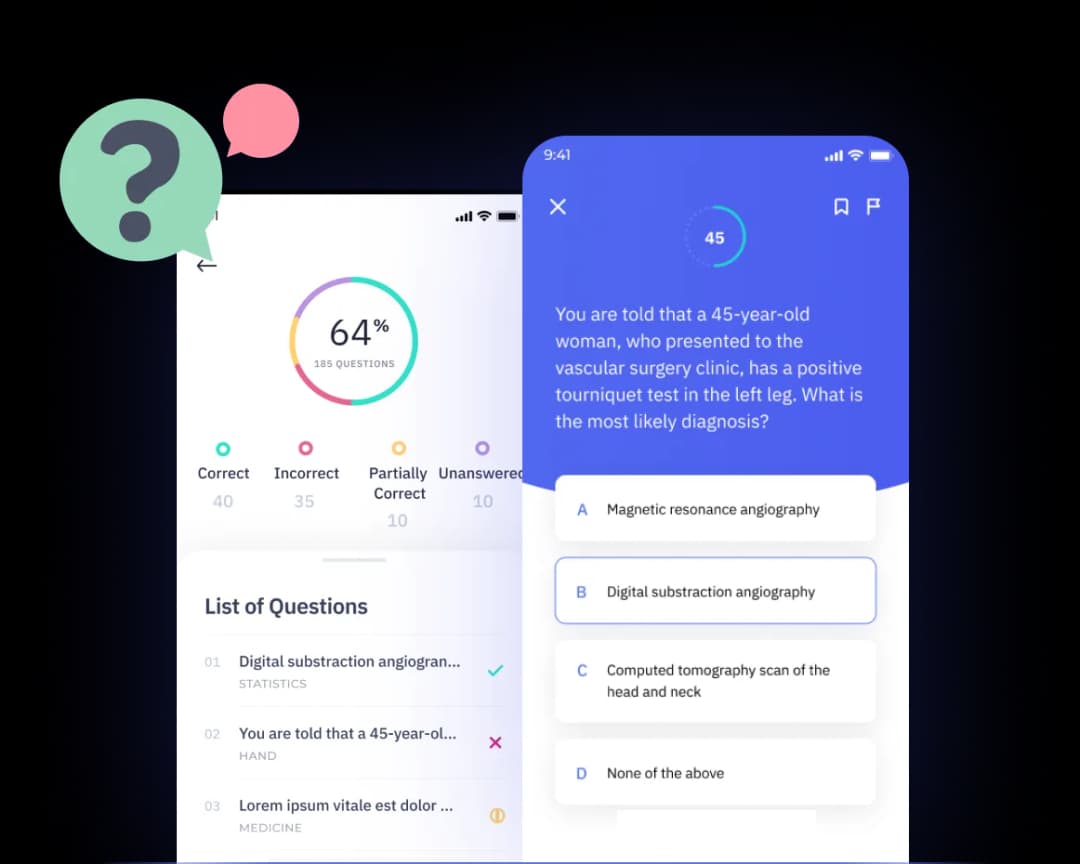
Several platforms have successfully integrated human elements into their AI tools. For instance, Shiken.ai creates interactive learning experiences that combine quizzes, role-playing, and coaching. This platform uses voice-enabled features to make learning feel more natural and engaging.
Another great example is QuillBot’s humanizing tool, which rephrases content to reflect a more human tone. It uses vast datasets of human-written text to ensure that the output remains relatable and authentic (Source: Free Humanize AI Tool).
Actionable Takeaway

To effectively humanize AI, focus on user-centric design and integrate relatable elements into your training tools. By doing so, you not only enhance learner engagement but also foster a more meaningful educational experience. Embracing this approach can lead to better learning outcomes for everyone involved.
Why Human-Centric Design Matters in AI Learning
A human-centric design in AI tools creates engaging and accessible learning environments. This approach limits confusion and ensures that all learners can benefit fully from the educational experience.
- Engaging designs keep learners interested. Research shows that well-designed tools increase student interaction by 35% (Source: "Human-Centered AI," Lindenwood). Engaging platforms can help students learn more effectively.
- Motivation matters for success. A friendly interface boosts student motivation and retention rates. Studies reveal that user-friendly tools can increase retention rates by up to 25%. This supports learners in sticking to their educational goals.
- Clear insights support instructors. Human-centric AI systems give actionable feedback, enhancing the teaching experience. Instructors can quickly identify areas where students struggle, allowing them to adjust their methods as needed.
The Impact of User-Friendly Learning Tools
A focus on human-centric design shapes learning experiences. It begins with understanding the users — the students and teachers. Direct user involvement in the design process leads to tools that truly meet their needs (Source: "What Is Human-Centered AI?," IxDF). If learners find the tools easy to navigate, they're more likely to engage consistently.
User-friendly designs also create a sense of belonging. When students feel supported by the technology, their confidence grows. This can lead to improved performance as learners believe in their ability to succeed.
When AI aligns with human values, it becomes a powerful partner in education. This synergy not only enriches learning but also fosters a deeper understanding of subject material. By investing in a human-centric approach, we can effectively humanize AI, ensuring it serves as a motivational force in education.
To truly transform learning, we must prioritize design that puts users at the center. By doing so, we pave the way for innovative educational tools that enhance every learner's journey.
How to Leverage AI for Personalized Training Experiences
Organizations often face the challenge of meeting diverse employee training needs. Every learner has a unique background, skills, and learning pace. Regular training programs may leave some individuals bored while others struggle to keep up. To effectively engage all employees and enhance their skills, it's essential to humanize AI and tailor training experiences to individual requirements.
AI can analyze data to identify each learner's specific needs. By using data analytics, organizations can gather insights into employee performance, preferences, and learning styles. Once this information is collected, AI can create personalized learning paths. For instance, a worker excelling in specific areas can be provided with advanced resources, while someone who needs support can receive more foundational content (Source: "How to Use AI in Training for Personalized Learning and Measurable Results").
Custom Learning Paths
Utilizing AI allows you to create customized learning trajectories based on real-time performance metrics. This means training programs can be adjusted instantly according to how each learner is progressing. AI can identify when someone is struggling with a concept and provide additional resources or tips. This not only makes learning more efficient but also keeps employees motivated and engaged.
With adaptive learning technologies, AI can modify training materials in real-time. When AI detects that a learner is having difficulty, it can automatically suggest alternative methods or materials. This adaptive approach helps maintain learner engagement and satisfaction (Source: "Leveraging AI for Personalized Employee Development"). It empowers employees to take control of their learning journey.
In the end, using AI to personalize training not only helps employees develop their skills but also enhances overall productivity. By embracing these AI-driven strategies, organizations can build a more skilled and adaptive workforce ready to meet future challenges. Tailored training experiences create an engaged environment where every learner can thrive.
Practical Techniques to Humanize AI Content
Bold techniques like storytelling, voice interactions, and feedback loops can effectively humanize AI content. These methods make interactions more relatable and engaging.
Storytelling is a powerful tool. When you add narrative elements to AI-generated content, you captivate your audience. For example, instead of stating facts about climate change, tell the story of a family affected by rising seas. This approach makes the information accessible and memorable. Connecting complex issues to real experiences engages readers emotionally, which can lead to a deeper understanding.
Integrating voice interactions can also enhance the user experience. Using AI to create responsive dialogues allows users to engage with the content naturally. Imagine a training module featuring a virtual coach that responds to your queries in real time. This scenario not only makes learning easier but also mimics human-like conversations. A study by Microsoft reveals that conversations in training provide a more engaging learning atmosphere (Source: Microsoft 365).
Feedback loops personalize the learning experience. When users can provide feedback and see adjustments based on their input, it feels more human. For instance, if an AI system learns a user struggles with a specific topic, it can offer tailored resources to help. This customization not only makes learning more effective but also fosters a sense of connection between the user and the technology.
Humanizing AI content requires creativity and a focus on connection. By telling stories, incorporating voice interactions, and enabling feedback loops, you can create engagement that resonates. These strategies can transform AI into a more relatable and effective learning partner.
The Role of Coaching and Support in AI Training
Coaching enhances AI-driven learning by providing personal guidance and support. Integrating role-playing scenarios allows learners to experience real-life situations, making the training engaging and effective.
The Power of Role-Playing
Role-playing scenarios simulate real-world interactions. For example, a healthcare professional could practice patient conversations using AI. This approach reinforces learning by allowing users to face challenges in a safe environment. Studies show that experiential learning leads to a deeper understanding. In fact, learners retain 75% of information when they actively participate compared to just 5% when they read passively (Source: Frontiers, 2020).
One-on-One Coaching Sessions
Tailored coaching sessions help individuals address specific needs. Personalized coaching allows for focused skill development. Whether it's enhancing communication or understanding complex topics, one-on-one support makes learning more efficient. For instance, AI tools like Aiiron help reinforce new behaviors between sessions, making coaching more effective (Source: AIIR Consulting, 2023). This method not only improves skills but also builds confidence.
Building a Supportive Community
Creating a community around AI-enhanced training fosters collaboration. When learners connect, they share insights and experiences. This network can include discussion forums, study groups, and workshops. Support from peers is invaluable, especially during challenging times. Research shows that community support can increase motivation and reduce stress (Source: PMC, 2022).
In summary, coaching not only complements AI training, but it also helps humanize AI by making learning more personal and engaging. Together, they transform the learning experience into a powerful, supportive journey.
What Are the Benefits of AI-Driven Learning Platforms?
AI-driven learning platforms, like Shiken.ai, significantly enhance education by reducing content production time by up to 70%. This not only allows for faster content creation but also streamlines the entire learning process.
One of the standout features of platforms such as Shiken.ai is their ability to consolidate various elements of learning. Instead of using multiple systems for content creation, delivery, and analytics, everything is available in one place. This simplification improves user experience and saves precious time for both educators and learners. By bringing all functionalities together, users can focus more on their learning goals and less on managing different tools.
Another major advantage is the ability to deliver measurable performance gains. With real-time analytics, users can easily identify skill gaps and track their progress. This data-driven approach allows learners to focus on areas where they need improvement, enhancing the overall effectiveness of the training. Organizations can quickly adjust their training strategies based on these insights, leading to more targeted learning experiences. As stated in a study, 44% of AI-assisted learning systems provide instant feedback, which is crucial for continuous improvement (Source: Top AI-powered learning platforms).
Actionable Insights
For professionals and teams eager to upskill, using an AI-driven platform like Shiken.ai can lead to a more engaging and productive learning environment. Whether you need to create quizzes, coaching modules, or role-playing scenarios, everything is simplified.
By embracing these tools, organizations can not only save time but also meet their learning objectives more effectively. In the world of upskilling, integrating AI helps to humanize AI, making learning feel personal and relevant.
Here is a quick overview of the benefits of AI-driven learning platforms that help to humanize AI.
Is Humanizing AI the Future of Learning?
Humanizing AI is set to transform the future of learning by making educational experiences more engaging and emotional. Experiential learning focuses on real-life experiences, encouraging learners to apply knowledge in practical ways. This trend is growing, as it matches how people naturally learn, interact, and develop skills.
Innovations in educational AI are incorporating emotional intelligence, making these tools not just smart but also relatable. For example, AI platforms can now analyze student emotions and adapt content accordingly. This includes adjusting the tone of responses or providing encouragement based on a learner’s mood. A study shows that courses with humanized AI content perform up to 40% better than standard AI-generated courses (Source: Humanizing AI: Why reclaiming your voice matters in 2026). These enhancements show that learners respond positively to machines that understand their feelings.
The Future of Learner Interaction with AI Tools
As AI evolves, interactions between learners and AI tools will deepen. Instead of simple question-and-answer formats, future AI could engage in back-and-forth conversations. This progression allows learners to explore topics more fully, asking questions and receiving tailored feedback. Platforms like Shiken.ai already enable personalized interactions through voice-activated role-plays and quizzes. As these tools develop, they will prioritize empathy and connection, creating a learning environment that feels more human.
In conclusion, the future of learning with humanized AI looks promising. As we integrate more emotional intelligence into AI systems, we can enhance our educational experiences. This shift not only improves engagement but also nurtures a deeper understanding of subject matter.
To truly benefit from technology, we must continue to humanize AI in education, making learning more personal and impactful.
Frequently Asked Questions
What does it mean to humanize AI in learning?
Humanizing AI in learning means making AI systems more relatable and user-friendly. This involves designing AI tools that understand and respond to human emotions, preferences, and needs. By doing this, learners feel more engaged and connected to their educational experience. For example, an AI tutor that adapts its responses based on a student's mood can create a more personalized and effective learning environment.
How can AI improve engagement in training programs?
AI enhances engagement in training programs by providing personalized experiences. It analyzes data about learners' preferences and performance, tailoring content to fit their needs. This can lead to higher retention rates and motivation. For instance, adaptive learning platforms can adjust the difficulty of quizzes based on a learner’s past scores, keeping them challenged but not overwhelmed.
What are some examples of humanized AI tools?
Examples of humanized AI tools include interactive learning platforms like Shiken.ai, which offers voice-enabled role plays and quizzes. Other tools focus on content creation, such as QuillBot's and Grammarly’s humanizer features, which rewrite AI-generated text to sound more natural and human-like (Sources: 1, 3). These tools bridge the gap between AI responses and authentic human interaction.
Can AI adapt to different learning styles?
Yes, AI can adapt to various learning styles by analyzing each learner's preferences and behaviors. For example, an AI system can offer visual aids for visual learners while providing audio content for auditory learners. This flexibility makes learning experiences more effective and inclusive, allowing students to engage in ways that suit them best.
What are the challenges of implementing human-centric AI?
Implementing human-centric AI comes with challenges such as ensuring data privacy and managing biases in AI algorithms. Educators must ensure that AI tools respect students' personal information while also being accurate and fair. Furthermore, there can be resistance from both educators and students who may find adapting to AI technology difficult.
How do analytics support personalized learning with AI?
Analytics play a key role in supporting personalized learning by providing insights into student performance. AI systems can track progress and identify areas that need improvement. This real-time feedback allows educators to adjust their teaching strategies, ensuring that each learner receives the support they need to succeed with AI integration.
What is the future of AI in education?
The future of AI in education looks promising, with an emphasis on making learning more customized and efficient. AI is expected to become more predictive, helping educators foresee student challenges before they become significant issues. As technology improves, humanizing AI will be crucial for ensuring that education remains engaging and effective.
Is humanizing AI necessary for effective learning?
Yes, humanizing AI is necessary for effective learning because it enhances engagement and connection. When students feel understood and valued, they are more likely to participate actively and excel. A human-centered approach to AI fosters a supportive learning environment that can lead to better educational outcomes.
In summary, humanizing AI in education builds a bridge between technology and personal learning, creating a more engaging and effective learning environment.