How to Run AI Roleplay Training for Effective Learning
Quick Summary
Unlock the power of effective learning with our guide on how to run AI roleplay training. Enhance skills through interactive scenarios and real-time coaching!

Introduction to AI Roleplay Training

AI roleplay training is a modern learning technique that uses artificial intelligence to create interactive training scenarios. This approach allows learners to practice skills in a realistic environment. By simulating real-life situations, AI roleplay training prepares individuals to face challenges in their jobs effectively.
Interactivity plays a key role in how we learn. Engaging with content actively helps solidify knowledge. When learners participate in roleplay, they can practice responses and decision-making in real time. This method fosters deeper understanding and retention of the material.
Shiken harnesses the power of AI to deliver effective roleplay scenarios. With our platform, users can create tailored experiences that align with their specific learning needs. The AI component not only designs the roleplays but also provides helpful feedback. This real-time coaching enables students to improve their skills continuously.
AI roleplay training has become essential in today’s world. According to a guide by SymTrain, this approach makes training available 24/7, accessible from anywhere, and tailored to individual needs (Source: The Complete Guide to AI Roleplay). Such features enhance the learning experience, making it more flexible and convenient.
By combining interactivity with AI technology, Shiken sets a new standard for effective learning environments. Our platform enables seamless content creation, delivery, and assessment all in one place.
"AI roleplay training empowers learners to engage, practice, and perfect their skills in a supportive, realistic setting."
How to Run AI Roleplay Training Effectively
Running effective AI roleplay training requires careful planning. Follow these steps to get started.
- Identify training objectives and key skills. Begin by defining clear training goals. Decide which skills are important for your team. Focus on developing specific abilities, such as communication or problem solving.
- Select appropriate AI roleplay scenarios. Use Shiken's platform to find scenarios that match your training needs. Look for real-life situations that your team might face. According to JoySuite AI, scenarios should progress in difficulty and maintain focus on one learning objective (Source: JoySuite AI).
- Facilitate roleplay sessions for maximum engagement. Make roleplay sessions interactive to keep learners interested. Encourage team members to participate actively and give feedback. Using Shiken's AI-driven role-playing scenarios helps create engaging experiences, enhancing skill retention.
Best Practices in Roleplay Facilitation
- Prepare your team. Share clear instructions ahead of time. Ensure everyone understands the goals and the scenarios.
- Create a safe environment. Encourage openness and creativity. Remind participants that mistakes are part of the learning process.
- Debrief after each session. Discuss what went well and areas for improvement. This reflection helps reinforce learning and guides future training.
Implementing these steps will make your training sessions more effective and enjoyable. Remember, the goal is to make learning interactive and impactful.
To summarize, knowing how to run AI roleplay training includes setting objectives, choosing suitable scenarios, and facilitating engaging sessions. Clear planning drives success in training initiatives.
Creating Interactive Scenarios with Shiken

Creating engaging roleplay scenarios can be a challenge. Many training programs fall flat because they don’t reflect real-world situations. This often leads to boring learning experiences that fail to engage participants. Without dynamic, relatable scenarios, learners may not grasp key skills or concepts effectively.
Shiken’s AI-driven content creation tools can help you craft these interactive scenarios. Start by identifying the real-world challenges your team faces. Use Shiken to design roleplay situations that mirror those challenges. For instance, you can create customer service interactions, negotiation tactics, or even sensitive workplace discussions. By tailoring scenarios to meet specific learning goals, you help learners practice in a safe, controlled environment.
Real-time feedback mechanisms enhance the learning experience. Shiken allows participants to receive instant feedback as they navigate through scenarios. This immediate response keeps learners engaged and offers critical insights into their performance. For example, if a learner struggles with a particular approach during a roleplay, they can adjust their method in real-time. This adaptability makes the training more effective.
Research shows that using realistic roleplay scenarios boosts knowledge retention and skill development (Source: AI Scenario Training). By integrating Shiken’s features, you ensure that learners practice skills they’ll actually use on the job. This helps your training maintain relevance and drive real results.
To maximize impact and engagement, focus on creating scenarios that reflect true-to-life challenges. This method empowers learners with skills they can apply immediately. With Shiken, running AI roleplay training becomes a dynamic, enjoyable process that transforms learning into real-world applications.
Takeaway: Using Shiken, you can create interactive scenarios that engage learners and prepare them for real-life challenges.
Incorporating 1-1 Coaching in Roleplay Training
1-1 coaching significantly boosts the impact of AI roleplay training, leading to better learning outcomes. Personalized coaching helps learners gain confidence, mastery, and real-world skills quickly.
Incorporating 1-1 coaching into roleplay training provides tailored feedback for each participant. AI systems analyze interactions and offer insights to coaches, who then support learners directly. This personalized approach helps address specific weaknesses and strengths. For example, a sales trainee can receive immediate guidance on handling objections in a simulated customer interaction, allowing for real-time improvement (Source: AI Coaching Roleplay for Corporate Training).
Research shows that learners who engage in personalized coaching enjoy heightened knowledge retention. According to a study, personalized training can increase learning efficiency by up to 50% (Source: AI Roleplay: Making Training Immersive). By creating an environment where learners can practice in real-time, roleplay coaching enhances their ability to apply skills in actual scenarios.
Effective coaching techniques can transform AI roleplay training. Some methods include:
- Prompting Questions: Coaches can ask open-ended questions to encourage critical thinking.
- Role Reversal: Letting learners play the role of the customer or opponent helps them view situations from different perspectives.
- Feedback Loops: Providing instant feedback during simulations helps reinforce learning and boosts confidence.
These practices foster a supportive environment, allowing learners to make mistakes and learn from them. The synergy between AI simulations and 1-1 coaching creates a powerful training experience.
Including personalized coaching in your approach will transform how to run AI roleplay training, creating skilled and confident learners.
Analyzing Training Outcomes with Real-Time Analytics
Real-time analytics play a pivotal role in evaluating how to run AI roleplay training effectively. Shiken's analytics features provide clear insights into learner performance and growth. With data at your fingertips, you can adjust training to directly meet the needs of your team.
Overview of Shiken’s Analytics Features
Shiken offers a comprehensive set of analytics tools that track decision-making patterns and skill application. For instance, you can see completion rates, engagement levels, and overall performance metrics. More than just tracking, these tools identify areas needing improvement. For example, if a significant number of users struggle with a specific scenario, you can enhance that content to better meet learner needs.
Measuring Skill Gaps and Improvement
By leveraging detailed analytics, you can measure skill gaps and monitor improvement over time. Shiken's platform allows you to analyze metrics like win rates, deal velocities, or renewal percentages from your AI roleplay scenarios. For example, a recent training session showed a skill improvement differential of 20% in participants who practiced using AI roleplays. This shows that not only are they learning, but they're also applying that learning effectively in real-world scenarios (Source: GTM Buddy).
Tips for Refining Future Training Sessions
To make the most of these insights, take these steps to refine your future training sessions:
- Regularly review analytics to track progress.
- Identify common areas of struggle and adapt scenarios to target these skills.
- Solicit participant feedback to understand their training experience.
By incorporating this feedback loop, you can continuously enhance the training material. For example, adjust scenarios based on survey responses or analytics data, ensuring each session is more relevant and effective.
Shiken empowers users with the insights they need to make data-driven decisions. With real-time analytics, you're not just guessing what works — you have the evidence to support your training strategies. Embrace these tools to elevate how you run AI roleplay training and ensure measurable success.
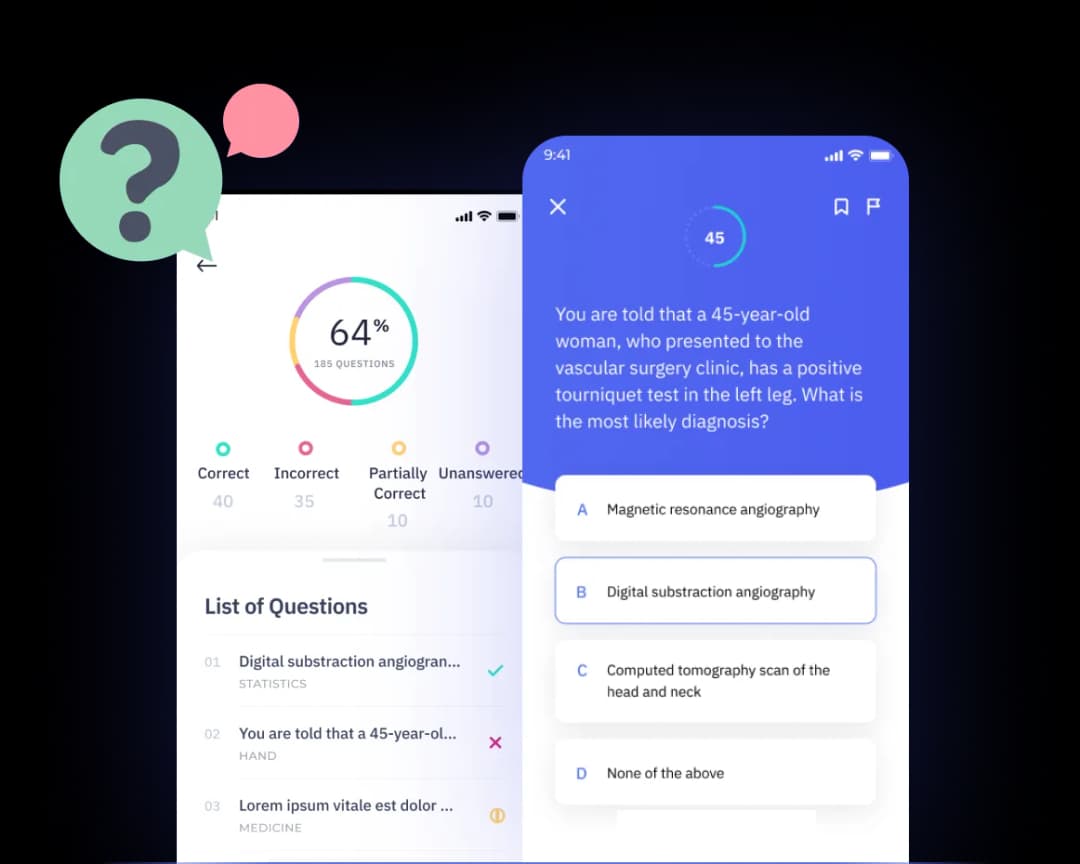
To effectively analyze training outcomes, here’s a quick overview of Shiken's analytics features for how to run AI roleplay training.
Best Practices for AI-Enhanced Learning Experiences
Active participation is the key to a successful learning experience. Encourage learners to engage and collaborate with one another throughout AI roleplay training. When participants discuss scenarios, share feedback, and work together, they deepen their understanding of the material. This collaborative approach enhances critical thinking and applies what they've learned in a real-world context.
Incorporating varied learning formats keeps training engaging. Blend roleplay with videos, quizzes, and discussions to cater to different learning styles. For instance, while one learner may thrive in a roleplay setting, another might benefit from a quick quiz to reinforce concepts. Using multiple formats increases learner retention and makes the experience more dynamic (Source: "AI Roleplay: Making Training Immersive ...").
Continuous feedback is vital for improving AI roleplay training. Provide participants with real-time insights, allowing them to adjust their strategies on the spot. This iterative process not only boosts confidence but also fuels their desire to improve. Gathering feedback at the end of each training session can also guide future iterations, refining the experience based on learners' needs.
Finally, integrate analytics to measure engagement and retention. Tracking how users interact with training content can highlight which strategies work best. Shiken’s platform allows for easy data export and analysis, ensuring that both trainers and learners are on the same page.
In summary, maximizing engagement requires active participation, diverse learning methods, and ongoing feedback. By focusing on these best practices, you can enhance the effectiveness of your AI roleplay training.
Takeaway: Effective AI roleplay training thrives on collaboration, varied formats, and continuous feedback to engage learners actively.
FAQ: Common Questions About AI Roleplay Training
What technologies are needed for AI roleplay training?
To run AI roleplay training, you need a reliable platform like Shiken. This platform offers tools for creating and managing scenarios. Additionally, it requires access to audio and video capabilities for a complete immersive experience. Users also benefit from a stable internet connection. With these technologies, participants can engage and learn effectively.
How can I track progress in AI roleplay training?
You can track progress using built-in analytics tools in platforms like Shiken. These tools provide insights into performance, skill gaps, and session engagement. Participants can receive feedback after each roleplay. This enables them to understand their strengths and areas for improvement. By analyzing this data, trainers can adjust future training sessions to enhance learning outcomes.
What types of scenarios can be created?
In AI roleplay training, you can create a wide range of scenarios. Examples include customer service interactions, negotiation exercises, and leadership challenges. Each scenario can be tailored to mimic real-life situations relevant to different roles. This helps learners practice skills in a safe and controlled environment, boosting their confidence and preparedness for actual encounters.
How does roleplay training improve team dynamics?
Roleplay training fosters better communication and collaboration among team members. It encourages individuals to understand different perspectives and develop empathy. By simulating real-world challenges, team members learn to support each other better. Improved team dynamics can lead to more efficient problem-solving and a stronger overall workplace culture.
Can AI roleplay training be customized for different industries?
Absolutely! AI roleplay training can be customized to fit various industries like healthcare, sales, or education. Each vertical has specific challenges and scenarios. This customization ensures that the training is relevant and applicable, enhancing its effectiveness. By addressing industry-specific needs, teams can gain practical skills that apply directly to their roles.
AI roleplay training offers an engaging way for diverse teams to enhance their skills. This method is both effective and adaptable for various contexts.