How to Push Microlearning to Slack and Teams Effectively
Quick Summary
Discover how to push microlearning to Slack and Teams effectively to enhance team productivity. Transform training with engaging, bite-sized content today!

Understanding Microlearning: An Overview

Microlearning is a training approach that delivers content in small, focused bursts. This method allows learners to absorb information quickly. Instead of long training sessions, microlearning offers specific insights that can be used right away.
One key characteristic of microlearning is its flexibility. Content can be accessed anytime and anywhere, making it suitable for busy work environments. These bite-sized lessons cater to the needs of employees who may struggle to find time for extended training. This efficiency is particularly crucial in today’s fast-paced world.
The Significance of Bite-Sized Learning
Delivering content in bite-sized formats has numerous advantages. It keeps employees engaged and motivated. When training is short and to the point, learners are more likely to complete it. According to research, short lessons can help maintain high engagement levels, allowing knowledge to compound over time (Source: Leveragai).
Microlearning aligns perfectly with employee training and upskilling. Companies need to adapt to changes quickly, and microlearning provides a way to update training as needed. New features or common support questions can be addressed efficiently through targeted lessons (Source: Doozy).
Supporting Continuous Learning
This approach supports continuous learning, making it easier for employees to stay informed. By integrating microlearning into platforms like Slack and Microsoft Teams, companies can meet employees where they work. This integration helps eliminate learning friction and makes information easily accessible (Source: Crescendo).
In summary, microlearning is about delivering quick, relevant content that fits into the flow of work. It's an effective way to enhance employee training and adapt quickly to new demands.
"Microlearning creates a seamless learning experience, enabling employees to learn just in time, right within their workflow."
Why Use Slack and Teams for Microlearning?

Microlearning is an effective way to enhance employee training. Using popular tools like Slack and Microsoft Teams can further boost its effectiveness. Here are some reasons why integrating microlearning into these platforms is beneficial.
- Slack and Teams are widely used in most workplaces. Nearly 80% of companies leverage one of these tools for daily communication. This familiarity helps with quicker adoption of training.
- Microlearning fits seamlessly into the workflow. By delivering lessons within platforms employees already use, learning becomes part of the day-to-day routine. This integration can reduce the learning curve significantly.
- Engagement levels increase in familiar environments. Employees are more likely to participate in training when they don’t have to navigate new software. In fact, organizations can see a 10x boost in learning adoption rates when using these platforms (Source: 4 Ways to Use Slack & Teams).
- Just-in-time learning promotes knowledge retention. Delivering training in Slack or Teams allows employees to access information when they need it. This increases both understanding and application of new skills.
- Automation tools enhance the learning experience. Tools like Zapier can schedule reminders and track progress automatically. According to studies, keeping engagement high through such methods helps knowledge compound over time (Source: Syncing with Slack).
Using Slack and Teams for microlearning can transform how your team learns. By integrating training into platforms they already use, companies can foster a more engaged learning culture.
“Microlearning in familiar environments leads to better employee engagement and learning outcomes.”
How to Push Microlearning to Slack and Teams Effectively
Many teams struggle to integrate learning into their daily workflow. Employees often find traditional training methods time-consuming and disengaging. This leads to low participation in training programs and missed opportunities for skill improvement. The challenge is to find a way to make upskilling easy and seamless within tools like Slack and Microsoft Teams.
To solve this, consider embedding microlearning directly into your communication tools. Utilize short, focused modules that employees can complete quickly. Start by identifying key topics relevant to your team's current projects. When a new feature is launched or a common issue arises, share a quick reminder or a lesson using a direct message in Slack or Teams. For example, "Did you know there's a new reporting feature? Here’s a 5-minute video on how to use it!" This approach encourages learning in real-time and keeps essential skills fresh.
Promoting and sharing this content is just as vital. Use dedicated channels for learning, where team members can access microlearning resources anytime. Encourage team leaders to highlight new microlearning content during team meetings or through regular updates. You can even gamify the process, rewarding team members for completing modules or participating in discussions about them. Studies show that delivering learning directly in Slack or Teams can increase adoption rates by up to 10x (Source: "4 Ways to Use Slack & Teams to 10x Your Learning Adoption Rates").
Measuring Engagement
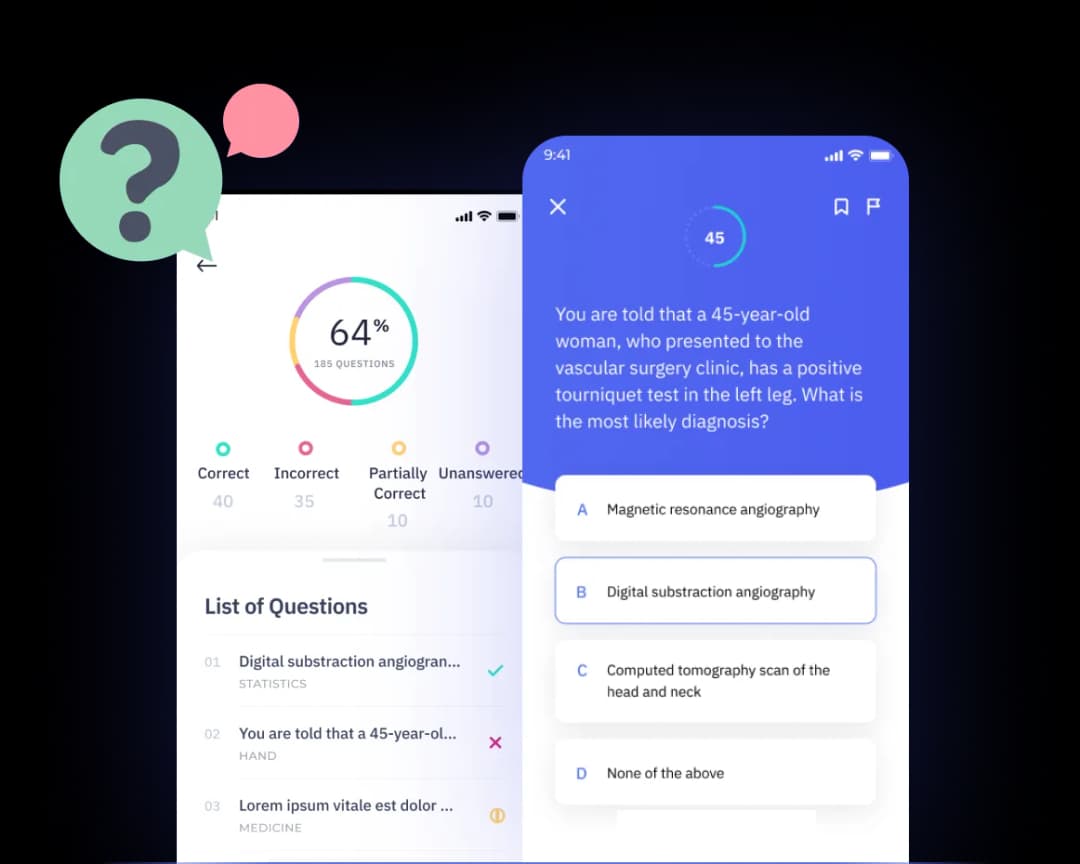
It's crucial to track how your team interacts with the microlearning materials. Use analytics to gain insights on usage patterns. For example, consider how often employees complete modules or engage with quizzes. Platforms like Shiken.ai provide real-time analytics and skill-gap insights. You can leverage this data to adjust your content strategy.
Analyze which topics generate the most interest and which might need refinement. Regular feedback should also be encouraged from team members to gather insights on their learning preferences. By understanding these patterns, you can continuously improve your approach.
The key takeaway is that effective microlearning in Slack and Teams not only keeps training relevant but also engages employees where they already work. By integrating learning into everyday tools, you can foster a culture of continuous development that benefits the entire team.
Combining AI-Powered Learning with Team Collaboration
TL;DR: Shiken's AI-driven platform personalizes microlearning and enhances collaboration in Slack and Teams. This creates engaging content while tracking progress effectively.
Artificial intelligence plays a crucial role in transforming microlearning experiences. Shiken uses AI to personalize content based on individual learning styles and preferences. This means lessons can be tailored to each user's needs, keeping them engaged. AI identifies knowledge gaps and suggests specific modules to fill them, making the learning process more efficient.
Shiken’s platform also integrates assessments and analytics seamlessly into Slack and Teams. This enables teams to track their progress easily. For example, if a team is using a new software tool, short quizzes can reinforce new skills without interrupting workflow (Source: Doozy). Real-time analytics show who has completed the training and who may need more support, helping team leaders focus their efforts.
Real-Time Coaching and Feedback
Another standout feature of Shiken’s platform is its coaching and real-time feedback. Learners receive guidance based on their performance, which helps improve their skills faster. The AI-driven role-playing scenarios provide a realistic environment for practicing new skills. For instance, a sales team can practice client interactions through simulated conversations, gaining instant feedback. This experiential learning boosts confidence and prepares team members for real-world challenges.
Using Shiken's AI capabilities also means learning doesn't have to happen in isolation. Teams can collaborate on projects and share insights through Slack or Teams as they progress. The integration makes it easier to exchange ideas and apply new knowledge directly to their daily tasks (Source: Leveragai).
In summary, Shiken effectively enhances microlearning by combining AI-powered personalization with team collaboration. Harnessing this technology not only enriches the learning experience but also maximizes team performance. Teams learn how to push microlearning to Slack and Teams, while gaining the benefits of personalized and analytics-driven education.
Best Practices for Engaging Remote Teams through Microlearning
Engaging remote teams through microlearning is key to fostering continuous growth. Here are some best practices to maximize participation.
Create Interactive and Diverse Content Types
Interactive content captures attention better than static materials. Use a combination of quizzes, videos, and role-playing scenarios to cater to different learning styles. For instance, Shiken allows you to create voice-powered quizzes or short courses. These formats keep learners interested and promote active participation. Also, consider incorporating user-generated content. Empower team members to share tips or best practices, creating a sense of community and ownership over the learning process.
Foster a Culture of Continuous Learning
Building a culture of learning keeps remote teams engaged. Start by setting clear expectations about learning goals. Schedule regular check-ins or group discussions to celebrate achievements and share insights. For example, host monthly virtual meet-ups where team members can present what they've learned. This not only increases engagement but also encourages collaboration. Studies show that workplaces with strong learning cultures see employee engagement rates rise by up to 30%.
Utilize Gamification and Rewards
Gamification can significantly boost participation. Incorporate elements like leaderboards, badges, or progress tracking to create a competitive spirit. For example, using tools like Simple Poll in Slack can help gather quick feedback and gauge understanding. A study revealed that gamified learning increases retention rates by up to 90% (Source: Doozy). Establish a rewards system where team members earn points or recognition for completing modules. This adds an element of fun and motivates everyone to engage.
Remember, the key to successfully pushing microlearning to Slack and Teams is to make it engaging and relevant. By creating diverse content, enhancing learning culture, and integrating gamification, you can keep remote teams motivated and committed to their development.
Takeaway: Engaging microlearning initiatives lead to empowered teams and a more productive workplace.
Measuring the Impact of Microlearning on Team Performance
Measuring the impact of microlearning is essential for demonstrating its effectiveness on team performance. By tracking specific metrics, you can evaluate learning outcomes and identify areas for improvement.
Key Metrics to Track
To assess how well your microlearning initiatives work, focus on key metrics such as:
- Engagement Rates: Track how many team members participate in learning activities.
- Completion Rates: Monitor how many users finish the training modules.
- Skill Acquisition: Evaluate the improvement in skills after training.
- Feedback Scores: Collect feedback on training relevance and usefulness.
Using these metrics can help paint a clear picture of your team's learning progress.
Using Analytics for Improvement
Analytics tools provide real-time data on how to push microlearning to Slack and Teams. This allows you to:
- Identify Skill Gaps: Look for recurring topics where scores are low.
- Adjust Content: Tailor learning modules based on performance data.
- Spot Trends: Notice patterns in engagement that show areas needing attention.
Reports show that using analytics dashboards can measure learning engagement and impact effectively (Source: Leveragai).
Demonstrating ROI
To get buy-in from stakeholders, you need to illustrate the return on investment (ROI) of microlearning. Show how it saves time and boosts performance. You can do this by:
- Comparing productivity rates before and after training.
- Highlighting cost savings due to reduced training time.
- Presenting success stories that demonstrate real impact.
These efforts can prove to decision-makers that implementing microlearning in Slack and Teams is worthwhile.
Quotable takeaway: “Tracking the right metrics not only shows success but also uncovers the potential for ongoing improvement in team performance.”
To effectively measure the impact of microlearning on team performance, consider tracking these key metrics.
How Can Learning Analytics Enhance Microlearning?
Learning analytics can significantly improve how teams engage with microlearning through powerful data insights. Here are some key benefits.
- Understanding learner behaviors leads to tailored content. Analytics helps identify which topics resonate most with learners, allowing you to create content that caters to their preferences.
- Real-time feedback enables quick adjustments. With ongoing analytics, you receive immediate insights into content effectiveness. This allows you to refine and enhance learning materials quickly.
- Data drives informed training initiatives. By analyzing engagement metrics, you can identify skill gaps. This information guides future training, ensuring it meets learners' needs efficiently.
- Customized learning paths improve retention. Research shows that personalized learning boosts retention rates by up to 60%. Analytics helps create paths that align with individual goals and learning styles.
- Engagement metrics show the content's impact. Tracking completion rates, quiz scores, and time spent on modules offers insight into learner engagement. This helps you understand what works and what needs improvement.
- Predictive analytics can forecast learning outcomes. Using data trends, you can predict how learners will perform in future training, allowing for adjustments before issues arise.
Learning analytics gives you the tools to push microlearning to Slack and Teams effectively. By harnessing data, Shiken ensures your content is engaging and effective.
Takeaway: Continuous analysis transforms learning experiences, ensuring that microlearning meets the evolving needs of your team.
Frequently Asked Questions
What is the best format for microlearning content?
The best format for microlearning content includes short, easily digestible pieces. Consider using 30-90 second videos, quizzes, and bullet-point summaries. These formats keep learning quick and engaging. They align with how people consume information today. You want content that your team can consume in under a minute. This approach results in higher participation rates and better retention of knowledge (Source: AICoursify).
How can I encourage team participation in microlearning?
To encourage team participation in microlearning, create a culture of learning. First, reward engagement through recognition programs or small incentives. Additionally, make the learning content relevant to team goals. Use interactive elements, like quizzes or polls, to make it fun. Always ask for feedback to keep improving the learning experience. Automate reminders to ensure your team remembers to participate. This strategy drives excitement and builds a learning community.
What types of content work best on platforms like Slack and Teams?
On Slack and Teams, short and interactive formats work best. Think of quick quizzes, interactive videos, or daily tips. Content that fits into the existing workflow is key. For example, self-paced quizzes or post-lesson surveys can be effective. This type of content keeps the information flowing and makes it easy for users to engage without leaving their platforms (Source: Doozy).
How do I measure the effectiveness of microlearning?
To measure the effectiveness of microlearning, track key metrics such as engagement rates, completion times, and quiz scores. Use tools like real-time analytics to understand how teams interact with the content. Identify patterns in data to highlight knowledge gaps and make adjustments as needed. Regular evaluations will help you optimize the learning experience and ensure it meets your team's needs.
Can I customize the microlearning experience for different teams?
Yes, you can customize the microlearning experience for different teams. Tailoring content to meet the specific needs and skills of each group enhances relevance. Use role-specific scenarios or quizzes to keep learning aligned with team goals. Targeting can also involve adjusting delivery times based on team schedules. This personalization increases engagement and ensures everyone receives training that fits their unique context (Source: Doozy).
The key takeaway is that understanding how to push microlearning to Slack and Teams effectively involves choosing the right formats, engaging teams, and measuring success through analytics. By tailoring content to fit different teams, you create a more impactful learning experience.