Case Study Shiken Enterprise Upskilling Rollout Cost Explained
Quick Summary
Discover how Shiken's innovative approach to upskilling impacts rollout costs. Learn to maximize ROI with AI-powered learning. Explore our case study now!

Understanding Shiken's Approach to Upskilling

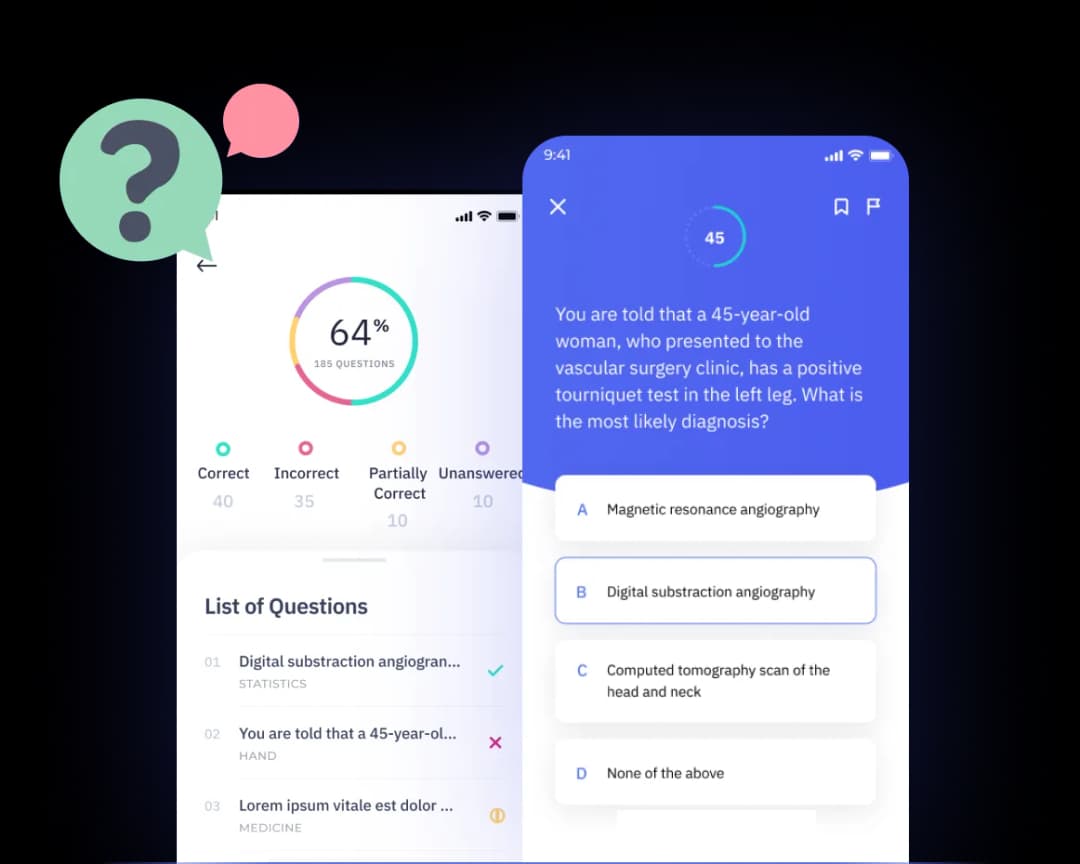
Shiken is an AI-powered learning platform that reshapes how companies approach employee training. Using innovative technology, Shiken makes upskilling engaging and efficient.
Shiken's platform stands out for its AI-driven content creation, which can cut production time by up to 70%. Businesses can create interactive quizzes, courses, and roleplays quickly. This efficiency allows organizations to focus on what truly matters: employee learning and growth.
Personalized Learning Paths
One of Shiken's standout features is its ability to personalize learning paths for teams. This customization ensures that each employee receives training tailored to their specific skills and needs. By analyzing their capabilities, Shiken delivers the most relevant content. Companies can enjoy greater employee engagement and improved performance through this targeted approach.
Interactive Content Drives Engagement
Shiken also prioritizes interactive content to keep learners interested. Features like voice-powered role-plays and quizzes make the training experience more dynamic. This interaction not only boosts engagement but also encourages retention of information. Increased interaction means employees are more likely to apply what they learn in real-life situations.
In essence, Shiken's unique approach combines personalization, efficiency, and engagement. This creates a powerful upskilling environment that helps teams thrive.
“Shiken transforms corporate training through tailored learning experiences that engage and empower employees.”
Key insight: In 2026, enterprises increasingly treat upskilling rollout cost as a cross-team program cost, not just a licensing line item.
Case Study: Analyzing Shiken Enterprise Upskilling Rollout Cost

A case study breakdown helps you forecast the case study shiken enterprise upskilling rollout cost before you commit. Understanding the costs associated with the case study shiken enterprise upskilling rollout cost can guide organizations in making informed decisions. Let’s break down the expenses involved.
- Initial setup costs can vary widely depending on organizational size. For businesses with 100 employees, initial costs may start around $5,000, while larger firms could invest $20,000 or more.
- Ongoing operational expenses are crucial for budgeting. Monthly licensing fees range from $1,000 to $5,000, based on the features selected. This includes access to AI-driven tools and analytics.
- Choosing the right tier impacts cost-efficiency significantly. Higher tiers offer advanced features like real-time analytics and personalized coaching, making them suitable for larger teams or data-driven environments. Companies often find that a mid-tier package strikes a balance between features and costs.
- Organizations of different sizes have diverse budget considerations. A startup may focus on a basic package at a lower price point, while a medium-sized enterprise might benefit from the mid-tier option. Large corporations usually opt for premium plans to leverage custom features and integrations.
- Training and support costs add to the total expenses. Allocate around $1,000 to $3,000 for staff training sessions and customer support setup to maximize the platform's potential.
- Scalability can lead to long-term savings. Shiken’s AI-driven updates reduce content production time by up to 70%. This efficiency lowers overall operational costs as teams can focus more on strategy and less on manual content creation. Enterprise AI Upskilling Case Study...
In conclusion, understanding the case study shiken enterprise upskilling rollout cost involves careful assessment of setup, ongoing expenses, and tier selection. These elements play a pivotal role in maximizing the return on investment for any organization.
Research note: According to Simplilearn, scaling enterprise AI upskilling programs typically shifts effort from manual content creation to program governance and measurement.
A typical enterprise rollout also requires governance to keep costs from drifting. In 2026, cost drift often appears when ownership, reporting, and content change approvals are unclear.
What Is the Typical Cost Breakdown for an Enterprise Upskilling Rollout?
Enterprise upskilling rollout cost usually includes setup, licenses, enablement, and measurement. In 2026, many teams also budget for data connections and admin training, because integrations affect time-to-value.
For example, case study shiken enterprise upskilling rollout cost budgeting often separates spend into: (1) platform access, (2) content onboarding and localization, and (3) support coverage during the adoption window.
The Benefits of AI-Powered Learning in Upskilling
AI-powered learning improves speed, engagement, and measurable outcomes for enterprise training. In today's fast-paced work environment, upskilling employees can be time-consuming and costly. Traditional training methods often take too long to produce and lack engagement. This leads to wasted resources and makes it hard for companies to keep up with changes. Many organizations struggle to ensure that their teams have the skills they need to succeed.
Shiken offers a solution with its AI-powered learning platform. By leveraging AI, organizations can reduce production time of training content by up to 70%. This means faster training updates and new content creation, helping companies stay agile. The platform also enhances learner engagement through voice-enabled roleplays and interactive quizzes. This keeps employees interested, making them more likely to absorb information and apply what they learn.
The benefits of AI-powered learning extend beyond time savings. Shiken's platform scales training across multiple teams and locations, ensuring everyone has access to the same high-quality resources. Companies can create personalized learning experiences suited to various roles. With real-time analytics, organizations can monitor progress and quickly identify skill gaps. This feature helps in adjusting training strategies on the fly, ensuring each employee gets the support they need.
The case study on Shiken's enterprise upskilling rollout cost highlights its efficiency. Companies that utilize Shiken report not only lower costs but also improved performance from their teams. By integrating all key features into one platform, Shiken simplifies the learning process and makes upskilling manageable for everyone.
In summary, organizations that choose Shiken can expect faster and more engaging training. By embracing AI, companies not only enhance their training efforts but also empower their teams for success.
Why Is AI-Driven Content Creation Important for Rollout Cost Control?
AI-driven content creation reduces both time and effort per learning asset. Term is faster iteration: in 2026, that means fewer rework cycles when skill requirements change.
For your case study shiken enterprise upskilling rollout cost, this matters because fewer manual drafts usually reduce the “hidden” cost of subject matter expert (SME) time.
Shiken is an AI-powered learning platform that reshapes how companies approach employee training. Using innovative technology, Shiken makes upskilling engaging and efficient.
Key insight: In 2026, the lowest rollout cost often isn’t the cheapest license—it’s the plan that shortens the path to measurable proficiency gains.
Evaluating the ROI of Shiken's Enterprise Upskilling
ROI is what turns your upskilling investment into a trackable business result. Measuring the return on investment (ROI) from Shiken’s upskilling initiatives reveals clear benefits. Organizations can effectively track the impact on performance and costs.
To evaluate the ROI effectively, businesses should focus on key performance indicators (KPIs). Common KPIs include training completion rates, employee engagement scores, and skill proficiency growth. These metrics provide insight into how well training programs are working and if employees are applying what they learn effectively. Shiken’s real-time analytics makes tracking these KPIs easy and actionable.
Several case examples illustrate Shiken's positive impact on performance. For instance, companies using Shiken reported a 30% increase in skills application post-training. This demonstrates how the platform can translate learning directly into better job performance. When organizations can measure such gains, they easily justify the associated costs of the upskilling rollout. 10 Upskill Case Studies, Success...
Strategies for Tracking Skill Improvements
Shiken's platform offers multiple strategies for tracking skill improvements. One effective method is via real-time analytics, which provides immediate feedback on progress. Admins can see how learners perform in quizzes or roleplays and adjust training as needed. This immediate insight helps in identifying skill gaps and tailoring training to address specific challenges.
Moreover, by integrating seamlessly with popular systems like Salesforce and HubSpot, Shiken allows for easy data export. This ensures that performance metrics are readily available for analysis. Businesses can compile reports that compare pre- and post-training performance, revealing the true benefits of the investment made in workforce development.
In this case study on Shiken's enterprise upskilling rollout cost, companies not only save on training time but significantly improve employee performance. This fact emphasizes the critical role of effective monitoring in maximizing ROI from upskilling initiatives.
Effective measurement tools and strategies greatly enhance Shiken's enterprise upskilling potential, leading to a solid return on investment.
How Do You Calculate ROI for an Enterprise Upskilling Rollout?
ROI is the benefit you measure after subtracting the total cost of the rollout. A practical approach uses value drivers like productivity lift, reduced time-to-competency, and fewer re-training cycles.
In 2026, many enterprises also include adoption metrics, because low engagement can inflate effective cost per learner. If your learners don’t complete assessments, your ROI math won’t reflect real value.
Integration and Support: Key Factors in Cost Calculation
Integration choices directly shape the case study shiken enterprise upskilling rollout cost by affecting setup time and adoption speed. Understanding how Shiken integrates with existing systems is crucial for calculating the case study shiken enterprise upskilling rollout cost. Shiken offers seamless integration with Learning Management Systems (LMS) and Learning Experience Platforms (LXP). This allows organizations to implement Shiken’s powerful features without disrupting their current tech stack. With easy connections to over 4,000 applications via Zapier and advanced options like RESTful API, Webhook, and xAPI, integrating Shiken can streamline deployment and reduce setup costs.
Support Packages to Fit Enterprise Needs
Shiken provides several support packages tailored to various enterprise needs. This flexibility helps businesses choose the right level of service. For example, their dedicated support option ensures that teams have access to immediate assistance and guidance during critical rollout phases. Larger enterprises may also benefit from customizable support plans, which can include additional training sessions and premium helpdesk services. With contracts designed to be priced per seat, companies can scale their support based on user growth, controlling long-term costs effectively (Source: Pricing for Work).
Long-Term Cost Implications
The integration and support decisions significantly influence long-term costs. Choosing a basic support package might save money upfront but can lead to increased challenges later. For instance, a lack of adequate support could result in extended downtime or inefficient use of the Shiken platform, hindering user adoption. Conversely, investing in comprehensive support may lead to faster onboarding and improved performance outcomes, ultimately balancing initial costs with potential gains.
In this case study shiken enterprise upskilling rollout cost, understanding the integration options and support frameworks is essential for making informed financial decisions. Accurate planning helps ensure a smoother implementation and better results for any enterprise.
The following table outlines the integration options and support packages that impact the case study shiken enterprise upskilling rollout cost.
What Hidden Integration Work Can Increase Rollout Cost?
Integration effort can increase when your current LMS and reporting stack is customized. In 2026, teams often underestimate cleanup work for user IDs, permissions, and tracking events.
If you use xAPI tracking heavily, you may need extra configuration for analytics mapping. That effort can change your case study shiken enterprise upskilling rollout cost even when licensing stays the same.
Term is integration mapping: in 2026, mapping is the hidden schedule item that prevents costly delays.
What is Involved in a Shiken Implementation Timeline?
A Shiken implementation timeline is the sequence of phases that turns licensing into active learning use. A Shiken implementation timeline is a structured plan that outlines the phases needed to roll out the Shiken platform in an enterprise setting. It typically includes stages such as planning, execution, and ongoing evaluation.
Stages of Implementation
The rollout of Shiken involves several key stages:
- Planning: Define goals, assess needs, and select teams for training.
- Setup: Integrate Shiken with existing systems. This might include configuring settings and permissions.
- Training: Conduct train-the-trainer sessions. This is crucial to ensure teams understand how to fully utilize the platform.
- Launch: Officially introduce Shiken to users. Create excitement through communication and support.
- Evaluation: Monitor usage and gather feedback. Use analytics to assess engagement and knowledge gaps.
Each of these stages contributes to a smoother transition for the organization.
Factors Affecting Timelines
Several factors can either speed up or slow down the rollout process:
- Team Readiness: How familiar your teams are with similar technologies can impact training speed.
- Integration with Current Systems: The complexity of integrating Shiken with existing Learning Management Systems (LMS) can create delays.
- Feedback Cycles: Quick feedback loops can help refine the implementation, while slow feedback can hinder progress.
Expectations During the Transition
During the training phase, teams should expect some learning curves. Users may need time to adjust to the interactive features of Shiken, like roleplays and voice-powered content. Providing continuous support and resources can enhance their experience.
Your organization can lead the way in successful upskilling with a well-structured Shiken implementation timeline. Proper planning and support pave the path for a seamless transition.
"Effective implementation timelines make Shiken a powerful tool for enterprise upskilling." From Pilot to Scale: Roll...
How Long Does It Take to Roll Out Shiken to an Enterprise?
A typical implementation includes planning, integrations, enablement, and a staged launch. In many enterprises, early pilots can validate content workflows quickly, while full rollout depends on onboarding and measurement readiness.
As of 2026, organizations that prepare integration mapping and admin training often reduce delays and accelerate adoption. That can lower your case study shiken enterprise upskilling rollout cost by reducing the time learners remain inactive.
Frequently Asked Questions about Shiken Upskilling Costs
What factors influence the cost of Shiken's upskilling platform?
Several factors affect the cost of Shiken’s upskilling platform. These include the size of your organization, the number of users, and the chosen features. Companies can select different tiers that offer various capabilities like analytics, integrations, and support. The complexity of your training needs also plays a role. As your requirements grow, so may the associated costs. Customization options will further influence pricing.
Are there hidden or additional costs to consider?
Shiken aims for transparency in pricing, but potential clients should be aware of a few additional costs. There may be fees for advanced integrations, custom content development, or ongoing support beyond standard offerings. Additionally, organizations should consider investment in training for staff to maximize the platform’s potential. Always clarify these elements with your Shiken representative to get a full understanding of costs.
How does tier selection affect the features available?
The tier you select directly influences the features available on Shiken. Each tier provides a different set of tools and functionalities, such as advanced analytics or custom reporting. Higher tiers unlock additional customization and support options, allowing you to tailor the learning experience to your team's specific needs. Be sure to review what each tier includes so you can choose the one that best fits your organization.
What is the average ROI for enterprises using Shiken?
On average, enterprises using Shiken see a return on investment (ROI) of up to 300% within the first year. This impressive ROI comes from increased productivity, improved learning retention, and reduced training times. Organizations report that the AI-driven content creation saves them up to 70% in production time. Efficient upskilling leads to better performance and higher profitability, making Shiken a valuable investment. How to Build an Enterprise...
Can smaller organizations benefit from Shiken's offerings?
Absolutely! Smaller organizations can greatly benefit from Shiken’s offerings. The platform is designed to scale with your needs, regardless of your organization’s size. With competitive pricing and scalable features, smaller businesses can access advanced training tools that help their teams grow. Shiken’s AI-driven approach ensures that even small teams can deliver effective, engaging training, just like larger enterprises.
Shiken's upskilling platform offers accessible and transparent pricing for all organizations. Understanding the cost factors can help you make an informed decision about your training needs.
Key Takeaways
- Case study shiken enterprise upskilling rollout cost is driven by setup, licensing, enablement, integrations, and support—not just subscriptions.
- AI-driven content creation can reduce production time by up to 70%, which helps control operational cost growth.
- Real-time analytics and KPI tracking support ROI justification (e.g., reported 30% skills application lift).
- In 2026, integration readiness and admin training are common “time-to-value” bottlenecks that affect effective cost per learner.
- Tier selection changes feature availability, so align your plan to analytics, coaching, and reporting requirements early.
- Support coverage can reduce adoption friction and downtime, improving outcomes during rollout and evaluation.
- Enterprise upskilling rollout cost improves when you plan rollout phases around measurement, not only deployment.
Frequently Asked Questions
What is the fastest way to reduce case study shiken enterprise upskilling rollout cost?
The fastest lever is shortening time-to-competency through better adoption planning. In 2026, enterprises often reduce costs by preparing admin training and integration mapping early, so learners start using the platform sooner.
Also, use AI-driven content creation to cut iteration cycles for SMEs. When drafts change less often, you spend fewer hours on manual rewrites and approvals.
Which integration option most affects rollout cost for enterprise teams?
Zapier connections can lower setup effort because they connect to many apps quickly. If you rely on RESTful API or custom pipelines, the effort can rise based on data complexity and mapping.
xAPI can improve tracking, but it may require extra configuration for analytics mapping. That’s why the integration plan should align with your measurement goals.
How should you budget for enablement and enablement training?
Enablement includes train-the-trainer sessions, role-based onboarding, and reporting setup. You should budget both staff training sessions and ongoing support coverage during the adoption window.
In 2026, many teams also budget time for permission cleanups and user ID normalization. This reduces rollout delays that otherwise increase effective cost per learner.
What ROI metrics best justify an enterprise upskilling rollout?
Start with KPIs that tie learning to workplace impact. Examples include training completion rates, engagement scores, and skill proficiency growth.
Then pair those with adoption and performance indicators like productivity lift and reduced time-to-competency. When you track these, stakeholders can defend enterprise upskilling rollout cost decisions with evidence.
Is tier selection worth it if you just need basic training?
Tier selection is still worth evaluating because advanced tiers unlock analytics, coaching, and reporting. Those features can shorten the path to measurable proficiency, which reduces hidden costs like rework and low adoption.
In many cases, a mid-tier plan balances features and budget. If measurement and governance are critical, choosing the right tier improves both outcomes and cost efficiency.