How to Turn Sales Calls Into Training Effectively
Quick Summary
Transform sales calls into training effectively with our step-by-step guide. Unlock real-world insights, enhance skills, and boost your team's performance today

Introduction: The Need for Effective Training from Sales Calls

Sales calls are a goldmine for training opportunities. They provide real-world scenarios that can help improve the skills of sales reps. When used properly, these calls can guide training programs to be more effective and relevant.
However, extracting useful training insights from sales calls can be challenging. Conversations are often complex and can vary drastically. Identifying key learning points within these discussions requires a systematic approach. Many organizations miss out on this potential due to a lack of structured methods to analyze the calls (Source: Ringover).
Overcoming Challenges
To effectively use sales calls for training, teams need to break down the conversations. This includes understanding not just what was said, but how it was said. Were there specific phrases that closed a deal? Did the rep handle objections well? By reviewing these details, companies can create personalized training plans tailored to the unique needs of each sales rep (Source: pclub.io).
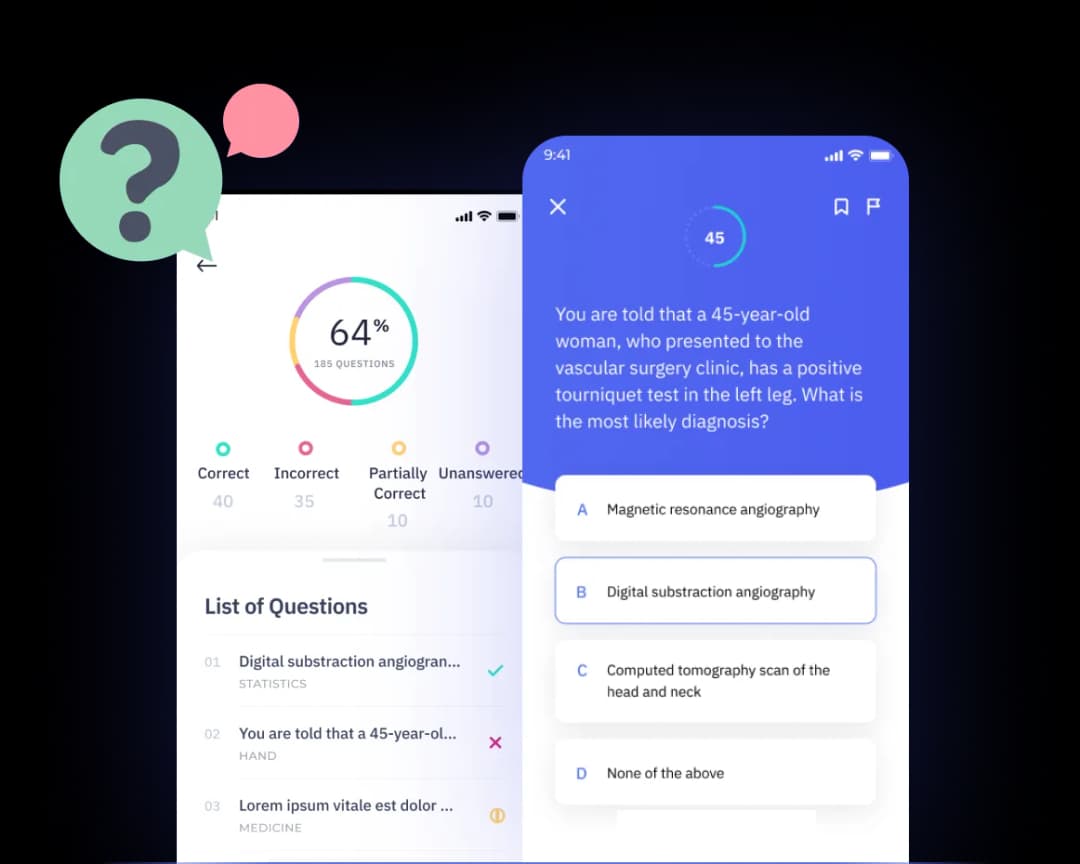
Shiken offers a solution to this challenge. Our AI-powered platform helps convert real sales conversations into interactive training content. With features like voice-enabled role-plays and analytics, we make it easier to spot key learning moments. This allows teams to focus on developing skills that matter.
By leveraging data from sales calls, Shiken helps organizations enhance their training methods. Reps not only learn theory but also develop skills through practice. This can boost performance and engagement levels significantly.
A strong sales team is built from understanding real interactions. Learning from actual sales conversations is a game-changer for effective training.
How to Turn Sales Calls Into Training: A Step-by-Step Guide
Transforming sales calls into effective training materials is a strategic process. Follow these steps to create valuable content from your sales discussions.
- Identify key takeaways from sales discussions. After each call, note the most important points. Look for common questions, objections, and successful tactics. These insights act as the foundation for your training materials.
- Utilize Shiken’s AI tools for content creation and personalization. With Shiken, you can cut content production time by up to 70%. This allows you to focus more on enhancing learning experiences. Personalize your training content based on the specific challenges customers face. Tailored content increases engagement and retention.
- Implement role-playing and coaching scenarios for experiential learning. Role-playing mimics real-life interactions and can boost confidence in your sales team. Shiken's AI role-playing scenarios give immediate feedback. This instant coaching helps team members improve skills quickly.
Gathering and Structuring Insights

After conducting calls, collect and review recordings or transcripts. Schedule weekly or monthly sessions to analyze the calls.
- Schedule regular review sessions to keep the learning process ongoing. Experts suggest making this a habit to ensure no valuable insights are lost (Source: "Sales call recording: a step-by-step guide").
- Share highlighted calls with the entire team. Select calls that showcase best practices or lessons learned. Discuss these in team meetings to foster a culture of continuous learning.
Creating Training Materials
- Create diverse training formats such as quizzes, courses, or scenarios. Different learners benefit from varied formats. Shiken makes it simple to generate interactive content that meets diverse learning needs.
- Use data and analytics to refine your approach. Shiken provides real-time feedback and skill-gap insights. Track progress and adapt your training materials accordingly.
By following these steps, you can effectively learn how to turn sales calls into training that builds skills and boosts performance. Every conversation has the potential to enhance the learning journey for your team. Remember, transforming calls into training is not just about data; it's about fostering a culture of growth and improvement.
Leveraging Technology for Training Development
Sales teams often struggle to extract valuable lessons from calls. They may miss key insights that can enhance future performance. This gap can hinder training development, making it hard to improve. Without the right tools, teams risk repeating mistakes and losing opportunities for growth.
Technology can solve these issues. AI plays a crucial role in analyzing sales calls. It can quickly sift through conversations, pinpointing successful tactics and common pitfalls. With AI, businesses learn how to turn sales calls into training effectively, transforming every call into a growth opportunity.
Voice-enabled interactions also enhance learning. They offer a more engaging way for trainees to practice their skills. Sales representatives can replay their calls, receiving real-time feedback through AI systems. This boosts learning and retention. For instance, tools that capture call recordings and summarize key points help teams reflect on performance (Source: Ringover). This allows them to adjust strategies quickly.
Real-time analytics are another game-changer. They provide continuous insights into team performance. By analyzing data from sales calls, organizations can identify skill gaps. This empowers managers to tailor coaching sessions to meet specific needs. Research shows that data-driven feedback significantly improves training outcomes (Source: Highspot).
In essence, leveraging technology transforms sales training from a traditional approach into a dynamic learning experience. With AI-driven tools and real-time analytics, organizations can unlock the full potential of their sales calls. Embracing these innovations allows teams to continuously refine their skills and improve performance.
Using technology is key to turning sales calls into effective training.
Creating Engaging Training Materials from Real-life Scenarios
TL;DR: Transforming real-life customer interactions into training materials makes learning relatable and engaging. Using storytelling and role play boosts learner engagement and retention.
Transforming customer interactions into relatable training content is key to effective learning. When sales teams can see real examples of conversations, they connect theory to practice. For instance, using recordings from actual calls allows trainees to analyze what works and what doesn’t (Source: Dialpad). This practical approach helps new team members understand the nuances of communication and build confidence.
Storytelling is one of the most effective tools in learning. When training uses stories from real-life scenarios, it captures attention and makes lessons memorable. For example, sharing successful case studies or challenging situations creates a narrative that learners can follow. This not only enhances understanding but also makes the training feel more relevant. Multi-step narratives can guide trainees through an entire sales journey, from the first call to closing the deal (Source: eLearning Industry).
Boosting Engagement through Role Plays
Incorporating realistic role plays into training is a powerful way to maximize learner engagement. By simulating customer interactions, sales reps can practice their responses and strategies. This approach encourages active participation, allowing team members to step into the shoes of both the salesperson and the customer. According to research, role-play scenarios that mimic real customer interactions lead to better retention of skills and improved performance (Source: Highspot).
Using AI technology can speed up the creation of these role plays and enrich the learning experience. Shiken.ai allows trainers to develop personalized scenarios efficiently, resulting in training content that feels real and impactful (Source: Articulate).
By blending real-life scenarios, storytelling, and interactive role plays, companies can effectively turn sales calls into training that enhances skills and builds confidence. The result is a more knowledgeable and effective sales team.
Evaluating the Impact of Training Derived from Sales Calls
What are the key metrics to assess performance improvements? To measure the impact of training from sales calls, focus on specific metrics. Common metrics include:
- Closing Ratios: This measures the percentage of deals closed after training. An increase here indicates effective training.
- Sales Cycle Length: A reduced sales cycle shows that sales staff are applying new skills efficiently.
- Customer Satisfaction Scores: Positive feedback from customers reflects the effectiveness of call training.
- Revenue Growth: Measuring sales before and after training reveals the financial impact of the training program.
Tracking these metrics regularly helps gauge success and areas needing improvement.
Why use Shiken's analytics for skill-gap insights? Shiken's platform offers real-time analytics that pinpoint skill gaps in your team. For instance, if your sales team struggles with objection handling, real-time insights from sales calls can highlight this area.
Using Shiken, you can track performance data over time. If a specific training module leads to a 20% increase in closing rates, it signifies that this content resonates well with your team. This insight allows you to focus on strategies that work.
How to create feedback loops for continuous content refinement? Implement feedback loops to refine training content continuously. After each training session, gather feedback from participants. Questions to consider include:
- What did you find helpful?
- Which parts were confusing?
- How can we improve the material?
Integrating feedback from both trainers and trainees helps keep your training relevant. For example, if most responses indicate difficulty with product knowledge, you can revise your training materials accordingly.
Continuous evaluation creates a cycle of improvement. Keeping content fresh and relevant is essential for ongoing success, making it easy to discover how to turn sales calls into training that truly benefits your team.
Clear takeaway: Regular evaluation combined with data insights ensures your training evolves and effectively enhances sales performance.
Alternatives to Traditional Sales Training Methods
Sales training often relies on traditional techniques like in-person workshops and static online courses. These methods have been used for years, but they aren’t always effective. Below, we explore how conventional methods stack up against innovative approaches like Shiken's AI-powered platform.
Bottom Line: Traditional methods may be familiar, but they often lack the flexibility and engagement of AI-powered platforms.
Conventional Methods
Traditional sales training techniques, like workshops and role-playing, offer face-to-face engagement. In-person training allows for immediate feedback and team bonding. However, these methods can be time-consuming and may not cater to varied learning styles. This can lead to disengagement as sales reps often feel that they are repeating the same scenarios.
Online courses provide flexibility but typically lack the real-time interaction that many learners thrive on. Static learning experiences can become monotonous quickly, lowering retention and application of the material. While role-playing helps simulate real-life sales conversations, it can create pressure and discomfort for participants.
Innovative Approaches
On the other hand, AI-powered training methods, such as those provided by Shiken, revolutionize how sales training occurs. By using technology, teams can create dynamic, interactive content that personalizes the learning experience. Shiken’s platform offers features like voice-powered role-playing and instant feedback, enabling reps to practice in a safe environment.
These innovative solutions reduce content production time by up to 70%, allowing for quicker updates and learning adaptations. With real-time analytics, organizations can track employee progress and identify skill gaps precisely. This approach is not only more engaging but also more effective in cultivating the necessary skills for successful sales calls.
Sales training is evolving. By embracing AI-driven methods, organizations can better prepare their teams for success. Remember, the key to effective learning is not just how to turn sales calls into training, but how to transform that training into improved performance.
What are the Best Practices for Integrating Sales Calls into Training?
Transforming sales calls into effective training can boost performance. Here are some best practices to help you integrate this process smoothly.
- Utilize Recorded Calls for Ongoing Training: Recorded sales calls provide real-world examples. Using these in training can enhance learning and retention. Studies show that coaching grounded in real call recordings can boost productivity by up to 88% (Source: Ringover).
- Encourage Team Collaboration: Create opportunities for team members to discuss insights from sales calls. Regular team discussions foster an environment where everyone learns from each other’s experiences. This also builds stronger team bonds.
- Adopt a Continuous Learning Culture: Promote an attitude of ongoing improvement and adaptation. When employees see that learning is valued and encouraged, they're more likely to engage in training. Implementing real-time feedback from calls supports this culture.
- Incorporate Role-Playing Scenarios: Role-playing can help sales reps practice what they’ve learned from calls. These scenarios prepare them for real conversations. Make role-plays a part of regular training sessions.
- Leverage AI for Targeted Skill Development: Use AI tools to identify skill gaps in your sales team. These insights can help create personalized training plans. AI-driven content can save time on producing training materials by up to 70% (Source: Shiken).
- Track Progress With Analytics: Make use of analytics to measure training results. Understanding how sales reps progress after training can provide valuable insights. Tracking this progress can help determine if adjustments are needed in training strategies.
- Celebrate Small Wins: Recognizing achievements, even minor ones, encourages a positive training atmosphere. Celebrating successes can motivate team members to continue striving for improvement.
Transforming how to turn sales calls into training can foster a learning environment that supports team growth and performance.
Frequently Asked Questions
How can I identify key training moments in sales calls?
You can spot key training moments by listening for specific themes in sales calls. Look for topics where sales reps struggle or excel. Pay attention to open-ended questions that lead to meaningful conversations (Source: Ultimate Guide). These moments can serve as powerful examples for training content. Recording calls and reviewing them with the team can reveal insights that improve future sales strategies.
What tools does Shiken offer for transforming sales calls into training?
Shiken provides an all-in-one platform that simplifies the process of turning sales calls into training. With AI-driven content creation, you can develop quizzes and role-plays based on real calls. It also offers analytics and coaching features, helping you measure the impact of training. This integration allows teams to engage with content in an interactive way, boosting knowledge retention and ensuring that learning is relevant.
What are the expected outcomes from integrating sales calls into training?
Integrating sales calls into training can lead to improved sales performance and higher conversion rates. By utilizing real-life scenarios, team members enhance their skills and gain confidence. Moreover, teams that learn from actual interactions tend to understand customer needs better, resulting in stronger relationships. Ultimately, the goal is to see measurable improvements in individual and team results.
How can sales teams collaborate to enhance training content?
Sales teams can collaborate by sharing notes and insights from calls in a common platform like Shiken. Creating a feedback loop encourages team members to suggest improvements for training materials. Regular brainstorming sessions can identify gaps in knowledge, ensuring that everyone contributes to a comprehensive training resource. This collaborative approach creates ownership and better engagement among team members.
What metrics should I track to measure the success of the training?
Key metrics include sales performance, conversion rates, and time spent on training. Analyzing data on job role-specific skills can also provide insights into areas needing improvement. Engagement metrics, such as quiz scores and participation rates, can help assess if the training is resonating. Tracking these metrics will guide adjustments and show the direct impact of how to turn sales calls into training.
Can Shiken accommodate large teams needing training from multiple calls?
Absolutely! Shiken is designed to support large teams by allowing multiple users to access and interact with training content simultaneously. The platform’s scalability ensures that training material can be developed and updated efficiently, accommodating the unique needs of any size team. This flexibility makes it an excellent choice for organizations with diverse sales call experiences.
How often should training materials be updated?
Training materials should be updated regularly based on the frequency of sales calls and the evolution of products or services. A general rule is to review materials every 6–12 months, or after significant shifts in market conditions. Continuous updates keep the training relevant and aligned with current challenges sales teams face.
What is the best way to gather feedback on training effectiveness?
Conducting surveys after training sessions is an effective way to gather feedback. Ask specific questions about the relevance of the content and its applicability to day-to-day tasks. Regular check-ins with team members can also provide insights on how well training translates into real sales situations. Feedback is crucial for making ongoing improvements.
In summary, effectively turning sales calls into training requires identifying key moments, leveraging the right tools, and collaborating as a team. This approach leads to greater engagement, improved performance, and ongoing success.